




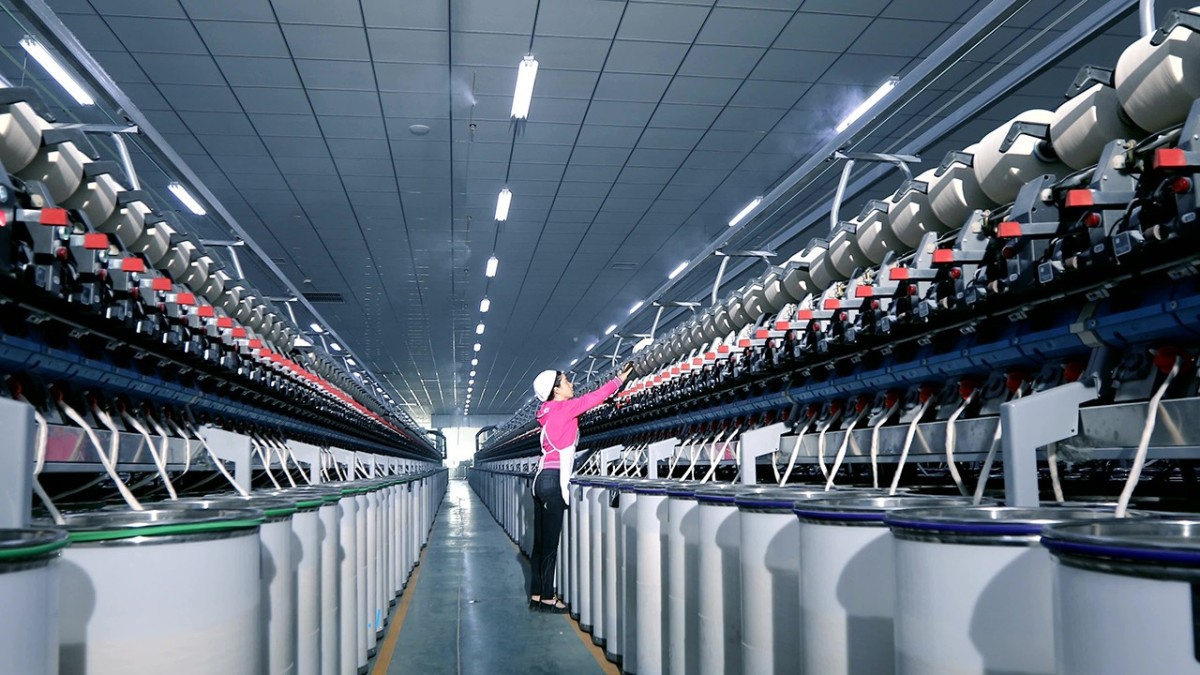
You can control yarn tension and speed well with VFDs like Canroon solutions. These systems let you change machines for different yarn types. They help lower energy use and cut down on material waste. For example, changing motor speed with a VFD for textile can use almost half the power. This saves more than 3.5 million kWh of energy each year. You also get products that are more consistent and have less waste than fixed-speed or manual setups.
Key Takeaways
VFDs help control yarn tension and speed very well. This means there are fewer mistakes and the products are better. Using VFDs can use up to 50% less energy. This helps textile companies save a lot of money. VFDs let machines change speed smoothly. It is easy to switch between yarn types and special orders. VFDs can lower yarn breakage by 40%. This means less material is wasted and work gets done faster. Keeping VFDs in good shape and training workers helps machines last longer and work better.
VFD for Textile: Core Functions
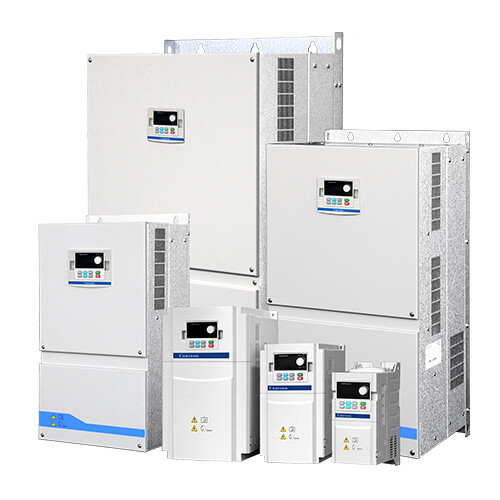
Motor Speed and Torque Control
A vfd for textile machines helps you change speed and torque very accurately. This technology changes how much power goes to the motors. You can make machines run faster or slower as needed. This is useful for spinning, weaving, dyeing, winding, and calendering.
You can set the motor speed for each job.
You keep yarn tension steady, so you get fewer mistakes.
You can start and stop machines slowly, which keeps them safe and lowers repairs.
You can move yarn or fabric at the same speed, which makes better products.
Variable frequency drives also help you control torque. This lets you keep the right force on yarn or fabric, even if things change. You can set rules and use feedback to change things right away. This makes your system work better and saves energy. Your machines also last longer because they are not stressed.
Stepless Speed Regulation
A vfd for textile lets you change speed smoothly. You do not have to jump from one speed to another. This helps you switch between yarn types or fabric styles easily. You can fill custom orders and small batches with no problem.
Variable frequency speed control helps you react fast to new needs. You can keep up with what customers want. You also get exact speed control, so your products are always good.
Closed-Loop Tension Control
A vfd for textile can set up closed-loop tension control. This uses sensors to check yarn tension and send information to the controller. The controller changes the motor to keep tension the same.
A closed-loop system uses feedback from tension sensors to measure yarn tension and send that value to the tension controller.
With variable frequency speed control, tension changes stay very small—less than ±3%. This stops wrinkles and uneven spots in fabric. You get smooth yarn rolls. You can use bigger rolls, so you stop less and make more. Fast torque response (less than 10 milliseconds) means you do not waste time when changing speeds. You save energy and money because the system only uses what it needs. Machines last longer because they run smoothly.
Variable frequency drives work with other digital systems like PLCs and HMIs. You can make custom controls and watch your machines live. This makes your production line work better and more reliably.
To get the best from your vfd for textile, clean and check it often. Dust and fibers can build up in factories, so look at your equipment a lot. Train your workers so they use the system safely and fix problems fast.
Benefits of VFDs in Textile Production
Improved Yarn Quality and Consistency
VFDs help make yarn better and more even. They let you control speed and tension very well. This means you get fewer mistakes and the yarn looks the same. If you keep the speed steady, you stop weak spots or bad twists. Keeping tension steady stops the yarn from stretching or breaking.
Here is how VFDs help you get better yarn:
You also see good changes when you upgrade your machines:
Reduced Breakage and Material Waste
VFDs help stop yarn from breaking and wasting material. When you control speed and tension, you stop sharp pulls that break yarn. In one factory, VFDs cut yarn breaks by 40%. You also throw away less yarn because it does not get damaged.
VFDs help at every step:
You waste less fabric because VFDs let you change machines for each job. You can start and stop slowly, so yarn does not snap. This can lower waste by up to 15%. You get better fabric and waste less because machines run at the best speed.
VFDs let you change settings during stentering, so you work with all fabric types and widths.
You stop fabric damage and waste less.
You get the best from your machines and make more fabric.
Energy Savings and Cost Reduction
VFDs help you save energy and spend less money. When you set the motor speed right, you do not waste power. Sometimes, you can cut power bills by almost 25%. The money you spend on VFDs comes back in less than eight months.
Canroon’s VFDs use smart controls to save energy. You get soft starts and stops, which protect machines and save power. You also pay less to fix machines because they last longer.
Tip: Using VFDs helps you make more fabric and save money. You also help the planet by using less energy.
VFDs give you better control, better yarn, less waste, and big savings. These things make your textile factory work better and more smoothly.
Applications and Case Studies
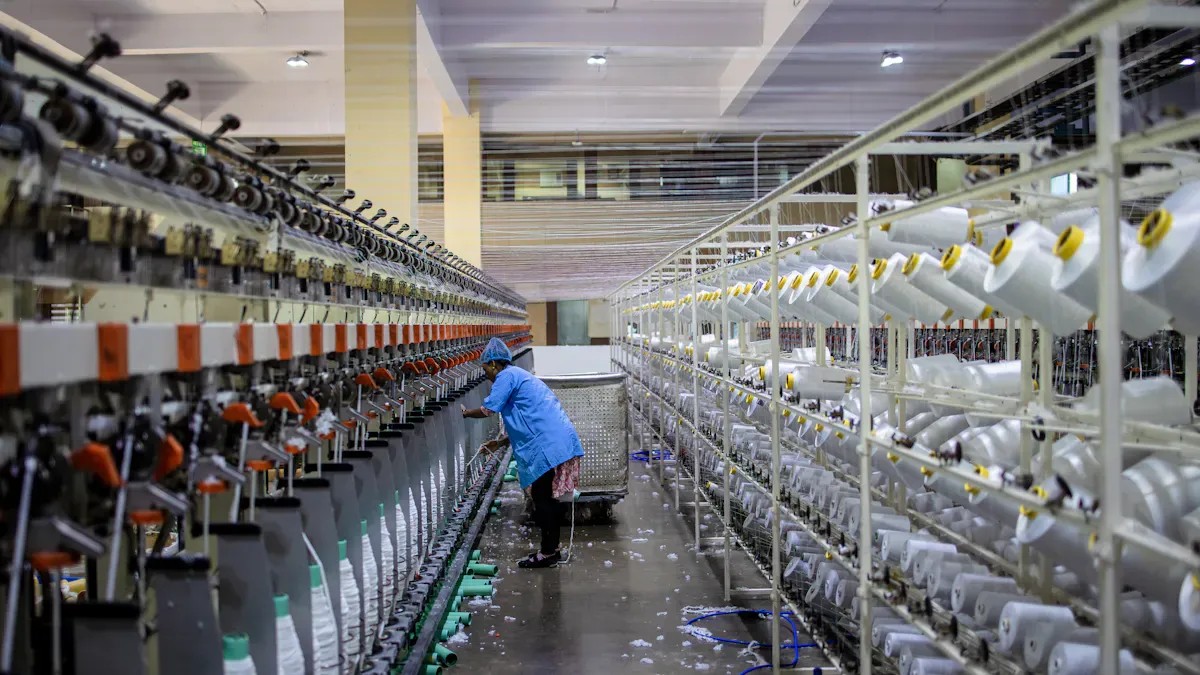
Spinning and Winding Optimization
You can make spinning and winding better with vfds. These drives let you control motor speed and torque very well. This helps keep yarn tension steady and stops mistakes. You can change winding settings for each job without changing the whole machine. Using vfds also means machines do not wear out as fast, so you fix them less and they last longer. You can connect vfds to new control systems and watch your machines in real time. This makes your work faster and helps you keep good quality.
VFDs help yarn stay the same because motors run smooth.
You use less energy by matching motor speed to the job.
You can change settings fast for new orders.
You spend less money fixing machines because they last longer.
Weaving and Dyeing Process Control
VFDs can make weaving and dyeing more stable. These drives keep speed steady when you put in weft and beat the fabric. This stops fabric problems. In dyeing, vfds help dye stick the same all over and keep fabric tension even. This gives you better products and more good pieces. You can set vfds for different machines, so you have more choices.
You can use vfds to control speed, tension, and heat in dyeing. This keeps fabric tension right and stops it from getting bent. You get even color and dye that stays bright.
Real-World Results with Canroon VFDs
Many factories use Canroon vfds to make textiles better. In one spinning mill, yarn breaks went down by 40% after using these drives. Power bills also dropped by up to 25% because vfds save energy. Lots of factories say they stop less and make more. You can switch jobs faster and waste less yarn. These results show vfds help save energy and make every step work better.
Tip: VFDs make your machines work better and save you money. They help your machines last longer and keep your products good.
You can keep yarn tension and speed steady with VFDs like Canroon’s. These drives let you control speed very exactly and make torque smooth. You will have less machine stops and better work because VFDs save energy and stop machines from wearing out fast. When you use VFD-based systems, you get many good things:
VFDs help you waste less and are better for the environment. Your factory can do better and be more green.
FAQ
What is a VFD and how does it help you control yarn tension?
A VFD lets you change how fast the motor goes. It also lets you change how strong the motor pulls. You can control yarn tension at each step. This keeps yarn strong and even. You get fewer breaks and better results.
How does constant tension control improve textile quality?
Constant tension control keeps yarn tight and steady. This stops weak spots and uneven fabric. You see fewer mistakes in finished products. This helps you meet high standards in textile making.
Can you upgrade old textile machinery with VFDs?
Yes, you can upgrade old textile machines with VFDs. You add a new control system for better speed and tension. This makes machines work better and saves energy.
What role does automation play in upgrading textile manufacturing?
Automation lets you set machine settings fast. You use sensors and a control system to keep things right. This makes upgrading textile factories easier and more reliable.
Why should you choose VFDs for high efficiency in textile production?
You should pick VFDs because they give high efficiency. You control speed and tension for every job. You save energy and waste less. Your factory works better and costs go down.
Sign up for updates