




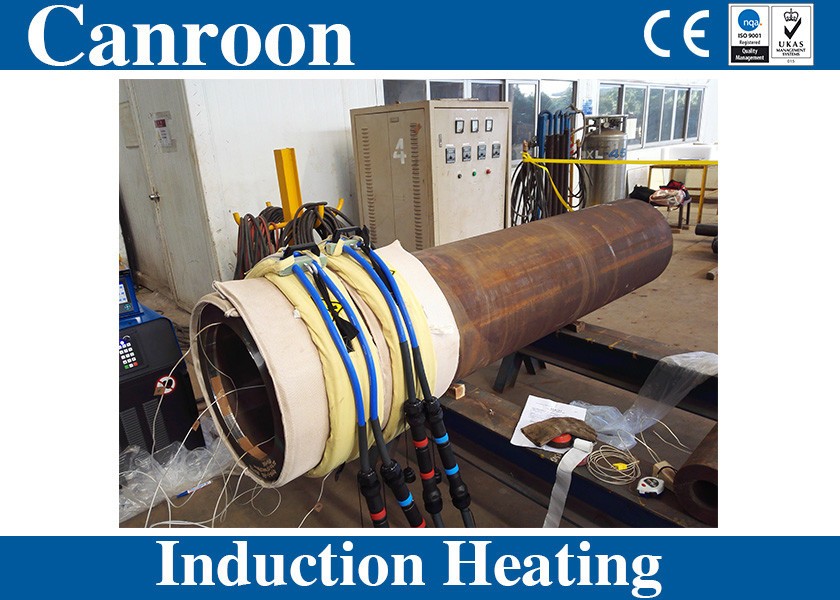
Here are the top 10 PWHT machines you should know for industrial jobs:
Canroon CR2000 Series
Canroon CR2100 Portable
Miller ProHeat 35
Stork Cooperheat Multi-Channel
Inductotherm Induction PWHT
Thermatool PWHT System
Heatmasters HM406T
Red-D-Arc Induction System
EFD Induction Minac
Heat Master 70
You need a PWHT machine to make welds strong and safe. Different heating methods, like resistance and induction, help you control heat and cooling. This control stops cracks and stress in welded joints. New machines use smart power consoles to keep the temperature steady. They also help meet rules like ASME B31.3. As industries grow, you will see more portable and advanced machines. These machines help people work faster and better.
Key Takeaways
PWHT machines are important for making welds strong and safe. They control heat and cooling so cracks do not form.
Different materials need certain temperature ranges for good post-weld heat treatment. Always check what material you have before you start.
Using a PWHT machine helps you follow safety rules in your industry. This lowers the chance of weld problems and makes things work better.
When you pick a PWHT machine, think about what your project needs. Also think about your budget and the machine’s features to make sure it is right for you.
Good help from the company, like training and spare parts, is important. This keeps your PWHT machine working well.
PWHT Machine Basics
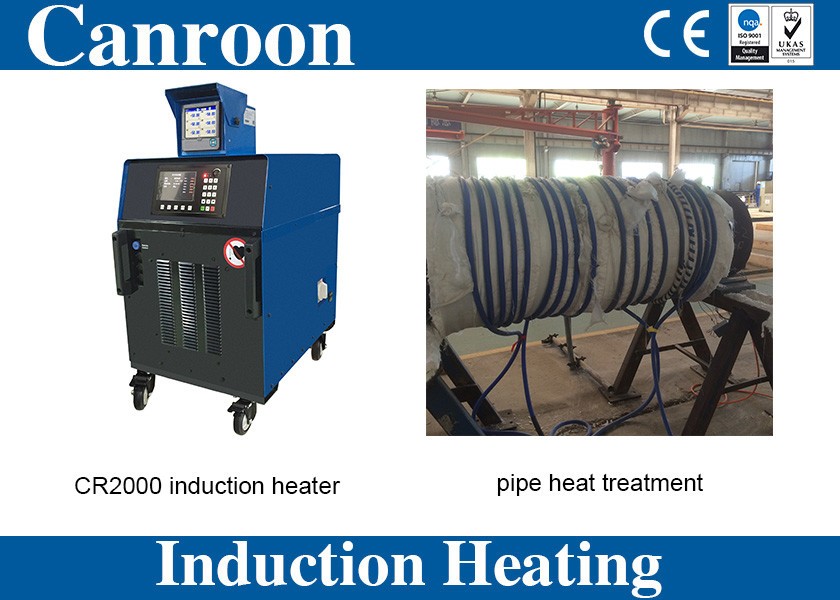
What Is a PWHT Machine?
You might wonder what a PWHT machine does. This equipment helps you heat welded parts in a controlled way after welding. The main goal is to make your welds stronger and safer. A PWHT machine follows a few important steps to get the job done right:
Pre-cleaning: You remove dirt and oil from the surface.
Controlled Heating: The machine heats the part slowly to avoid cracks.
Soaking: You keep the part at a set temperature for a certain time.
Controlled Cooling: The machine cools the part down at a steady rate.
You can see that different materials need different temperatures. Here’s a quick look:
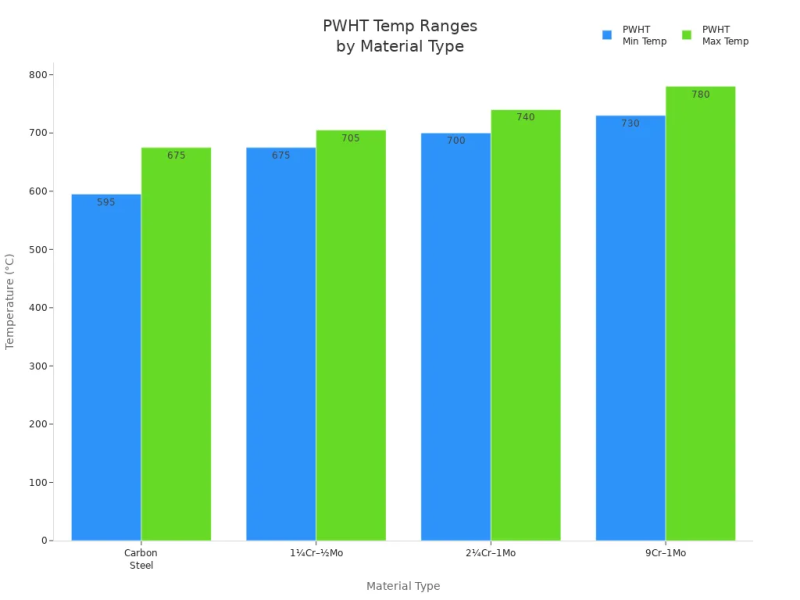
A PWHT machine gives you the control you need for each step. You can adjust the process for different jobs and materials.
Why PWHT Is Essential in Industry
You need post weld heat treatment for many reasons. It helps you:
Relieve stress left over from welding.
Lower hardness and stop brittle breaks.
Make welds tougher and less likely to crack.
Improve the structure of the metal near the weld.
Boost resistance to rust and corrosion.
Many industries require you to use a PWHT machine to meet safety codes. Here’s how some industries use it:
Tip: Using a PWHT machine helps you pass inspections and avoid costly repairs.
If you want your welds to last and meet industry rules, you can’t skip this step.
Top 10 PWHT Machines for 2025
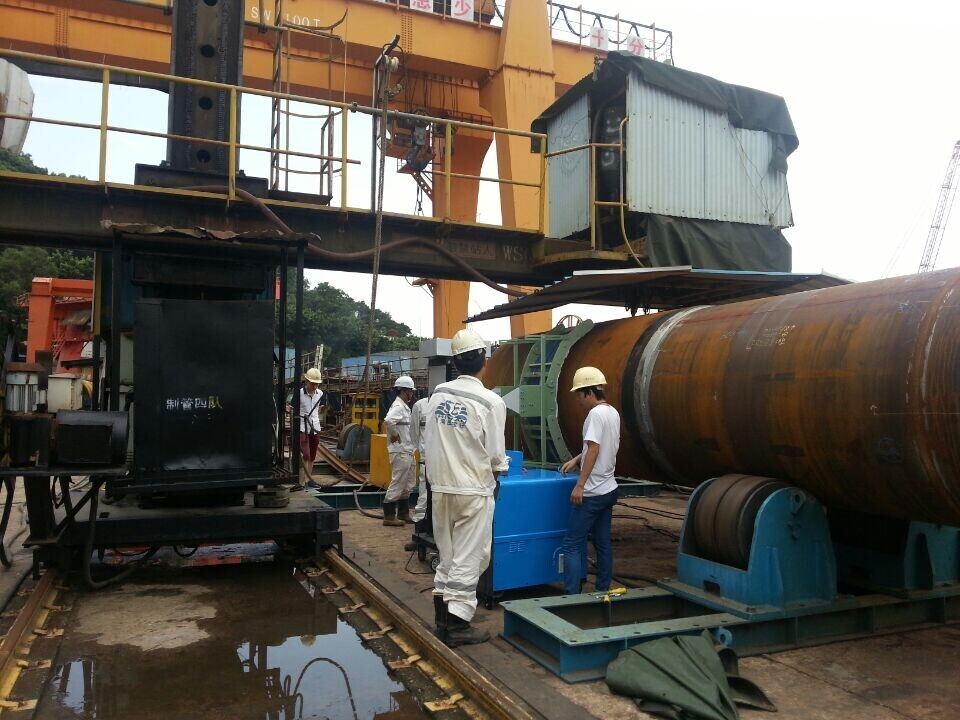
Canroon CR2000 Series
You want a PWHT machine that is strong and accurate. The Canroon CR2000 Series is known for its advanced features and reliability. You can pick the CR2000-080 or CR2000-120 model based on your power needs. Here are the specs:
You get real-time monitoring and different control modes. The machine keeps track of faults for safety. It uses a modular design, so maintenance is easy. Self-diagnosis helps you find problems fast. The machine is very energy efficient, up to 90%. The CR2000 Series heats welds evenly, so they stay consistent.
Pros:
Precise temperature control
High energy efficiency
Easy to maintain
Cons:
Heavier than some portable models
Typical Applications:
You can use this PWHT machine in oil & gas, power generation, and shipbuilding. It works well for tough jobs and meets strict standards.
User Feedback:
Abdulmalik Nasiru got his item on time and wants to buy more.
Ahmed likes the quality and price and praises the service.
Karim has used the induction heater for over five years and says it is reliable.
Tip: If you need a reliable and efficient PWHT machine for hard jobs, the CR2000 Series is a smart pick.
Canroon CR2100 Portable
You need a machine that is easy to move. The Canroon CR2100 Portable is lighter and simple to carry. You can set it up fast for repairs or small jobs.
Key Features:
Compact and portable design
Fast setup and teardown
Digital temperature control
Safety alarms for overheating
Pros:
Easy to transport
Simple controls
Good for tight spaces
Cons:
Lower power output than bigger units
Typical Applications:
You can use this PWHT machine for pipeline repairs, small vessels, and maintenance work. It is good for jobs where you move equipment often.
User Feedback:
Users like how easy it is to carry. They say it saves time during setup. Many think it is perfect for field jobs.
Miller ProHeat 35
You want a machine that is reliable. The Miller ProHeat 35 uses induction heating for fast and even results. You can program temperature cycles and watch the process with simple controls.
Key Features:
Induction heating technology
Programmable temperature profiles
Touchscreen controls
Multiple coil options
Pros:
Fast heating
Consistent results
User-friendly interface
Cons:
Higher initial cost
Typical Applications:
You will see this PWHT machine in oil & gas, shipbuilding, and heavy equipment repair. It is great for preheating and post-weld heat treatment.
User Feedback:
Users say it is dependable and helps them finish jobs faster. Many like the touchscreen controls.
Stork Cooperheat Multi-Channel
You need to treat many welds at the same time. The Stork Cooperheat Multi-Channel lets you do this. You can control up to 12 channels separately, which saves time on big projects.
Key Features:
Multi-channel control (up to 12)
Digital temperature recording
Remote monitoring
Built-in safety features
Pros:
Handles multiple jobs at once
Accurate temperature control
Good for large-scale projects
Cons:
Takes up more space
Typical Applications:
You will find this PWHT machine in fabrication shops, refineries, and power plants. It is perfect for batch processing.
User Feedback:
Users like the time savings. They say it helps them meet tight deadlines.
Inductotherm Induction PWHT
You want a machine that works well in tough industries. The Inductotherm Induction PWHT system gives you precise control and high efficiency. You can use it for pipelines, chemical plants, and power stations.
Key Features:
Advanced induction heating
Programmable temperature settings
High energy efficiency
Pros:
Fast and uniform heating
Good for critical applications
Cons:
Needs skilled operators
Typical Applications:
You can use this PWHT machine for oil & gas, chemical processing, and power generation. It helps you meet strict safety and quality standards.
Thermatool PWHT System
You want a system made for heavy-duty work. The Thermatool PWHT System uses advanced controls for steady results. You can trust it for big welding projects.
Key Features:
High-power output
Automated process controls
Data logging for compliance
Pros:
Handles large jobs
Reliable performance
Cons:
Not as portable
Typical Applications:
You will see this PWHT machine in pipeline construction, shipbuilding, and pressure vessel manufacturing.
User Feedback:
Users say it is strong and helps them meet industry codes.
Heatmasters HM406T
You want a machine that is easy to use but powerful. The Heatmasters HM406T has digital controls and a tough build. You can set up heat cycles quickly and monitor everything from one panel.
Key Features:
Digital temperature control
Modular design
Overheat protection
Pros:
Simple operation
Durable construction
Cons:
Limited to mid-sized jobs
Typical Applications:
You can use this PWHT machine in workshops, repair shops, and small manufacturing plants.
User Feedback:
Users like the easy controls. They say it is reliable for daily use.
Red-D-Arc Induction System
You want flexibility and low maintenance. The Red-D-Arc Induction System lets you change controls for different jobs. You can work with human-machine collaboration, which boosts efficiency. The design means you spend less time on maintenance.
Key Features:
Customizable control systems
Human-machine interface
Low maintenance needs
Pros:
Adapts to many applications
Reduces downtime
Cons:
Requires training for advanced features
Typical Applications:
You will find this PWHT machine in fabrication, shipbuilding, and power generation.
User Feedback:
Users say it is flexible and easy to maintain.
EFD Induction Minac
You want a machine that is fast and safe. The EFD Induction Minac gives you quick heating and precise temperature control. You can use it for many materials, like automotive parts and aerospace components.
Pros:
Fast and efficient
Safe for operators
Works with many materials
Cons:
Higher upfront investment
Typical Applications:
You can use this PWHT machine in automotive, aerospace, and general manufacturing.
User Feedback:
Users like the speed and safety features.
Heat Master 70
You want a machine that works well for daily jobs. The Heat Master 70 offers reliable resistance heating and simple controls. You can set it up quickly and trust it for routine PWHT work.
Key Features:
Resistance heating
Simple interface
Portable design
Pros:
Easy to use
Good for small to medium jobs
Cons:
Not for heavy-duty applications
Typical Applications:
You will find this PWHT machine in maintenance shops, small fabrication, and repair work.
User Feedback:
Users say it is dependable and easy to operate.
Note: PWHT machines are important in oil & gas, power generation, and shipbuilding. They help make welds stronger and last longer. Your projects will meet safety standards and stay durable.
PWHT Machine Comparison
Performance & Efficiency
When you compare machines, you want to know how well they work and how much energy they use. You should look at things like insulation, power supply, and how evenly the machine heats your welds. Here’s a quick table to help you see what matters most:
You want a PWHT machine that gives you steady results and saves power.
Usability & Flexibility
You need a machine that is easy to use and fits many jobs. Some machines have touchscreens and simple menus. Others let you control many welds at once. Portable models help you move fast on site. You can pick machines that work for stress relieving, preheat, postweld, interpass, or annealing. This makes your work smoother and faster.
Cost & Value
You want the best value for your money. Some machines cost more at first but save you money later because they use less energy and last longer. Portable units are cheaper but may not handle big jobs. Think about what you need now and what you might need later. A smart buy helps you finish projects on time and on budget.
Brand Support & Service
You want help when you need it. Top brands offer service agreements that keep your machine running and cut downtime. Some companies let you rent equipment, so you can try before you buy or handle extra work. Good support means you can trust your machine to work when you need it most.
Tip: Always check if the brand offers training, fast repairs, and easy access to spare parts.
How to Choose a PWHT Machine
Picking the right PWHT machine can seem hard. But you can make it easier by thinking about what you really need for your work.
Assessing Application Needs
First, think about your project. What welds do you need to treat? How big are the parts you will work on? Here are some important things to check:
Quality and reliability—choose a machine from a brand people trust and that gives good help.
Flexibility—find a supplier with different heating choices for many jobs.
Production capacity—make sure the machine can handle your work now and as you grow.
Technology and efficiency—look for smart features that save power and help you work better.
Tip: A machine that fits your needs now and can grow with your business will help you save time and money later.
Budget & Cost Factors
Your budget is important. Some machines cost more at first but save money later. Here’s a quick look at how prices compare:
If you need to spend less now, a contactors type may be best. If you want more features and longer use, solid-state machines are a good choice.
Operational Requirements
Before you buy, check if the machine fits your daily needs. Here are some things to think about:
After-Sales Support (Canroon)
Getting help after you buy is very important. Canroon is known for good support:
Note: Good after-sales support means you get help fast, keep your machine working, and avoid losing time and money.
You’ve seen the top 10 PWHT machines and what makes each one stand out. When you match a machine’s features to your project, you boost safety and meet industry rules. Here’s why that matters:
You follow important codes like ASME and API.
You lower the risk of weld failures.
You improve safety and performance.
If you want a reliable choice, Canroon offers strong support and smart technology. Ready to take the next step? Think about your budget, your production needs, and the materials you use. Talk with a PWHT expert or supplier to find your best fit.
FAQ
What does PWHT stand for?
PWHT stands for Post Weld Heat Treatment. You use it to heat welded parts after welding. This process makes your welds stronger and helps prevent cracks.
How do you choose the right PWHT machine?
You should look at your project size, material type, and budget. Ask yourself what features you need. Talk to a supplier if you feel unsure.
Can you use one PWHT machine for all metals?
No, you can’t. Different metals need different temperatures and heating methods. Always check your machine’s specs before you start.
Is PWHT required for every weld?
Not every weld needs PWHT. You must follow industry codes and project requirements. If you work with pressure vessels or pipelines, you usually need it.
Previous:
Next:
Sign up for updates