




You will get better results when you use variable frequency drives with rotary screw compressors. Canroon’s experience shows that variable speed drives help you match the air output to what you need. This saves energy and lowers costs. When you think about vfd for compressor choice, you should look at efficiency, energy savings, maintenance, and if it fits your needs. The table below shows the main features of both types of compressors:
You need to pick the right variable frequency drives for your compressor to get the best results.
Key Takeaways
Screw compressors with VFDs use less energy. They change motor speed to match how much air is needed. This helps lower costs.
Reciprocating compressors need more repairs. They do not work as well for long use as screw compressors.
Picking the right VFD for your compressor can cut down energy use. It also lowers how much fixing is needed.
Screw compressors are best for places that need steady air flow. Reciprocating compressors are better for jobs that only need air sometimes.
Always use inverter duty motors with VFDs. This stops early breakdowns and keeps things working well.
VFD for Compressor: Which Type Performs Best?
Key Differences at a Glance
It is important to know how screw and reciprocating compressors are different when using a vfd for compressor jobs. Screw compressors work well with variable frequency drives. They can change motor speed right away. This helps save energy when you do not need much air. Reciprocating compressors do not change speed as easily. They use more energy for each unit of air, especially if they run for a long time.
Here is a quick comparison:
Screw compressors with VFDs can match air output to what you need. This cuts down wasted energy and lowers costs. Reciprocating compressors often run at full speed or turn on and off. This wastes more energy.
Experts say these things:
Screw compressors use variable speed drives to save energy by matching output to demand.
Reciprocating compressors need more maintenance and are less efficient if used all the time.
VFD controls change motor and airend speed, so flow matches power at part load.
The main control for VFD is pressure. It works like cruise control in a car and keeps pressure steady.
Why the Right Choice Matters
You need to pick the right vfd for compressor to get the best results. Your choice affects how much energy you use, how often you need maintenance, and how well your compressor works for you. Screw compressors with VFDs can use less energy by matching output to what you need. This means lower costs and longer times between service.
Think about these points:
Energy efficiency: Screw compressors with VFDs use less energy and cost less.
Operational characteristics: Screw compressors can work well with different air needs because of a wide turndown ratio.
Maintenance requirements: Screw compressors need less service and have less downtime.
Air flow (CFM): You must know how much air your job needs.
Duty cycle: Pick a compressor that can handle your workload.
Specific energy requirement (SER): This shows how much energy you need to make compressed air.
Turndown ratio: A wide ratio lets your compressor handle changing needs without losing performance.
Industry standards show VFDs let compressors run at different speeds. This matches air demand and saves energy. Special inverters and sensors help you watch and control your system for the best results.
If you want a compressor that saves energy, needs less maintenance, and works for many jobs, screw compressors with VFDs are usually best. Reciprocating compressors with VFDs may be good for jobs with short duty cycles or where you only need air sometimes. Your choice depends on how much air you need, your workload, and how much maintenance you can do.
Tip: Always use inverter duty motors with VFDs. This helps stop early failures and keeps your system working well.
VFD for Screw Compressors
Integration and Control
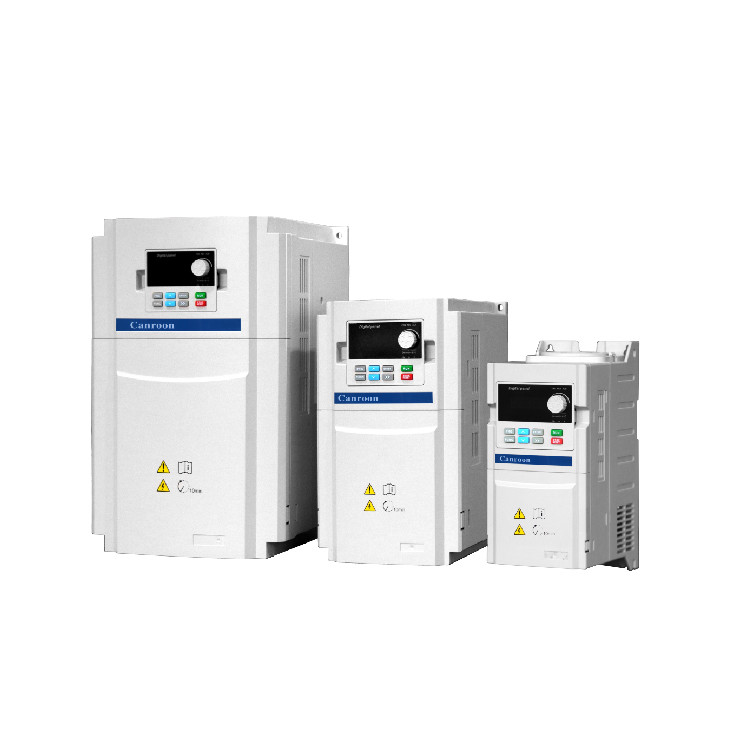
Adding a variable frequency drive can make rotary screw compressors work better. VFDs let you change motor speed to match how much air you need right now. This helps you save energy when your system does not need much air. You get steady pressure and smooth running. VFDs use special controls like sensorless vector control and PID control to keep pressure steady. These controls help your system stay stable and reliable.
Here is a table that shows the main technical needs for using VFDs with screw compressors:
Touchscreen panels make it easy to use your compressor. IoT lets you check your compressor from your phone or computer. Multi-compressor sequencing helps you control many units in one place. Data logging keeps track of energy use and problems. You can connect your system to building management systems for better control.
Efficiency and Energy Savings
Rotary screw compressors with VFDs are very efficient and save energy. You can use up to 35% less energy than fixed-speed models. VFDs change motor speed so you only use the energy you need. This makes your compressor work better and lowers your electricity bill. You should pick premium efficiency motors like IE4 or IE5 to save even more.
Here is a table that shows the benefits of VFDs for screw compressors:
VFDs help your compressor last longer. Soft start features lower mechanical stress. You get fewer start-stop cycles, so there is less wear and tear. Your compressor stays reliable and needs less maintenance. Canroon’s VFD solutions for rotary screw compressors use smart control systems. These systems make load and unload cycles better and stop short-cycling. You can also use waste heat for space or water heating.
Tip: VFDs help you keep system pressure steady and precise. This makes your process run smoothly and keeps your equipment safe.
VFD for Reciprocating Compressors
Integration and Control
You can use variable frequency drives to control reciprocating compressors, but there are some problems. Reciprocating compressors work in cycles and do not run as smoothly as screw compressors. When you add a VFD, you can change the motor speed. This helps match the air flow to what you need. You can use variable speed or load/unload control. Load/unload control, like 'Auto Dual', turns off the compressor if it is not working for a long time. This saves energy and helps the compressor work better.
You need to watch out for electrical and mechanical problems when using VFDs with reciprocating compressors:
Harmonic currents can hurt bearings and cause electrical sparks.
Shaft currents can build up, so you need motors made for VFDs and special shaft devices.
Mechanical stress gets worse at low speeds and can cause more wear.
Wrong VFD settings can make the compressor unstable or overloaded.
Tip: Always check your VFD settings and use motors made for VFDs. This helps stop damage and keeps your compressor working well.
Efficiency Challenges
Reciprocating compressors do not work as well with VFDs, especially if you use them all the time. These compressors are better for jobs where you turn them on and off, not for running nonstop. If you run them all the time, they lose efficiency. Heat builds up and parts wear out faster. You will need more repairs and maintenance.
Here is a table that shows the main problems:
You can still use reciprocating compressors with VFDs in some cases. They work well in refrigeration, especially when you need to start in tough situations, like after a power outage when it is hot. You need to think about the type of refrigerant and how many cylinders you have. Some refrigerants need more power to start. Rack-assisted starting helps by turning on fixed-speed compressors first, then the ones with VFDs.
Note: Reciprocating compressors with VFDs are best for jobs that only need air sometimes or have special starting needs. They are not as good for jobs that need air all the time.
Efficiency and Energy Savings Comparison
Energy Losses and Performance Over Time
Rotary screw compressors and reciprocating compressors with VFDs use energy differently. Rotary screw compressors can change their speed to match how much air you need. This helps save energy when you do not need full power. Reciprocating compressors usually run at the same speed. They waste energy when you do not need much air.
Here is a simple look at energy use:
A fixed-speed compressor used 876,000 kWh in one year. The cost was $96,360.
A VFD for compressor lowered energy use to 562,000 kWh. The cost dropped to $61,820.
You save $34,540 each year by using a VFD for compressor.
The payback time for the VFD upgrade was only 9.7 months, even though it cost $28,000 more.
Rotary screw compressors with VFDs work well over time. You save more energy if your average load factor is less than 70%. If your load factor is more than 85%, fixed-speed compressors may be cheaper to run. You should check your system’s load factor before you decide.
Rotary screw compressors also help the planet. VFD-controlled compressors use less energy, so they make less pollution. You help your company follow environmental rules and reach green goals.
Here is a table that shows the environmental impact:
Rotary screw compressors with VFDs make fewer greenhouse gases. This helps your company meet green targets.
Maintenance and Cost Factors
You need to think about maintenance and cost when picking compressors. Rotary screw compressors have a simple design. They use fewer moving parts. This means less maintenance and less downtime. You spend less money on repairs.
Reciprocating compressors have a more complex design. They use pistons, valves, and other parts that wear out faster. You need to do maintenance more often. This costs more and interrupts your work.
Rotary screw compressors need less maintenance over time. You get fewer interruptions and lower maintenance costs. Reciprocating compressors need regular care because of their piston-cylinder design. This raises your maintenance costs.
Reciprocating compressors are bigger and need more maintenance. Rotary screw compressors are made for efficiency and less maintenance. You save money and keep your system running longer.
Here is a list of cost factors to think about:
Service intervals: Rotary screw compressors need service every 2,000–4,000 hours. Reciprocating compressors need service every 500–1,000 hours.
Downtime: Rotary screw compressors have less downtime. Reciprocating compressors stop more often for repairs.
Parts replacement: You replace fewer parts in rotary screw compressors. Reciprocating compressors need more parts replaced.
Cost of ownership: Rotary screw compressors cost less to own because they are efficient and need less maintenance.
Tip: You can save money by picking rotary screw compressors with VFDs. You get better energy efficiency, fewer repairs, and longer equipment life.
You need to look at your workload, air needs, and maintenance budget. Rotary screw compressors with VFDs give you strong performance, high energy efficiency, and lower costs. Reciprocating compressors may work for jobs with short duty cycles, but you pay more for maintenance and energy.
Application Suitability
Best Uses for Screw Compressors with VFDs
Screw compressors with variable frequency drives help you save energy and money. They work best where you need lots of air all the time and less maintenance. Many industries use rotary screw compressors because they give steady air flow and waste less energy.
Automotive industry: Screw compressors help with paint spraying and assembly lines. They keep air pressure and flow steady.
Manufacturing sector: Pneumatic tools and machines run well with screw compressors. You use less energy and spend less money.
HVAC systems: Screw compressors help with cooling and ventilation. They keep temperature and humidity steady.
Construction industry: Pneumatic tools need different amounts of air. Screw compressors change output and work efficiently.
Food and beverage industry: Packaging and bottling need clean and exact air. Screw compressors work reliably.
You should check how much air you need and how much it costs over time. A 20-year cost check helps you pick the best compressor. Screw compressors with VFDs need less maintenance and work efficiently. You get steady operation and lower energy bills.
Picking the right variable frequency drive is more than matching horsepower. You must balance motor data, load type, environment, and control methods.
Best Uses for Reciprocating Compressors with VFDs
Reciprocating compressors with VFDs are good for jobs where you need air sometimes. These compressors are best for short duty cycles and special starting needs. They work well in refrigeration and places with tough starting conditions.
Refrigeration: Reciprocating compressors help with rack-assisted starting. You turn on fixed-speed compressors first, then VFD units.
Small workshops: Reciprocating compressors run tools that work part of the day.
Material handling: Cranes and hoists get smooth speed and acceleration.
You must look at process needs, equipment, plant location, and plant goals. Check power levels, speed range, and how easy it is to control. You also need to check utility supply and environmental rules. Reciprocating compressors may cost more to maintain, but they fit jobs with low air demand.
Canroon gives you solutions for your needs. You get expert help for picking compressors and saving energy. In manufacturing, automotive, food processing, and pharmaceuticals, VFD compressors use less energy and cost less. Variable-speed compression helps cooling in homes. Hydrogen fuel cell air compressors with VFDs save a lot of energy.
Tip: Always do a detailed check before picking your compressor. This helps you get the best efficiency and lowest cost for your job.
You get the best results and spend less money when you use VFDs with screw compressors. Most factories save a lot because compressors use lots of electricity. Look at the facts below:
To pick the right VFD and compressor, try these tips:
Check speed limits so bearings do not get damaged.
Watch for cooling problems if speeds are low.
Compare other ways to control output to save money.
Canroon helps you find the best VFD for your needs. You get advice about power, voltage, where you use it, and control features.
FAQ
What is a VFD and how does it help compressors?
A VFD changes the speed of your compressor motor. You can match air output to your needs. This saves energy and lowers your costs.
Can I use a VFD with any compressor?
You can use a VFD with most compressors. Screw compressors work best with VFDs. Reciprocating compressors may need special motors and settings.
How much energy can I save with a VFD?
You can save up to 50% on electricity with a VFD. The savings depend on your air demand and compressor type.
Tip: Check your compressor’s load factor to estimate your energy savings.
Do VFDs reduce maintenance needs?
Yes, VFDs help lower maintenance. You get fewer start-stop cycles and less wear. Your compressor lasts longer and needs less service.
Previous:
Next:
Sign up for updates