




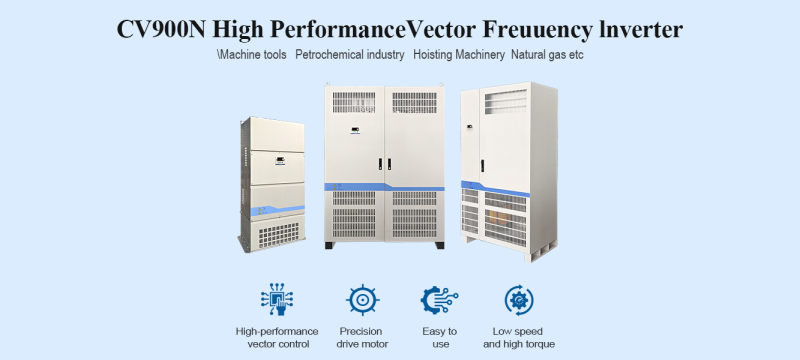
You should focus on a few key tips when choosing a motor speed controller. Pick a controller that matches the power and type of your motor. The right choice helps your system run smoother and last longer. Always make sure you understand your system’s needs. Using the right controller can improve both performance and reliability.
Key Takeaways
Pick a motor speed controller that works with your motor's power type. This helps the motor run well and last longer.
Know what your system needs before you pick a controller. Make a list of what your motor needs so you do not have problems later.
Always make sure the controller's voltage and current match your motor. This keeps your motor safe and helps it work better.
Think about how big and heavy the controller is. Make sure it fits in your system and lets air move around it to stop it from getting too hot.
Ask an expert for help when picking a controller. Canroon's team can help you choose the best one and show you how to set it up.
Motor Speed Controller Basics
What Is a Motor Speed Controller?
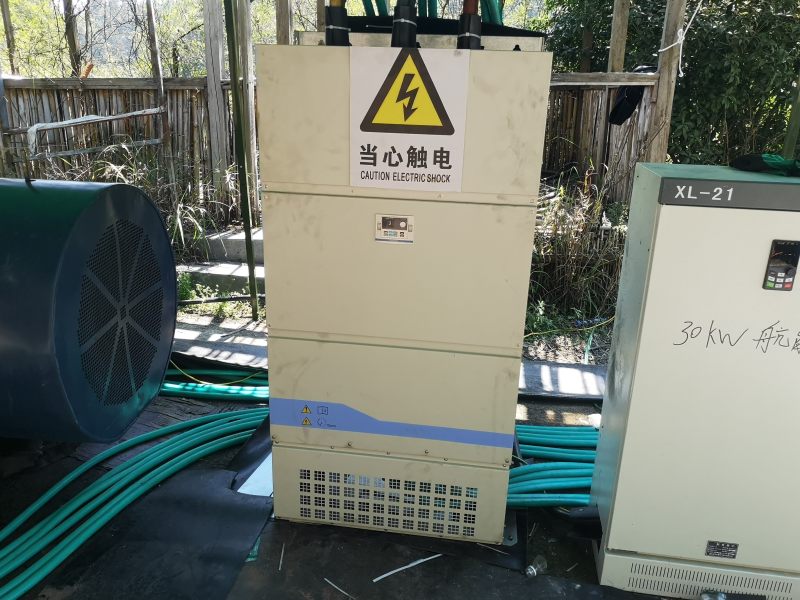
You use a motor speed controller to change how fast a motor spins. This device lets you adjust the speed, direction, and sometimes the torque of your motor. Many machines need different speeds for different tasks. For example, you might want a fan to run slowly in cool weather and faster when it gets hot. A motor speed controller helps you do this with ease.
There are different types of controllers. You will find simple ones for small projects and advanced ones for big machines. An ac motor speed controller works with motors that use alternating current. You see these in air conditioners, pumps, and conveyor belts. When you pick the right controller, you get smooth and safe operation.
Tip: Always check if your motor uses AC or DC power before choosing a controller.
Why the Right Choice Matters
You improve your system’s performance when you choose the correct motor speed controller. The right controller protects your motor from damage. It also helps you save energy and reduce noise. If you use an ac motor speed controller with the wrong motor, you might cause overheating or even failure.
Here are some reasons why your choice matters:
You get longer motor life.
You avoid costly repairs.
You keep your system safe.
You achieve better control over speed and power.
A good controller makes your work easier and your machines last longer. You should always match the controller to your motor and your needs.
Key Tips for Selection
Understand System Requirements
Start by knowing what your system needs. Look at your motor type and what jobs it does. Think about how fast you want it to go. Decide how much control you need over speed and direction. Write down your main goals for how well it should work. These steps help you pick a motor speed controller that fits your needs. If you follow these steps, you can avoid problems later.
Tip: Make a checklist of what your system needs before you shop.
Match Voltage and Current Ratings
Always match the voltage and current ratings to your motor. Using a controller with higher voltage gives more energy each time. Your motor can go faster and speed up better. A controller that handles more current gives more power. This makes your system react quicker. These tips help you get better performance and keep things safe.
A better controller can give more power, so speed and acceleration go up.
It controls the power from the battery to the motor, making things work better.
More current means more power, so your system reacts faster.
Higher voltage systems, like 72V, give more energy each time, so you get more speed and torque.
If you do not match these ratings, you could hurt your motor or cause safety problems. Always follow what the manufacturer says.
Choose the Right Motor Type and Driver
Pick a controller that works with your motor type. AC motors need an ac motor speed controller. DC motors need a different kind. Some motors, like stepper or servo motors, need special drivers for exact control. Using the right driver helps your system work better. These tips help you avoid problems and get the most from your system.
Note: Check your motor’s datasheet to find the right controller type.
Assess Power and Load Needs
Know how much power your system uses and what kind of load it has. Different jobs need different control types. Use the table below to help you choose:
These tips help you pick a controller that matches your power and load needs. This step helps your system work well and run smoothly.
Check Controller Size and Weight
Make sure the controller fits in your system. Measure the space where you want to put it. Some controllers are big and heavy, so they may not fit small or moving systems. Smaller and lighter controllers are easier to install and use. These tips help you avoid problems and keep your setup tidy.
Tip: Always check the size and weight in the product details before you buy.
Review Communication Protocols
Many motor speed controllers use digital communication protocols. These let your controller talk to other devices in your system. Common ones are EtherCAT, MODBUS, CANopen, and Profinet. If you want to connect your controller to a network, make sure it supports the right protocol. This helps your system work better and share data easily.
Delta servo systems use EtherCAT, MODBUS, and CANopen.
Networked servo drives support EtherCAT, Profinet, and CANopen.
These tips help you get ready for future upgrades and make changes easier.
Programming and Customization
Many controllers let you program and customize settings. You can set speed profiles, safety limits, and feedback options. Variable frequency drives (VFDs) help save energy by matching speed to the load. Advanced motion control solutions make setup easier and help with data sharing. These tips help you get the best performance from your motor controllers.
Tip: Test your settings before using them to make sure they work.
If you follow these tips, you make smart choices that help your system work better, save energy, and stay safe.
Installation Tips for Motor Speed Controllers
Environmental Considerations
Always look at the place where you want to put your motor speed controller. Dust, water, and very hot or cold temperatures can hurt your equipment. Put your controller in a spot that is clean and dry. If you work outside or in a factory, use a box that protects it. Find controllers with an IP rating that fits your needs. A higher IP rating means it keeps out more water and dust.
Tip: Do not put your controller in direct sunlight or near strong shaking. This helps your device last longer.
Space and Mounting
Measure the area before you install your motor speed controller. These controllers come in many sizes. Make sure there is enough space for air to move around the device. Good airflow keeps it cool and stops it from getting too hot. Use the holes or brackets that come with your controller to mount it. Attach the device to a strong surface. This keeps it from moving or falling when it works.
Read the manual to find the best place to mount it.
Leave room for wires and connectors.
Do not put the controller near things that make heat.
Safety and Compliance
Follow safety rules when you install a motor speed controller. Turn off all power before you start. Wear gloves and goggles to stay safe. Use the right tools for the job. Make sure your controller meets safety rules for your area. Look for labels like CE or UL. These show the product passed safety checks.
If you use these installation tips, your system will be safe and work well.
Comparing Motor Speed Controllers and Motor Drivers
Key Differences
Some people think a motor speed controller and a motor driver are the same. They are not the same. A motor speed controller lets you change how fast the motor spins. You can also change the direction and sometimes the torque. A motor driver connects your control system to the motor. It takes signals from the controller and sends power to the motor.
Here is a simple table that shows the main differences:
You use a motor speed controller if you want to change speed or direction. You use a motor driver if you need to turn signals into power for the motor. Sometimes, both are in one device, but they do different things.
Tip: Check if your project needs both a motor speed controller and a motor driver.
Application Scenarios
You see a motor driver in simple machines. For example, a small robot or toy car uses a motor driver. The motor driver gets signals from a microcontroller and makes the motor move. You do not need to change speed much in these cases.
A motor speed controller is used in more advanced systems. You use it in conveyor belts, fans, or pumps. Here, you want to change speed or direction for different jobs. Sometimes, you use both devices together. The motor speed controller sends commands. The motor driver gives the power.
Here are some common uses:
Robots: The motor driver moves the wheels.
Fans: The motor speed controller changes the airflow.
Electric vehicles: Both work together for smooth driving.
Industrial machines: The motor speed controller gives you precise control.
Picking the right device helps your system work better and last longer.
Common Applications and Canroon Solutions
Industrial Automation
Motor speed controllers are used in many factories. They help control machines like conveyor belts and robotic arms. You can change the speed and direction fast with these devices. This makes the production line more flexible. The controller also protects motors from getting too hot or overloaded. This means you have less downtime. Canroon sells controllers that work for many factory jobs. You get help with setup and fixing problems, so your system works well.
HVAC and Building Systems
Motor speed controllers are important in HVAC and building systems. You use them to control fans, pumps, and compressors. This helps save energy and keeps buildings comfortable. For example, you can slow a fan when it is cool and make it faster when it is warm. These jobs need controllers that work in different places. Canroon has controllers that keep out dust and water. You can also program them easily to fit your needs.
Electric Vehicles and More
Electric vehicles need motor speed controllers to work well. These controllers help control how fast the car goes and how much power it uses. In new electric cars, controllers do more than just change speed. They help balance energy and adjust to the road. Here is what they do in electric vehicles:
Controllers use smart energy management to help the battery last longer.
They change power quickly to match speed and load.
The system uses a special model for different driving needs.
Canroon gives you advanced controllers for electric vehicles and other new technology. You get help picking the right product and setting it up for your needs.
Canroon’s team helps you choose the best solution for your job. You can trust their products and support for good results.
Getting Expert Support from Canroon
Technical Assistance
You can get help from Canroon’s technical team when you have questions about your motor speed controller. The team answers your calls and emails quickly. You can ask about setup, wiring, or how to use the controller. If you face a problem, you can send a photo or video. The team will guide you step by step. You can also learn how to do regular maintenance on your controller. This helps you keep your system running well.
If you want to avoid breakdowns, you should follow the maintenance tips from Canroon’s experts.
Here are some ways Canroon supports you:
Phone and email support for fast answers.
Troubleshooting help for common issues.
Advice on how to clean and check your controller.
Tips for safe maintenance.
You can trust Canroon to help you solve problems and keep your equipment in good shape.
Product Selection Guidance
Choosing the right motor speed controller can feel hard. Canroon makes it easier for you. You can tell the team about your motor, your system, and your goals. The experts will listen and suggest the best product for your needs. You can ask about size, power, and features. The team will explain which controller fits your project.
You can also get a table that compares different models. This helps you see the differences and pick the right one.
You can ask for tips on installation and maintenance. The team will help you plan for future upgrades. You will feel confident about your choice. Canroon’s support helps you get the best results from your motor speed controller.
When picking a motor speed controller, think about what is most important. Try to find one that saves energy, is safe, and gives you good control. The table below lists the main things to look for:
For the best results, ask Canroon’s experts for help. These tips can help make your project safer and work better.
FAQ
What is the main job of a motor speed controller?
A motor speed controller lets you change how fast your motor spins. You can also use it to change the direction. This helps you match the motor’s speed to your needs.
How do you know which controller fits your motor?
You should check your motor’s voltage and current ratings. Match these numbers with the controller’s ratings. Always read your motor’s datasheet for the best match.
Can you use one controller for different motor types?
You cannot use one controller for every motor. Each motor type, like AC, DC, or stepper, needs a special controller. Always pick a controller made for your motor type.
Why do you need to check the environment before installing?
Dust, water, and heat can damage your controller. You should pick a spot that stays clean and dry. Use a controller with a high IP rating if you work in tough places.
Previous:
Next:
Sign up for updates