




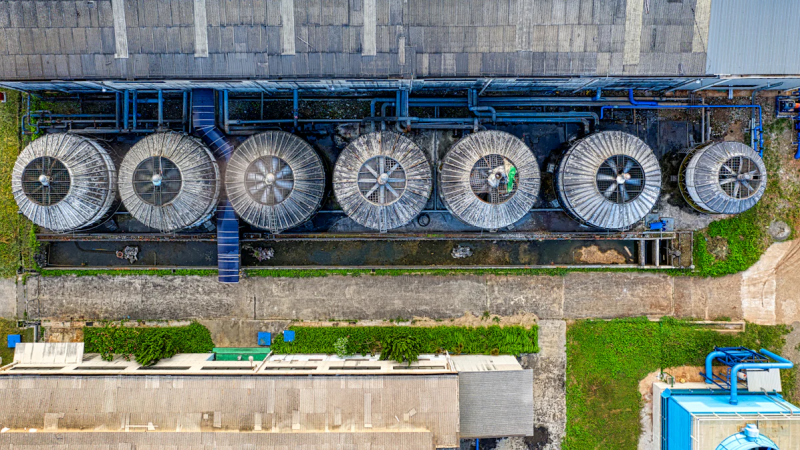
You can reduce energy use in fans and blowers by 30-50% with the right technology. A variable frequency drive (VFD for fans) lets you control how fast your fan motors run.
A VFD is a motor controller that changes the frequency and voltage sent to an AC motor.
By lowering the speed, you can save a lot of energy. For example, if you cut fan speed by 20%, you can nearly cut power use in half. Dropping speed by 50% can drop energy use to just 1/8 of the original amount.
These energy savings matter. Many businesses save tens of thousands of dollars every year with VFDs.
Canroon is a trusted provider of VFD solutions that help you reach these results.
Key Takeaways
Using a Variable Frequency Drive (VFD) can help fans and blowers use less energy. This can save 30-50% of energy and lower costs a lot.
Lowering fan speed with a VFD saves energy. It also helps equipment last longer by causing less damage.
VFDs give better control over fan speed. This lets systems change to what is needed right now. It makes them work better and more efficiently.
Installing a VFD can pay for itself quickly. This usually happens in 1.5 to 3 years because energy costs go down.
Regular maintenance of VFDs keeps them working well and for a long time. It helps stop expensive repairs and keeps things running smoothly.
What is a VFD for fans?
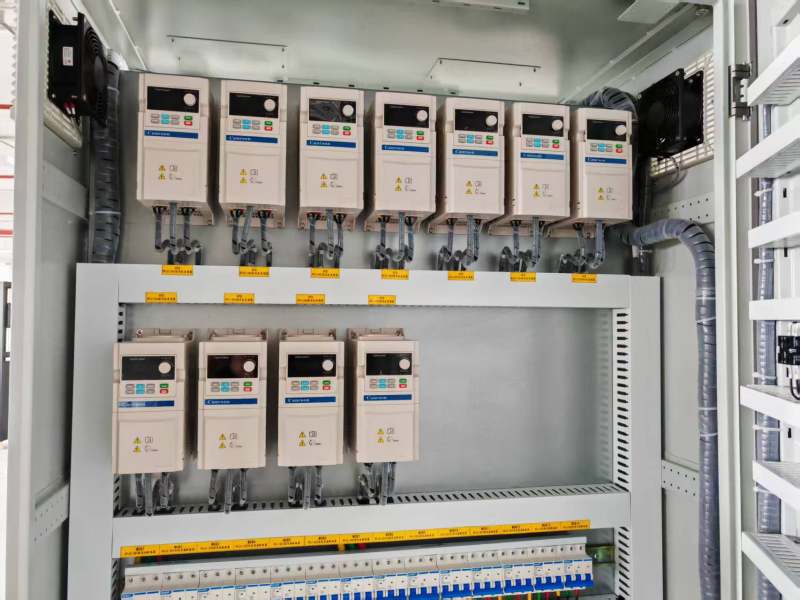
VFD basics
A Variable Frequency Drive, or VFD, is an electronic device that helps you control how fast your fan motor runs. You can use a VFD to change the frequency and voltage sent to the motor. This lets you adjust the speed and torque of the fan. When you use a VFD, you can make your fan work only as hard as needed. This means you do not waste energy by running the fan at full speed all the time.
Tip: Before you add a VFD to your system, check if your motor is compatible. Some older motors may need special attention.
How VFDs control speed
A VFD changes the speed of your fan motor in four main steps:
The VFD takes the AC power from your building and turns it into DC power.
It smooths out the DC power to make it steady.
The VFD then changes the DC power back into AC power, but now it can control the frequency and voltage.
The control system inside the VFD adjusts these settings to give your fan the right speed.
With this process, you can set your fan to run slower or faster, depending on what your building needs. This helps you avoid wasting energy and keeps your system running smoothly.
Why speed matters for energy use
The speed of your fan has a big effect on how much energy it uses. The laws of physics show that when you reduce the speed of a fan, the energy use drops even faster. For example, if you slow down your fan just a little, you can save a lot of energy. If you cut the speed in half, the energy use can drop to only one-eighth of what it was before. This means you can make a big difference in your energy bills by using a VFD to control fan speed.
Lower speeds also mean less wear and tear on your equipment.
You can keep your fans running longer and avoid costly repairs.
When you match the fan speed to what you actually need, you get the best performance and the most energy savings.
VFD benefits for fans and blowers
Energy and cost savings
You can save a lot of energy with a vfd for fans. A variable frequency drive lets you change how fast your fan motors spin. This helps match the speed to what your system needs. If you slow the fan by 20%, you can use almost half the power. If you run the fan at 50% speed, you only use one-eighth of the energy. These savings help you spend less money every month.
Look at the table below for real results:
Many places see the same savings. For example:
The Bowling Green Municipal Utilities saved money and helped the environment with vfds.
A factory used 30% less energy after adding vfd for fans.
Water pumps in Bowling Green used up to 85% less energy with vfds.
These stories show you can save energy and money with variable frequency drive technology. Canroon has vfd solutions that help you use less energy and reach your goals.
Equipment protection
A vfd for fans does more than save energy. It helps protect your machines and makes them last longer. With a variable frequency drive, you get smooth control of your motors. The vfd starts and stops your fans slowly. This means less stress, less shaking, and less heat.
Here is how vfds protect your equipment:
You will see less damage after adding a vfd for fans. Before using a vfd, fans can wear out fast and use a lot of power to start. After adding a vfd, fans wear out less and use less power to start. Smooth running means fewer repairs and longer life. You can avoid big repair bills and keep your system working well.
Improved control
A vfd for fans gives you better control over your fans and blowers. You can change the speed and power to fit what you need. This helps you get the right airflow and pressure, so your building stays steady.
You get these benefits:
You can change the speed quickly and keep things steady.
You can control the motor to react fast when things change.
You can control how fast the fan speeds up or slows down, which helps with airflow and pressure.
A variable frequency drive lets you set the blower’s speed by changing the frequency and voltage. You can make the system do exactly what you want. This helps you use less energy, make better products, and keep things working well. Canroon’s vfd solutions give you better control and help your system work its best.
Note: Using a vfd for fans saves energy and helps you follow safety rules. You can also lower pollution and help the planet.
Canroon is an expert in vfd for fans and blowers. Their solutions help you save energy, make your machines last longer, and give you better control. You can count on Canroon to help you save money and keep your building running well.
Applications of VFD for fans
HVAC systems
You see variable frequency drives in many hvac systems today. These drives help you control supply and return fans in buildings. You can use VFDs in cooling towers, clean rooms, and even data centers. When you add a VFD to your hvac fans, you match the airflow to what your building needs. This means you do not waste energy by running fans at full speed all the time. You can lower your energy bills and keep your building comfortable. Many hospitals, schools, and office buildings use VFDs in their hvac systems to save energy and improve air quality.
Note: VFDs also help you meet safety rules and reduce pollution in your building.
Industrial ventilation
You find VFDs in many industrial ventilation systems. These systems include dust collection, exhaust fans, paint booths, and welding fume extraction. When you use a VFD, you can adjust the fan speed to match the work being done. This saves energy and keeps the air clean for workers. For example, if your factory runs fans all year, you can save about 11% on energy. That means you use less power and spend less money. If you have many fans, your savings can add up to thousands of dollars each year. VFDs also make your equipment last longer because they reduce wear and tear.
Common places you see VFDs in industrial ventilation:
Wastewater treatment plants
Laboratories
Marine engine rooms
Manufacturing uses
You can use VFDs in many manufacturing processes. They work well in power plants, oil and gas sites, and factories. VFDs help you control air pressure and airflow in machines like drying ovens and cooling towers. When you use VFDs, you can cut your energy bills by 20% to 60%. You also get better control over your machines, which helps you make better products. For example, if you slow a fan by 20%, you can save half the energy. VFDs also help your machines last longer and need fewer repairs.
Many companies trust Canroon for VFD solutions in manufacturing. They have helped factories save energy and improve their systems.
Installing and operating VFDs
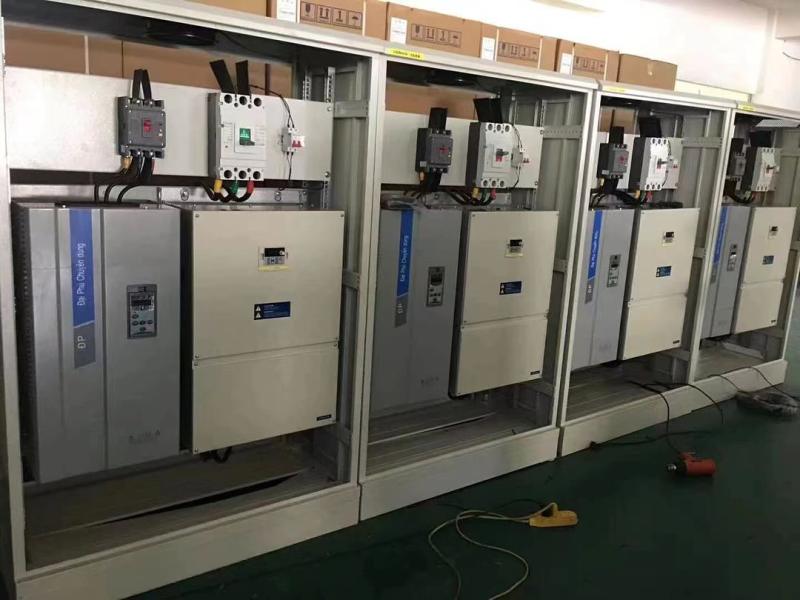
Assessing existing systems
You need to check your fans and motors before installing a variable frequency drive. Many systems can use a variable frequency drive to save energy and improve control. You can often add these drives to your current equipment. Fans with variable torque loads save the most energy. For example:
A fan running at 80% speed uses about half the energy of full speed.
At 60% speed, the fan uses just over one-fifth of the energy.
Fans and pumps with variable torque show the biggest energy savings.
To check your system, follow these steps:
Look at the motor insulation and winding to see if it works with a variable frequency drive.
Check the bearings and add protection like shaft grounding rings if needed.
Make sure the motor stays cool at lower speeds. Add extra cooling if needed.
Check cable lengths to stop voltage spikes and electromagnetic interference.
Make sure your system does not mess up other building controls.
If you find problems, fix them before you install the variable frequency drive. This helps you get better control and makes your motor last longer.
Professional setup
Getting a professional setup helps you avoid problems and get the best results. You want your variable frequency drive to work safely and last a long time. Here are some best practices:
Put in an input line reactor to limit inrush currents and lower harmonic distortion.
Add shaft grounding rings to protect bearings and make the motor last longer.
Use an output filter if your motor cables are longer than 100 feet. This keeps the motor safe from voltage spikes.
You may have some challenges when installing. Older motors may not work well with a variable frequency drive. You can test the motor and add filters if needed. Sometimes, your building management system needs upgrades for better control. Make sure your electrical panel can handle the new drive. If the room is hot, add ventilation to keep the drive cool.
The payback period for a variable frequency drive is usually short. Look at this table:
You can see you get your money back quickly because you save on energy costs.
Tip: Canroon gives smart motor control solutions and expert help for your installation. Their team helps you get better control and a longer motor lifespan.
Maintenance tips
Good maintenance keeps your variable frequency drive working well and saves money. You should:
Keep all connections tight.
Clean air filters and check that cabinet fans work.
Make sure cabinet doors close tightly and gaskets seal.
Use low-pressure air to blow dust off components.
Put the drive in a dust-proof cabinet with fans and filters.
Clean filters often for good airflow.
Check the cooling fan for noise or jams. Replace it if needed.
Watch the drive’s surface temperature.
Do routine inspections and keep the area clean.
Tighten terminal screws.
Use built-in diagnostics to check performance.
Update the drive’s firmware.
Schedule professional service for your drive.
These steps help you get better control, use less energy, and make your motor last longer. You also lower the energy used and keep your costs down. Smart motor control from Canroon helps you take care of your system and save money on energy.
You can save 30-50% energy with a variable frequency drive for fans and blowers. This device helps by changing the fan speed to fit what you need. You get other good things too:
The affinity laws say slower fans use much less power.
A variable frequency drive helps your equipment last longer and lowers repair costs.
You can add a vfd to the system you already have. Canroon gives expert help and solutions. Ask them for a checkup and start saving energy now.
FAQ
What are variable frequency drives and how do they help with automation?
Variable frequency drives let you change how fast motors run. You use them to make fans and blowers work better. In automation, systems can react to changes by themselves. This saves energy and makes things work more smoothly in factories.
How does automation improve fan and blower operation?
Automation lets you set fan speeds for what is needed now. Sensors watch the conditions and send information. The system changes the speed without you doing anything. This stops energy from being wasted. You get more control and your machines work better.
Can you use variable frequency drives in industrial automation?
Variable frequency drives can be used in factory automation. They help you control motors in different machines. You can connect them to other systems to change speeds. You can also check how well things are working. This helps you make more products and use less energy.
What maintenance do automation systems need for fans and blowers?
You need to check wires and clean filters often. Automation systems tell you if something is wrong. You can plan times to look at your equipment. This keeps your fans working longer. You stop big problems and help your machines last in factories.
Why should you choose automation for your facility?
Automation gives you more control over your machines. You can save money and use less energy. It helps keep people safe and stops long breaks. Automation works in many places and with variable frequency drives. It helps factories reach their goals.
Sign up for updates