




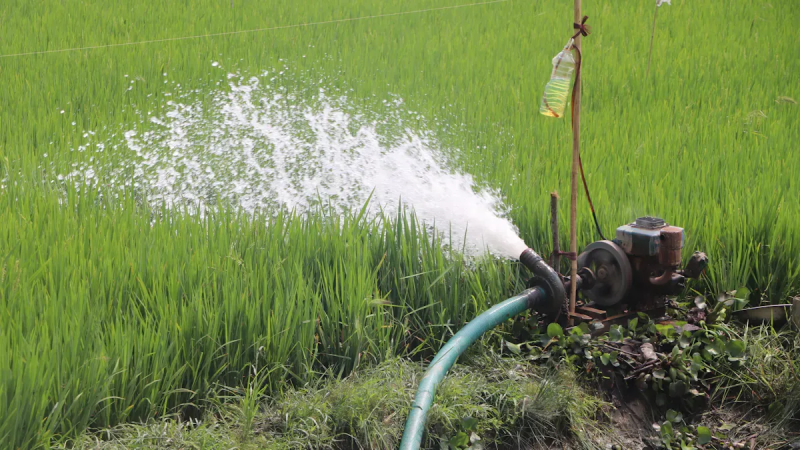
You might see your pump system working all the time. Energy bills keep going up. Many systems, like HVAC and water pumps, waste energy. This happens because controls are old or not cared for well. If you use variable frequency drives, you save money right away. Your pump also works more smoothly. For example, a vfd for pumps can lower daily energy use by over 40%. It can also cut maintenance costs by almost 74%. The table below shows how much energy you can save:
You get better control of your pump. You pay less for energy. Your pump does not wear out as fast. Canroon is a trusted company for variable frequency drives. They help you save energy and make your system work better.
Key Takeaways
VFDs can cut pump energy use by more than 40%. This helps save money on energy bills.
Using VFDs lowers maintenance costs by almost 74%. This helps pumps last longer.
VFDs match pump speed to what is needed. This stops energy waste and makes pumps work better.
VFDs stop cavitation and lower wear. This keeps pumps safe from damage.
Experts help make sure VFDs are set up right. This gets the most energy savings and best system work.
Traditional Pump Control vs. VFD for Pumps
Common Pump Control Methods
Factories and buildings use different ways to run pumps. Some popular methods are:
Outlet valve control
Throttle valve at the inlet
Bypass loop (recirculation control)
Intermittent operation (on/off control)
Multi-speed motor or step control
These ways keep pumps working fast all the time. You might use a valve to slow down water. Sometimes, extra water goes back through a bypass line. These methods look easy, but they waste lots of energy.
Limitations and Inefficiency
Old pump controls cost more than you think. Throttling or bypass makes pumps work too hard. This wastes energy and raises your bills. For example, a bypass loop sends about 30% of water back. That water does not do anything useful. Throttling a valve turns extra pressure into heat. This also wastes energy.
Here is a table that compares different methods:
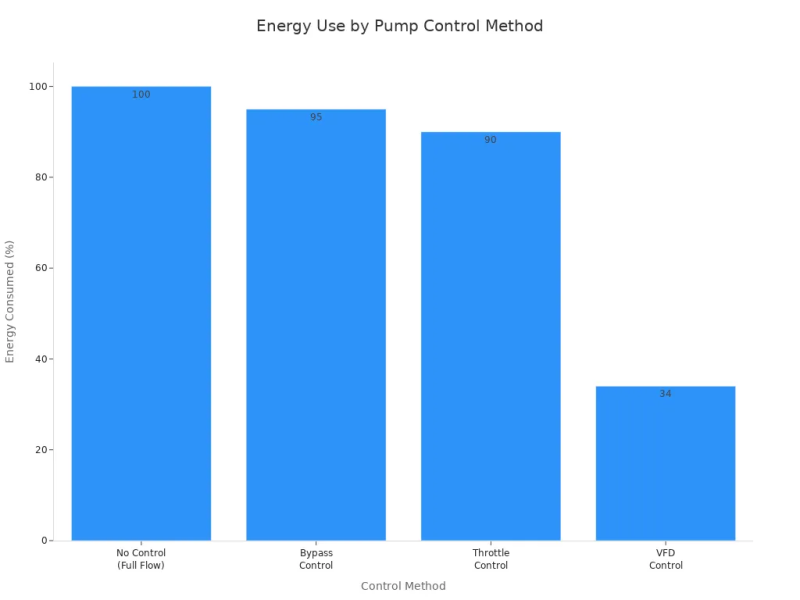
Old pump controls waste a lot of energy. They use valves or bypass lines to control flow. This makes fake pressure and uses too much power.
You face other problems too. Old pumps start and stop very quickly. This can hurt the pump over time. High starting currents use more energy. In a water plant, old methods made pumps run part-time all day. This wasted power. New VFD pump controls help you fix these problems and save energy.
How VFDs Improve Energy Efficiency
Variable Speed and Energy Savings
You can boost energy efficiency in your pump system by using a vfd for pumps. Traditional pumps run at a fixed speed, even when you do not need full power. This wastes energy. A vfd lets you adjust the pump speed to match the actual demand. When you lower the speed, you use less energy. You also reduce wear on your equipment.
Here is a table that shows how much energy you can save by switching from a fixed-speed pump to a vfd-controlled pump:
You can often save between 20% and 50% on your energy bills, depending on your application. Many wastewater treatment plants report savings up to 50%. With a vfd for pumps, you only use the energy you need. This means you avoid wasting power during low demand periods. You also get smoother pressure control and lower maintenance costs.
VFDs control the speed and torque of electric motors by changing frequency and voltage.
They let you match pump speed to system demand, which increases energy efficiency.
You avoid peak output waste because the pump only works as hard as needed.
Affinity Laws and Pump Efficiency
You can understand why vfd for pumps save energy by looking at the affinity laws. These laws explain how changes in pump speed affect flow, pressure, and power.
The first law says flow changes in direct proportion to speed. If you increase speed by 20%, flow goes up by 20%.
The second law says pressure changes with the square of speed. If you double the speed, pressure increases four times.
The third law says power changes with the cube of speed. If you reduce speed by 20%, you cut power consumption almost in half.
When you use a vfd, you can control the pump speed very precisely. This lets you optimize pump efficiency for every situation. You avoid running the pump too fast or too slow. You also reduce energy consumption and improve overall system efficiency. This approach is key to optimising pump energy efficiency in any facility.
Reducing Cavitation and Peak Demand
You can also protect your pumps by using a vfd. Cavitation happens when pressure drops too low inside the pump. This can damage the pump and lower its efficiency. A vfd gives you precise flow rate control. You can adjust flow and pressure smoothly, which helps prevent cavitation.
VFDs let you ramp pump speed up and down slowly. This reduces sudden starts and stops.
You avoid high inrush currents and mechanical shocks.
Smoother operation means less vibration and less wear on your pump.
You also benefit from lower peak demand charges. When you start a pump with a vfd, you avoid large spikes in electrical use. This can save you money on your utility bills. You also help the environment by reducing carbon emissions and conserving water resources. Pumps running at lower speeds make less noise, which is better for nearby homes and workplaces.
Tip: Using a vfd for pumps gives you better control, higher energy efficiency, and longer equipment life. You save money and help the environment at the same time.
Practical Benefits of VFDs for Pumps
Lower Total Cost of Ownership
You can save money by using a vfd for pumps. These drives help you use less energy, sometimes up to 50% less. Your electricity bill goes down each month. Soft starts and stops keep your pump motor safe from damage. This makes your equipment last longer. You spend less money fixing or replacing parts. VFDs have safety features like motor protection and fault detection. These features help stop accidents and lower risks. You can control motor speed exactly, which helps manage your process and cuts waste. VFDs change with the load, so you do not need to adjust things yourself. Many pump systems pay for themselves in 1.5 to 3 years. Some projects get money back in just 2.5 months. Yearly ROI can be over 100%, depending on how much energy you save.
Enhanced System Performance
Your system works better when you use a vfd for pumps. Pumps only run as fast as needed. This saves energy when demand is low. You help the environment by making less pollution. VFDs let you use smart pump controls like de-ragging. You lower stress on the pump motor and make it last longer. Smooth operation means less damage and fewer repairs. You spend less on maintenance and your system is more reliable. VFDs let you control flow rate exactly, so you can change flow when needed. You save money at pump and compressor stations. Features like syncing and remote viewing make management easier.
Canroon Solutions for Pumps
Canroon gives you vfd for pumps that help save energy and work better. You get expert help for setup and care. Canroon solutions let you match pump speed to what your system needs right now. You lower stress and make your system more stable. Their drives have soft-start features, which cut hydraulic shock and stress. You get smoother operation and longer equipment life. Canroon’s products help you save energy and lower costs. You can count on their team for good solutions for pumps.
Steps to Implement VFDs for Pumps
Assessing Pump System Needs
You need to start by understanding your current pumps and how they work. This helps you find the best way to improve your system. Follow these steps:
Check your existing pump system. Look at how it runs every day.
Study the flow and pressure your pumps need to deliver.
Review your energy consumption patterns. See when your pump uses the most energy.
Decide what vfd settings and features you need for your pumps.
Tip: Careful assessment helps you choose the right solution and avoid wasting energy.
Selecting the Right VFD
Choosing the correct vfd for your pump is important. You want a drive that matches your pump’s needs. Here is what you should check:
Find out your pump motor’s rated power, voltage, and full-load current.
Know if your pump needs variable torque or constant torque. Most pumps use variable torque drives.
Match the vfd to your supply voltage. Check if you use three-phase or single-phase power.
Decide if you need built-in PID control for closed-loop systems.
Pick the right enclosure protection for your installation area.
Make sure the vfd meets harmonic limits for your site.
Choose the right communication interface for your system.
Note: If you feel unsure, ask Canroon or another expert for help. They can guide you to the best choice.
Installation and Support
Proper installation keeps your pumps running well and saves energy. Here are some best practices:
Match the vfd to your pump’s power and voltage.
Confirm the control functions you need, like speed adjustment or constant pressure.
Think about the environment. Good ventilation and the right cabinet help your vfd last longer.
Set up a maintenance plan. Clean and inspect your system often.
Monitor energy consumption and adjust settings as needed.
Follow the manufacturer’s instructions for installation and commissioning.
Canroon offers support for installation, wiring, and troubleshooting. Their team helps with preventive maintenance and system checks. You can also get training for your staff and advice on keeping your pumps efficient.
Table: Benefits of Consulting Experts
Remember: Expert help reduces risks and helps you get the most from your vfd and pumps.
You can make your pumps work smarter and save energy by using VFDs. These drives help your system match pump speed to real demand, so you avoid wasting power. VFDs also keep pressure steady and improve flow control. If you want better results, check your current setup and see where you can improve. For expert advice and reliable solutions, consider reaching out to Canroon.
FAQ
What is a VFD and how does it work?
A VFD, or variable frequency drive, lets you change the speed of your pump motor. You control the flow and pressure by adjusting the motor speed. This saves energy and reduces wear.
Can I install a VFD on any pump?
You can use a VFD with most electric motor-driven pumps. Check your pump’s motor type and power rating. Some old or special motors may not work well with VFDs.
How much energy can I save with a VFD?
You can save 20% to 50% on energy, depending on your system and how much you reduce pump speed. Lower speeds use much less power because of the affinity laws.
Will a VFD help reduce pump noise?
Yes, a VFD can lower pump noise. When you run your pump at lower speeds, the motor and pump make less noise. This helps create a quieter work area.
Do VFDs need regular maintenance?
You should check your VFD for dust, loose wires, and heat. Clean the unit and inspect it often. Regular checks help your VFD last longer and work better.
Sign up for updates