




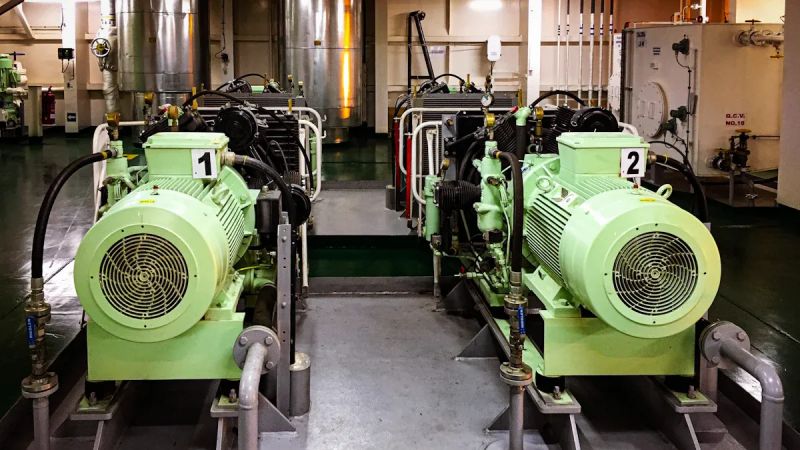
A modern VFD for pump systems changes how you control liquid movement. Older setups use mechanical throttling valves to slow down fluid flow. Instead, variable frequency drives change motor speed directly to meet your actual system needs. You save up to 30% on energy by removing extra valve pressure drops. This smart variable speed drive dynamic pressure regulation lowers physical stress on seals and impellers. Soft starts reduce damage to shafts and bearings over time. As a result, you shield your pumps from harm and avoid sudden system shut downs. Updating your setup cuts overall costs while boosting long-term reliability across all industrial pumps applications.
Key Takeaways
VFDs change motor speed directly to cut energy use by up to 50 percent.
Soft starts protect pump parts by stopping sudden pressure jumps and water hammer damage.
Swapping out old control valves for electronic drives gets rid of extra pipe pressure and lowers repair costs.
Built-in safety features turn the motor off early to avoid running without water and suffering heat damage.
Choosing the correct drive system helps machines last longer in both factory and city water setups.
How Variable Frequency Drives Work in Pumping
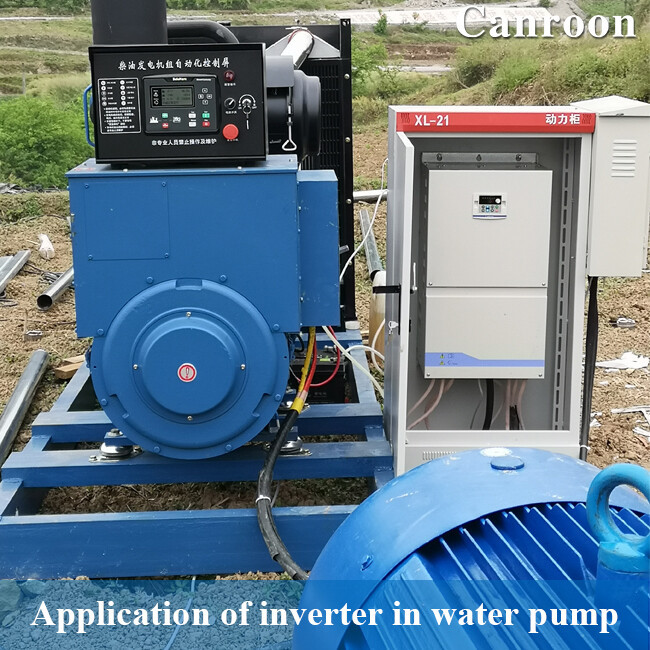
Frequency Regulation vs Mechanical Throttling
You can adjust fluid movement inside system pipes using variable frequency drives. Traditional setups run motors at maximum speed while using valves to choke the output. In contrast, electronic drives manage output performance directly.
A VFD adjusts motor speed by changing the frequency of electricity sent to the motor.
It manages speed by tweaking both the voltage and frequency sent to the motor.
The main goal in pumping is changing pump speed, which directly controls system flow and pressure.
Old mechanical throttling wastes huge amounts of electricity. Slowing down your system through smart motor control saves a lot of energy.
Dynamic Flow Control and Valve Replacement
Throttling valves force pumps to move water against artificially high pressure. This extra resistance leads to strong vibration, shaft leaks, and fast seal damage.
A variable frequency drive also can provide maintenance savings. Control valves are high upkeep items...
By swapping old valves for programmable pump control, you take away extra resistance from the line entirely. Smart flow control handles your system needs easily without making unwanted backpressure in liquid pipes.
Reduced Maintenance: Removing the Pressure Relief Valve (PRV) lowers mechanical complexity and all its related repair costs.
Extended Equipment Life: Running pumps at lower speeds with a VFD cuts bearing loads and shaft bending, extending the life of seals and bearings.
Modern pump control upgrades your factory setup with efficient flow management for many years ahead.
Core Benefits of VFDs in Pumping Systems
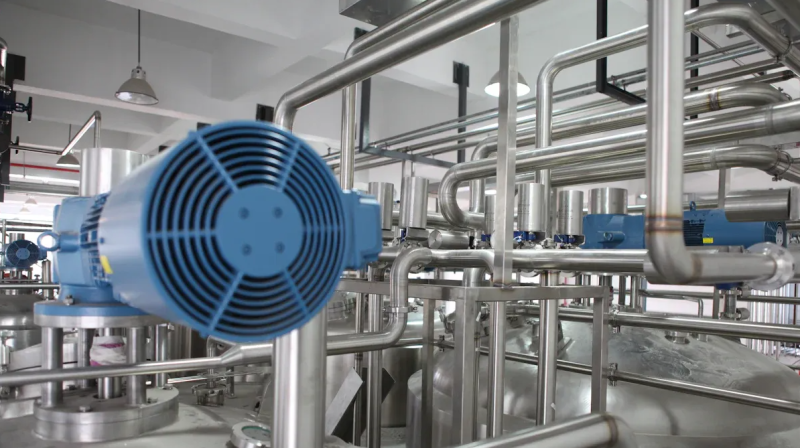
Using variable frequency drives in your factory lowers pump power use and helps internal parts last longer. Modern drive systems replace wasteful control valves with automatic speed adjustments to improve energy savings throughout your facility.
Energy Savings via Affinity Laws
Centrifugal pumps follow physics rules called the affinity laws. The third law shows that power use connects to the cube of motor speed. Small speed cuts lead to huge energy savings. When you slow a motor down by 20%, you reduce power use by 49%. For instance, a 22 kW pump running at 50 Hz uses only 18.26 kW when lowered to 47 Hz. That small change creates a 17% drop in power demand. You get the best efficiency by running pump motors only as fast as your system needs.
Think about a 75 kW pump running at 60% flow for 6,000 hours each year. Using valves keeps the required power high at 67 kW. Using a variable speed drive lowers the needed power to 19 kW. This simple change saves 288,000 kWh of energy every year.
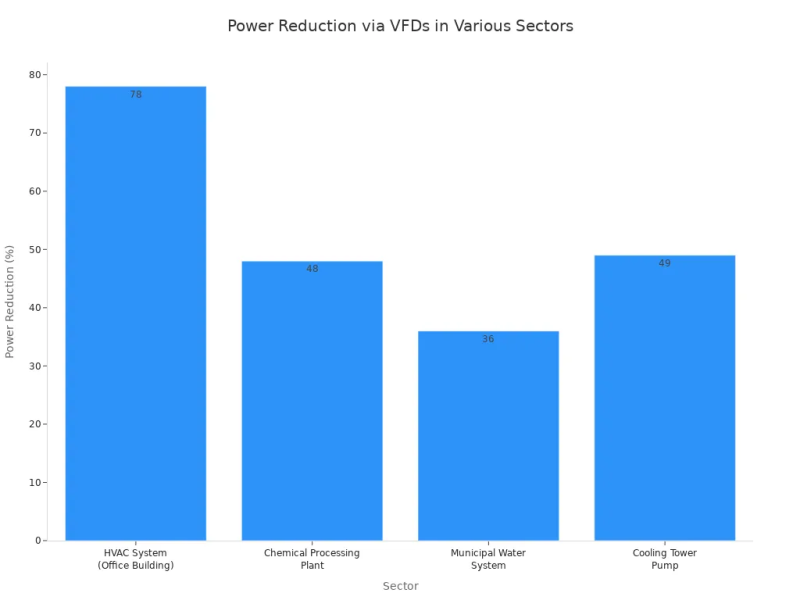
Lower power use directly brings major cost savings to your daily plant operations.
Equipment Protection and Soft Starting
Starting motors full-force sends harsh shock waves and heat through your pipes. Normal starts cause electrical spikes up to 600% of full load levels. A vfd for pump systems speeds the motor up slowly over 5 to 20 seconds. This soft start keeps starting current under 150%. Gentle starts fill pipes smoothly and stop harsh pressure spikes. Slow stops prevent water hammer when fluid flow halts. Removing pressure shocks protects inner impellers and bearings from wear.
Built-in drive protection safeguards your pumps from dry running and overloads without extra physical sensors.
The drive checks electrical current continuously to spot an instant loss of water flow.
Setting parameter PRT23 picks the sensor source, while PRT24 sets the exact trigger limit.
Setting parameter PRT28 controls the delay time before turning off the system safely.
Setting parameter PRT27 chooses a coasting or controlled stop if fluid flow drops too low.
This smart protection stops the motor before friction heat ruins internal seals. You guard vital water systems, keep pumps safe from heat damage, and ensure steady long-term performance.
Primary Industrial and Commercial Application Scenarios
HVAC and Municipal Booster Systems
Installing variable frequency drives helps manage liquid flow in big offices and town water stations. Air conditioning and heating systems need constant flow updates to stay comfortable. Drives adjust motor speeds directly on chiller pumps and cooling tower fans. Matching motor output to actual daily building use saves a lot of electricity. Built-in speed adjustments also lower machine noise and make automation much simpler.
Town water systems use booster pumps to push fresh water through city pipes. Old single-speed pumps create harsh pressure spikes that break aging underground lines. Drive systems raise or lower motor speeds smoothly over many seconds. Gentle starts stop damaging water hammer and protect delivery pipes from physical stress. Adding electronic drives on pressure booster pumps holds steady line pressure and lengthens total equipment life.
Heavy Industrial and Viscous Liquid Handling
Factory plants create tough working environments for industrial motors and pumps. Standard centrifugal pumps move thin fluids like plain water or simple chemical mixtures easily. These pump systems need a variable torque drive rated for 110-120% extra power for one minute. Matching motor output to active plant demand improves fluid movement across every workspace. You stop unwanted motor overheating and protect delicate equipment during long work shifts.
Moving thick liquids like mining mud or city sewage requires strong positive displacement pumps. These heavy-duty machines need high starting force to push past thick fluid drag. Setting your drive for constant torque supplies 150% extra power for one minute. Careful speed control keeps thick fluids from splashing or letting solids sink down. Closed-loop speed tracking maintains steady material flow even when liquid thickness changes.
Selecting the Right VFD for Pump Applications
Thermal Management and Motor Insulation
Review thermal conditions carefully when picking a vfd pump setup for your processing facility. Running a motor under 30-40 Hz lowers internal cooling fan performance. This lost airflow traps high heat inside standard motor windings. Operating below 25% rated speed without extra cooling breaks down insulation quickly. Pulse-width modulation builds standing waves inside power lines. These voltage spikes damage motor insulation over time. You need good drive designs to protect standard pumps at slow speeds.
Size your vfd for pump systems by checking all environmental derating factors together. High room temperatures over 40°C lower output current by 2.5% for every degree. Working high up above 1000m drops electrical capacity by 1% per 100m. Sealed NEMA 4X boxes also need extra derating between 5% and 25%. You need strong drives for heavy-duty pumps in hot places. Canroon VFD technology offers good motor-drive setups to protect equipment insulation while keeping fluid moving.
Power Quality and Harmonic Mitigation
Normal drive rectifiers create electrical harmonics that mess up voltage across industrial applications. High harmonic levels cause bad overheating in transformer coils and trip circuit breakers. IEEE rules suggest holding total voltage harmonic distortion under 5% at key connection points. Adding a 3% input line reactor limits high-frequency harmonic currents at a low price.
Failure to reduce harmonic currents can result in overheating of neutral conductors and transformers, spurious VFD alarms, PLC problems, and computer lock-ups.
Put in advanced multipulse setups to get top power quality control. A 12-pulse converter shifts phases 30 degrees to drop 5th and 7th harmonics. An 18-pulse setup shifts phases 20 degrees to remove harmonics below the 17th level. Using a 3% or 5% load reactor protects motor coils when lines run over 110 ft. These smart drive setups keep water pumps running well without sudden breaks in city water plants.
Switching your equipment to a smart variable speed drive brings big long-term gains. Picking a new vfd for pump systems cuts power use by up to 50% in heavy jobs like mining slurry pumping. This dynamic control changes motor speed instantly to match your exact fluid needs. You lower physical wear on seals, lower repair bills, and help equipment last longer. Most plant owners earn back their installation costs through a quick 1 to 3 year payback period. Protect your water pumps and boost plant performance today. Check your current system now and talk with Canroon pros for custom drive setups.
FAQ
How much energy can a VFD save on industrial equipment?
VFDs lower electric power use by 30% to 50% under partial loads. Slowing motor speed drops energy use using laws of physics. You cut daily power costs a lot and shield pumps from heavy wear.
How do VFDs protect water pressure booster pumps from pipe damage?
These drives change motor output smoothly over 5 to 20 seconds. Gentle starts stop sudden pressure spikes inside water lines. Built-in electrical tracking spots quick drops in flow to stop pumps before heat ruins inner seals.
Can a VFD control liquid flow without throttling valves?
Yes. Shifting electrical frequency changes output right away. You can remove high-maintenance control valves from supply pipes completely. Getting rid of valve friction stops pressure buildup, lowers repair costs, and keeps fluid moving easily through big pumps.
Does running a drive at low frequencies cause motor overheating?
Running under 30 Hz reduces internal fan air, trapping heat inside motor coils. Strong voltage spikes from pulse modulation also strain wire insulation. Installing line reactors or outside fans shields regular equipment during long runs at low frequencies.
Sign up for updates