




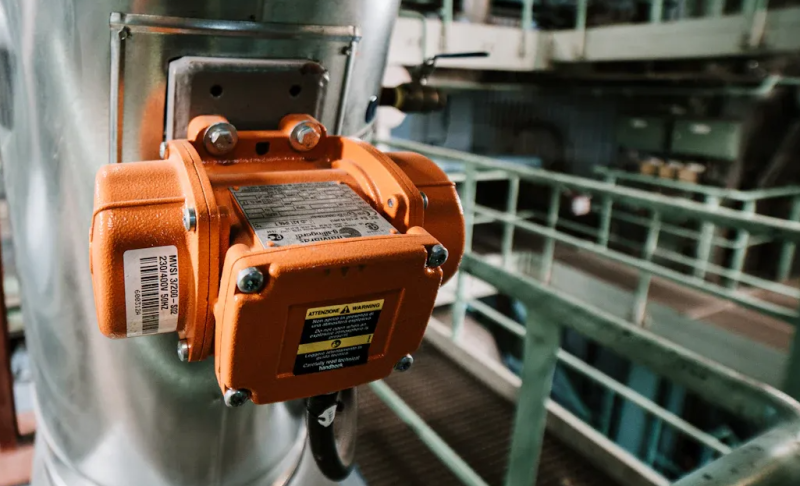
An ac motor controller helps you control the speed. It also protects the motor in many machines. You use it to change how fast the motor goes. It keeps the motor safe from harm. The controller uses frequency conversion and power regulation. This gives you better control over the motor. Canroon offers solutions with advanced technology. These solutions help the motor work well and stay reliable.
The global market for AC motor controllers was USD 4.60 billion in 2024.
Experts think the market will grow to USD 10.33 billion by 2025.
The market may grow at a rate of 12.28% each year from 2026 to 2033.
Key Takeaways
AC motor controllers help you change how fast motors go and which way they turn. This makes machines work better. Using these controllers helps save power. They also help machines last longer and cost less to fix. Important things to check are speed control, protection from too much power, and easy programming. These help the machine work well. Variable frequency drives (VFDs) are best for controlling speed and saving energy. Picking the right motor controller keeps machines safe and working well. This helps you get more work done.
AC Motor Controller Basics
What Is an AC Motor Controller
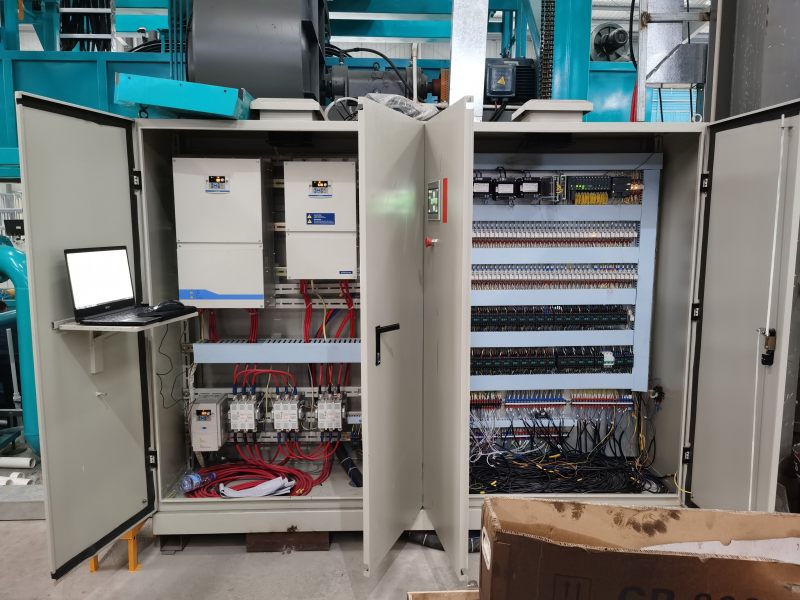
An ac motor controller helps you manage how an electric motor works. This device lets you change the speed and direction of the motor. It also keeps the motor safe from getting damaged. The ac motor controller changes electrical power so you can control the motor’s speed and torque. There are three main parts inside: a rectifier, a DC link, and an inverter. The rectifier turns AC power into DC. The DC link stores and smooths out the power. The inverter changes the DC back into AC with the right frequency. Canroon makes advanced ac motor controllers that help your machines work well and stay safe.
Key Functions and Benefits
An ac motor controller gives you many important functions. These functions help you run your machines safely and easily. Here is a table that shows the main functions and what they do:
You also get many benefits from using ac motor controllers. These benefits help you save energy, protect your machines, and make things safer. Here is another table that explains these benefits:
When you control the speed of a motor, you get better process control, less wear on machines, and save a lot of energy. If you slow down a fan by 20% in a variable torque load, you can save up to 50% in energy. Using variable frequency drives lets you change motor speed and torque to fit your needs, so your motors use less energy and work better.
Why Motor Controllers Matter
You need ac motor controllers to keep your machines working well. These devices help you save money by using less energy and needing fewer repairs. You also get better control over your machines, which means better quality and safer work. When you use a motor controller, your motor lasts longer and breaks down less often. Here are some reasons why ac motor controllers are important:
You can control the speed and direction of your motor for different jobs.
You protect your motor from getting overloaded or having electrical problems.
You save energy and help the environment.
You make your machines safer and more dependable.
Motor controllers built to last help your motors run longer. You spend less money fixing them and have fewer problems at work.
Canroon gives you reliable ac motor controllers for many types of jobs. You can count on their products to help your machines work better and last longer.
How Motor Controllers Work
Main Components
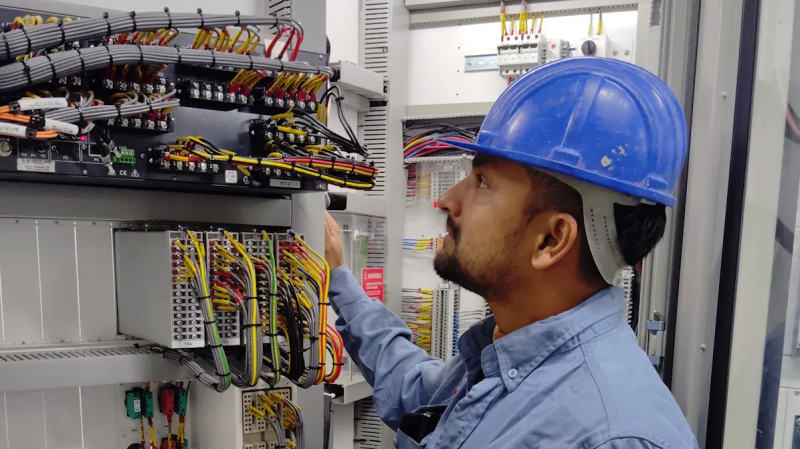
Every motor controller has important parts inside. Each part does a special job. These parts work together to control the motor and keep it safe.
The DC busbar links the battery pack and the motor controller. It moves DC power quickly and easily.
The inverter structure changes DC power into three-phase AC power. This helps you control the motor very well.
EMI suppression uses filters called X and Y capacitors. These filters lower electromagnetic interference.
The control circuit is like the brain. It runs control algorithms and collects signals.
The drive circuit sends signals to the power module’s switches.
The heat sink takes away heat from the power module. This keeps the motor controller cool and working well.
You need all these parts for good motor control. Each part helps you control speed and keeps your motor safe.
Tip: A strong motor controller uses tough parts. This makes your machines last longer and work better.
Frequency Conversion Process
A motor controller changes the frequency of power going to your motor. First, the controller turns AC power into DC. Then, it changes the DC back into AC with a new frequency. This lets you change how fast the motor spins.
Changing the frequency changes how the motor works. High-frequency control can make voltage rise fast. This can hurt the motor’s insulation and make it wear out sooner. Harmonics from the inverter can make the motor hotter by 10% to 20%. This lowers how well the motor works. When the motor runs slow, it cools less because there is less airflow. Harmonic losses make cooling harder and can cause overheating.
You also get better control. You can start the motor slowly or stop it fast. If you start and stop the motor a lot, it can get tired. Sometimes, you hear noise or feel shaking. These come from electromagnetic forces and can cause problems like resonance.
Note: Check your motor controller for noise and heat. This helps you stop damage and keeps your machines working well.
You need to make sure your motor controller follows these standards. This keeps your machines safe and working well.
Speed and Power Regulation
A motor controller helps you control speed and power. There are different ways to do this. Each way gives you different results.
Variable frequency drives are the most common choice. They give you good speed control and save energy. You can match the motor speed to what you need. This helps you save power and protect your machines.
You should pick the right motor controller for your job. Look for features that help with speed and motor control. Make sure your controller meets safety and quality rules.
Tip: The right motor controller gives you the best results. You save energy and keep your machines safe.
Types of AC Motor Controllers
When you pick a motor controller, you have many choices. Each type works in its own way and is good for different jobs. The table below shows the main types and what they do:
On/Off Controllers
On/off controllers are also called contactors. They let you turn your motor on or off with a switch. You use these when you only need simple control. They do not change how fast the motor goes or give a soft start. These controllers do not save much energy. Canroon has contactors that work well for easy machines.
Soft Starters
Soft starters help your motor start in a smooth way. They slowly give more voltage to the motor when it starts. This gentle start keeps your motor safe from damage. It also stops sudden shocks to your equipment. Soft starters lower the big current that happens when you start a motor. This current can be 6 to 8 times higher than normal. By lowering this current by up to 70%, you stop voltage drops and keep other devices working right. Canroon’s soft starters are good for pumps, fans, and conveyors.
Tip: Soft starters help your machines last longer and cost less to fix.
Variable Frequency Drives
Variable frequency drives, or VFDs, let you control speed very well. You can change both the voltage and frequency sent to the motor. This means you can set the motor speed to what you need and save energy. VFDs also help your motor start softly and protect it from getting too much power. You use VFDs when you need to change speed and want high efficiency. Canroon makes advanced VFDs for many kinds of work.
Advanced Control Methods
There are new ways to control AC motors in research and new factories. These use smart algorithms and do not always need sensors. You get better speed control, use less energy, and work safer. Some advanced controllers use AI for direct torque control and to find problems. There are also hybrid systems that mix different methods for better results. Canroon keeps up with these trends and gives you advanced control features.
Note: Advanced motor controllers help your machines work their best and stay reliable.
Applications and Selection Tips
Common Uses
Motor controllers are used in many places. People use them in HVAC systems to control fans and pumps. They are found on conveyor belts in factories. You also see them in elevators and escalators. Water treatment plants use motor controllers too. They are important in mining, oil and gas, and food processing. In an HVAC system, a motor controller lets you change the motor’s speed. This saves energy and helps keep the air clean. Variable frequency drives let you set the motor speed for what you need. This gives you more comfort and helps you spend less money. Motor controllers are also used in machines that need exact speed, like robots and packaging lines.
Choosing the Right Motor Controller
You must pick the right motor controller for your job. Here are some steps to help you:
Make sure the motor controller fits your system.
Think about where you will use the controller. Hot, cold, or dusty places need special controllers.
Decide if you want fixed speed or variable speed.
Check how much speed control you need.
Count how many control points you need.
See if you want digital controls for remote monitoring.
Ask if you need special programming for your controller.
Canroon has many choices for you. You can get motor controllers for simple jobs or advanced systems. You can get help to pick the best one for your electric motor.
Key Features to Consider
When you pick a motor controller, look for these features:
Variable frequency drives help you control speed very well. Soft starters help your motor start slowly and safely. These features make your motor last longer and work better.
Tip: Choose a motor controller that matches your motor and your job. This helps you save energy and keeps your machines safe.
Industry Trends
There are new trends in motor controllers. Many now use IoT and cloud technology. You can check and control your motor from far away. Some motor controllers can save energy and use it again. Wireless control is becoming more popular. More controllers use smart systems and predictive maintenance. Artificial intelligence helps find problems before they happen. Smart motor controllers make your work easier and safer.
Factories are using more automation. Smart motor controllers help you work faster and save money. You get real-time data and better control over your electric motor.
Now you know what AC motor controllers do and why they are important. These devices help you change speed, save energy, and keep your motor safe.
They use variable frequency and voltage to control speed and torque.
Soft start and stop features help prevent stress on the motor.
Built-in protection keeps your motor from getting damaged.
When picking a controller, think about these key things:
You can look at Canroon’s solutions to find what you need.
Next, you will learn about PWM techniques and control methods.
Check out these links for more details:
Overview of AC Motor Control Options
Basic Motor Control
FAQ
What does an AC motor controller do?
An AC motor controller lets you change how fast the motor spins. You can also make the motor go forward or backward. The controller helps you start and stop the motor safely. It gives you better control over how the motor works. It also keeps the motor from getting damaged.
How does a controller improve efficiency?
A controller lets you set the motor’s speed and torque. This means you only use the power you need. You save energy because the motor does not work harder than needed. This makes your system use less power and work better.
Can you use a controller for any AC motor?
You can use a controller with most AC motors. You must check if the controller fits your motor’s voltage and power. Some motors need special controllers for better control or higher efficiency.
Why should you choose a variable frequency controller?
Pick a variable frequency controller if you want to control speed exactly. This type of controller helps you save energy and work more efficiently. It also lets your motor start and stop gently, which protects it.
What features should you look for in a controller?
Look for controllers with overload protection and speed control. Easy programming is also important. Good controllers help you watch how well your motor works and save energy. Make sure the controller is safe and works in your space.
Tip: Always make sure the controller works with your motor. This helps you get the best results and save energy.
Sign up for updates