




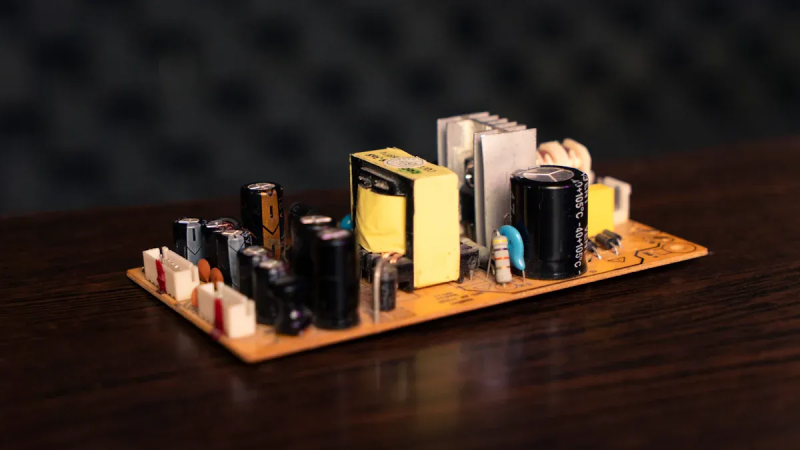
You use igbt induction heating technology as a modern solid-state electromagnetic heating method. Solid-state insulated gate bipolar transistors change normal wall-outlet AC power from 50 or 60 Hz into fast AC power between 20 kHz and 100 kHz. Advanced igbt technology powers this fast energy change inside modern equipment. Next, this high-frequency power flows right into an induction coil. The active coil creates a strong magnetic field that quickly makes contactless Joule heat inside target metal objects. Modern IGBT induction heating equipment gives exact digital control for your heavy heating tasks. By using top-notch igbt technology, you get maximum power speed while losing very little heat during hot metal processing jobs.
Key Takeaways
IGBT technology changes regular plug power into fast-moving electricity to heat up metal very quickly.
High-frequency magnetic fields create internal electrical currents that quickly generate heat inside target metals without touching them.
Modern IGBT machines give accurate heat control while cutting down on wasted energy and lowering electric bills.
Smart safety tools protect delicate electric parts from sudden jumps in power and voltage.
Plants and business kitchens use this tech to melt metals easily, shape hot iron, and heat pans directly.
What Is IGBT Induction Heating Technology?
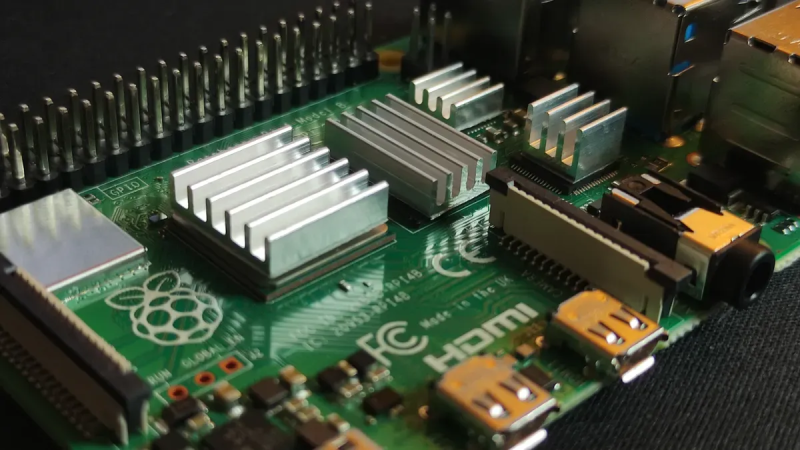
Today's factories depend on igbt induction heating technology to warm up metals fast. This machine relies on smart solid-state semiconductors to transform power well. You can easily control your metal heating work while cutting down on power bills.
The Role of Solid-State Semiconductors
In older power units, workers used clunky vacuum tubes and SCR switches. Those slow parts handled high power with poor efficiency. Modern systems run on igbt technology instead. An insulated gate bipolar transistor mixes the top features from two separate transistor designs. It combines the voltage-driven high input impedance of a MOSFET with the low saturation voltage of a BJT. This mixed setup enables quick, high-power switching inside your induction machine.
The voltage-controlled gate means the igbt needs very little drive power. At the same time, the collector pushes minority carriers to reduce voltage loss when heavy current flows. Advanced igbt technology drives big factory induction tools because it manages huge power loads without wasting energy. Canroon leads the way in making top-quality solid-state igbt power supplies. Their systems turn regular wall AC power into exact high-frequency energy. This steady power flow helps you run metal melting furnaces without bad power drops. Plant staff rely on these power boxes for smooth copper melting and steel melting jobs.
Resonant Inverter Architecture
Solid-state induction heaters use resonant inverter loops to make smooth high-frequency AC power. The inverter flips electric currents fast to push energy through your induction coil. You can pick from two main resonant inverter layouts depending on your melting goals.
Series resonant loops give you easy startup steps during quick brass melting tasks. Even so, big industrial melting plants usually pick parallel resonant inverters. Parallel setups adapt better to heavy power demands in large scrap melting pots. You get steady power flow even as your metal alloy melting batch changes heat inside the coil.
Canroon builds high-power supply units with this modern igbt technology. Their smart control systems tweak working frequencies automatically during tough iron melting jobs. This design sends reliable power straight into your aluminum melting tank. Trustworthy igbt technology guarantees top heating speeds during daily metal melting tasks. You shield sensitive circuit parts from dangerous power spikes while running heavy industrial melting jobs.
How the IGBT Heating Process Works
Electronic Stage: High-Speed AC Switching
You turn raw grid power into high-frequency alternating current through sequential power conversion steps:
A bridge rectifier converts 400 V to 660 V three-phase AC mains into a stable 500 V to 850 V DC bus smoothed by a DC-link capacitor.
High-speed switches built with igbt technology chop this steady DC bus at switching frequencies up to 50 kHz.
An LC tank resonant filter turns the chopped square waves into clean sinusoidal alternating current inside your induction coil.
This efficient conversion sequence supports reliable induction systems across industrial plants. Powerful 1,200-V igbt modules regulate high currents from 50 kW up to 6000 kW power capacity. Modern igbt technology limits switching energy losses below 50 kHz to shield sensitive power components. You gain accurate temperature control during continuous iron melting tasks. Advanced solid-state igbt technology prevents damaging voltage surges inside your power supply unit. Fine frequency control maintains precise temperature control during every copper melting run. You achieve rapid heating rates for heavy steel melting operations. Reliable igbt technology keeps your high-capacity aluminum melting lines running smoothly without unexpected pauses. An igbt switch cycles fast every second. Every igbt device operates with high electrical efficiency. Fast igbt components manage heavy loads. The igbt hardware maintains optimal performance under changing loads.
Electromagnetic Stage: Eddy Currents and Heat
High-frequency AC current creates a strong oscillating magnetic field around your work coil based on Faraday's Law. This dynamic field induces intense circulating eddy currents inside your induction workpiece. You generate localized heat through Joule power density, expressed as p = ρ J² in plain text. Total classical eddy-current loss follows the formula Pₑ = kₑ B_max² f² t² m, while total resistance heat loss follows P = I²R.
The induced current density decays exponentially from the surface as J(x) = J0 e^(-x/δ), where depth delta represents skin depth.
At one skin depth, current density drops to 37% of its surface value. Higher operating frequencies force eddy currents into a shallow surface shell. Copper exhibits a skin depth of 652 μm at 10 kHz, which decreases to 206 μm at 100 kHz. High magnetic permeability gives steel a much smaller skin depth than non-magnetic aluminum at matching frequencies.
You master induction melting during daily production runs. Specialized induction melting equipment transforms scrap metal into molten pools rapidly. Efficient induction melting accelerates manufacturing output. Every induction melting process relies on instant heat. Modern induction melting systems optimize power consumption cleanly. High-capacity induction melting delivers intense thermal energy directly to metallic charges. Consistent induction melting performance keeps your plant operating efficiently. Fast induction melting minimizes energy losses during operations. Precise induction melting controls safeguard working environments during hot processing. Industrial induction melting creates pure metallic alloys effortlessly.
You maintain accurate temperature control throughout every metal melting cycle. Rapid internal heating speeds up batch brass melting processes. Solid-state induction units deliver consistent power across demanding alloy melting tasks. You transition smoothly from basic scrap melting to final metal pouring. Controlled power density protects furnace linings during tough iron alloy melting jobs. Consistent electromagnetic induction heating yields superior thermal efficiency across all industrial melting tasks. Modern igbt technology maximizes energy transfer across every operational shift.
Advantages of IGBT Induction Heating Equipment
Modern factories use igbt induction heating equipment to boost total heating performance. You move electromagnetic energy directly into the metal item without touch. This direct power transfer raises factory output while reducing overall power usage.
High Thermal Efficiency and Energy Savings
Modern igbt technology delivers heat straight into metal workpieces. You stop big heat losses into the air during heavy jobs. High efficiency systems turn incoming electricity into useful heat very fast. This quick energy conversion boosts daily output and raises shop productivity. Modern plants achieve high efficiency across every heating job.
Fast processing speeds up production output during continuous melting schedules. Quick heating cycles raise shop productivity when melting scrap metal. Modern plants run steel melting furnaces continuously to maintain high overall output. Controlled heat speeds up iron melting and speeds up brass melting. Proper power use improves alloy melting while cutting down on energy waste. Controlled heat delivery speeds up aluminum melting while protecting machine parts. High output capacity increases metal melting volume and expands daily factory work. You lower running costs through this higher efficiency. Modern systems deliver high efficiency to boost your overall melting output.
Precise Power Control and Soft-Switching
Advanced igbt technology gives fast digital power control under changing work loads. Real-time heat sensors feed live data directly to your digital controller. You make instant setting changes to keep exact temperature control during delicate jobs. Instant closed-loop controls ensure fast response times throughout long production runs. Exact feedback loops ensure stable temperature control during copper melting steps. You keep strict temperature control to prevent heat damage during treatment cycles. High power accuracy improves total shop output and gives consistent product quality.
Modern igbt induction heating equipment uses smart soft-switching steps to protect internal circuit parts:
Forced-resonant soft-switching adjusts every cycle to keep great performance across changing electrical loads, voltages, and heat levels.
Soft-switching lowers switching energy losses inside each igbt module while cutting down harmful magnetic interference.
Lower rates of voltage rise let standard lower-cost parts achieve great working results.
This soft-switching method gives your igbt induction heating equipment strong physical protection. Modern igbt technology ensures stable power flow during heavy heating tasks. You protect sensitive circuit hardware from big voltage spikes during peak production times. Reliable igbt technology ensures long equipment lifespans with very little repair downtime. Modern solid-state igbt technology provides high efficiency across all tough factory work. Factory owners get higher productivity while keeping long-term maintenance costs very low.
Key Industrial and Commercial Applications
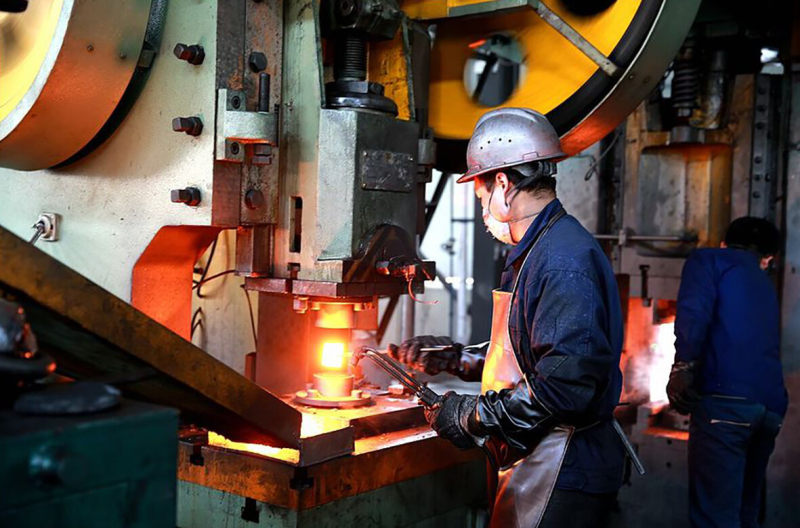
Industrial manufacturing relies heavily on modern heating technology for speed and precision. Heavy processing plants choose igbt induction heating equipment to maximize overall shop productivity.
Industrial Applications and Induction Melting
Factory operations use robust equipment across diverse heavy metal processing tasks. These core industrial applications include surface induction hardening, metal induction forging, seam welding, and induction annealing. Automotive, aerospace, and heavy machinery plants select an induction melting furnace for efficient melting during daily shifts. In addition, semiconductor manufacturing relies on these field real-world applications for precise wafer processing.
Foundries run a metal induction melting furnace to process raw metallic charges quickly. The induction hardening technique strengthens steel surfaces while keeping inner toughness. Workers apply induction forging to shape hot alloy bars safely. Modern solid-state igbt components deliver steady current into every induction coil. High thermal efficiency speeds up continuous metal melting operations. Rapid processing boosts plant output and raises daily productivity. Specialized systems ensure reliable iron melting and copper melting. Modern alloy melting systems achieve fast processing cycles. Pure scrap melting procedures reduce material waste. Clean metal melting routines protect operating environments.
Commercial Systems and Induction Cooking
Commercial kitchens use energy-saving systems for quick food preparation. Food service facilities install a modern induction heating cooktop to replace gas burners. Modern induction cooking appliances transfer direct electromagnetic energy straight into iron pots.
High efficiency cooking tech speeds up meal preparation while lowering heat loss. Restaurants pick an induction heating cooktop for precise thermal control. Daily operations benefit from rapid induction cooking speeds. Chef teams adopt an induction heating cooktop to improve kitchen safety. Overall commercial induction cooking adoption continues growing worldwide.
Canroon builds specialized units for demanding field real-world applications. Operators follow five steps during stress relieving:
Clean the weld area and attach sensors.
Heat the weld at a steady rate.
Hold the weld at the required temperature.
Cool the weld slowly.
Inspect the weld for defects.
Custom field tools improve maintenance productivity. On a North American oil pipeline, repair teams shortened encirclement sleeve repairs from 12 h to 4 h. That massive time saving boosts job site productivity. Pipeline crews apply targeted preheating before welding joint seams. Field workers complete stress relieving safely without open flames. These unique induction heating application designs enhance pipeline job productivity.
Today's factories use modern igbt technology to control power very fast. High-speed switching changes grid power into exact magnetic heat. You get fast heating speeds during every induction melting job. Factory workers swap old power tubes for smart igbt technology to smooth out daily production. Simple controls give you exact temperature control during long induction melting runs. Modern plants use induction melting to upgrade scrap melting and steel melting work. Clean induction melting speeds up heating times. Smart induction melting steps make factory workflow much better. Canroon supplies reliable igbt induction heating equipment for industrial needs worldwide. Advanced igbt technology powers strong tools across modern manufacturing plants. Smart igbt technology guarantees long-term working success.
FAQ
Why do you choose IGBT systems for induction melting?
You pick solid-state IGBT units because they flip power very fast. These smart setups supply useful heat through each induction melting step. Modern units upgrade your scrap induction melting tasks. You hold exact temperature control while finishing daily steel induction melting jobs safely.
What industrial applications rely on IGBT heating power?
You see many heavy factory tasks inside modern plants. Foundries run this setup for steady iron induction melting and brass induction melting. The machine offers quick heating speeds. You also gain better temperature control during delicate copper induction melting jobs.
How does IGBT power improve alloy induction melting performance?
IGBT power boxes shift working frequencies on their own. You reach smooth energy flow during hard alloy induction melting runs. Quick solid-state parts reduce total power waste. You boost daily metal induction melting output while shielding sensitive machine components from sudden power surges.
Can you use IGBT units in the field?
Yes, you can bring portable units to remote job sites. Workers carry out pipe preheating and weld stress relief quickly. These compact tools send steady heat right into target metals without open fires. You speed up field work while keeping work areas totally safe.
How does high-speed switching enhance clean induction melting?
Fast switching transforms DC power into quick AC current. You create fast internal heat through induced eddy currents. This method speeds up scrap induction melting cycles. You protect pure metal mixes during every clean induction melting job.
Sign up for updates