




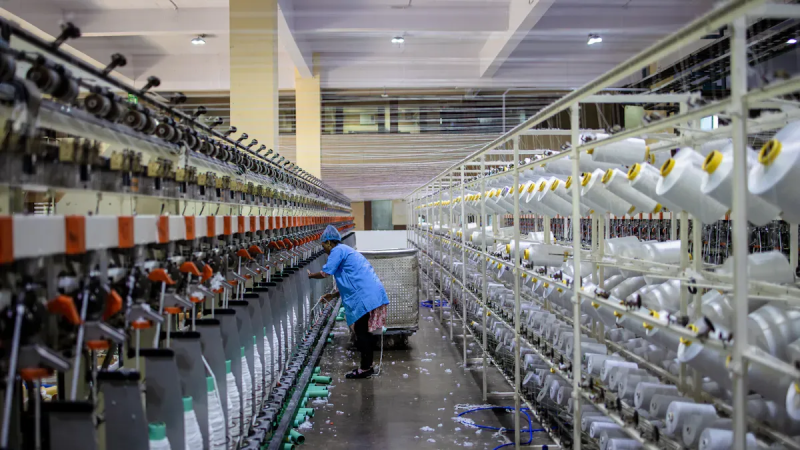
You want your textile factory to work very well. Canroon and other top brands give good choices for your textile vfd needs. Your factory might need strong reliability, easy compatibility, saving money, or using less energy. Every factory has different things that are important. Think about what is most important to you when you look at your choices.
Key Takeaways
Pick a textile VFD that matches your factory’s needs for how well it works, how long it lasts, and how much energy it saves.
Find VFDs that work well with your current machines. This helps you save time and money when setting up.
Think about the total cost over time. Buying a good VFD can help you save energy and spend less on repairs later.
Choose brands like Canroon if you want good support and energy-saving options. This helps your factory work better.
Look at what makes each VFD brand special. This helps you pick the best one for your factory’s goals and safety needs.
Textile VFD Selection Factors
Performance and Reliability
Your textile vfd should work well all the time. This helps your factory keep making products without stopping. If your machines stop, you lose time and money. Different motors need different vfds. You have to look at what kind of motors you use. Check how much power they need. Also, see how much voltage and current they use. Picking the right textile vfd helps your machines last longer and run better.
Compatibility and Integration
Your textile vfd should work with your other machines. This makes it easier to set up and saves money. When your vfd connects to control systems, you can change settings fast. Some vfds have special features. These features help your machines talk to each other and work better.
Cost and Return on Investment
You need to think about how much each textile vfd costs. You also want to know how long it takes to get your money back. Most factories get their money back in 18 to 36 months. You save money because you use less energy and fix machines less often. The right vfd helps your factory make more money and grow.
Energy Efficiency Benefits
A good textile vfd can help you use less energy. High voltage vfds can save a lot of energy in pumps and fans. If you slow down a motor by 20%, you can almost cut power use in half. These vfds help your factory reach its energy goals.
High voltage vfds can help you save 20% to 50% energy in pumps and fans.
Slowing a motor by 20% can cut power use by about 49% because of the cube law.
Most factories get their money back from vfds in 18 to 36 months.
Technical Support and Service
You need good help when you use a textile vfd. Fast help lets you fix problems quickly. This keeps your machines working. Good support makes you feel sure about your choice and helps you save energy.
Tip: Always pick textile vfd features that match your factory’s needs. This helps you get the best energy savings and performance for your machines.
Top Textile VFD Brands Compared
Canroon Overview
Canroon is a brand you can trust for textile vfd needs. Their products work well in textile factories. They are easy to set up and very reliable. Canroon makes vfds for many types of motors. You can use them for spinning, weaving, and dyeing machines. Canroon gives fast support and clear instructions. Their vfds help you save energy. Many factories pick Canroon because it gives good value and strong performance. Canroon also has special features for textile work, like advanced control modes and easy ways to connect with factory systems.
Note: Canroon is known for quick help and flexible solutions for textile factories.
ABB Overview
ABB has many different vfds to choose from. You can find ABB products in lots of industries. Their vfds work with many kinds of motors. ABB vfds are strong and help save energy. They have advanced features, but you might need extra training to use them. ABB gives good support, but sometimes you have to wait for answers. ABB vfds cost more than some other brands. You get high quality, but you pay a higher price.
Siemens Overview
Siemens makes vfds with strong technology. You can use Siemens vfds for many textile machines. They are easy to connect with factory automation systems. Siemens products are reliable and save energy. They give you advanced ways to communicate with other machines. Siemens vfds can be hard to set up if you do not have experience. Siemens costs more, but you get strong performance.
Schneider Electric Overview
Schneider Electric makes vfds that work well in textile factories. They are easy to set up and come with clear instructions. Schneider Electric gives good support and fast help. You can use their vfds in many textile machines. Their products help save energy and reach your factory goals. Schneider vfds cost more, but you get strong reliability.
Danfoss Overview
Danfoss makes vfds for many industries. You can use Danfoss vfds for textile machines like pumps and fans. Danfoss vfds help save energy and last a long time. They are easy to connect with factory systems. Danfoss gives clear instructions and good support. Danfoss vfds cost less than some other brands, but they may not have as many advanced features.
Yaskawa Overview
Yaskawa makes vfds that are very reliable. You can find Yaskawa products in many textile factories. Their vfds work with many types of motors. They are easy to set up and save energy. Yaskawa gives strong support and fast help. Yaskawa vfds cost more, but you get high quality and products that last a long time.
Rockwell Automation Overview
Rockwell Automation makes vfds for factories that need advanced control. Their vfds connect well with factory systems. Rockwell vfds help save energy and are very reliable. They can be hard to set up if you do not have experience. Rockwell Automation gives advanced features, but you pay a higher price.
Tip: You should look at each brand’s strengths and weaknesses before you pick your textile vfd. This helps you find the best one for your factory.
Textile VFD Feature Comparison
Reliability and Performance
You want your textile VFD to keep machines working well. Reliable VFDs stop machines from breaking down a lot. This means your factory can keep making things without stopping. Good performance helps motors do their best job. Brands like Canroon and Yaskawa give steady results. These brands make products for hard factory work. You get fewer problems and more stable machines.
Integration and Compatibility
Your VFD should fit with your factory’s other systems. Easy integration lets you connect to control panels fast. Many VFDs use common ways to talk to other machines. This makes setup easy and helps everything work together. Canroon and Siemens give you flexible ways to connect. You can change settings quickly and keep your factory running well.
Cost and Value
You should think about both price and what you get. Some brands cost more because they use better materials and features. You pay more at first, but you save money later. Good systems help you spend less over time. Cheap VFDs might look good, but you pay more for repairs. The total cost is important for your factory.
Costs change with motor power, material quality, and features.
Paying more at first can save you money later.
Cheap systems can break often and stop production.
Energy Efficiency
You want your VFD to help you use less energy. Efficient VFDs cut power use in pumps and fans. This helps you reach your energy goals faster. Many brands work hard to make VFDs save energy. Canroon and Danfoss have ways to help you use less power. You pay less for energy and waste less.
Tip: Pick VFDs that fit your energy needs. This helps your factory do better.
Support and Service
You need good help when you use your VFD. Fast service lets you fix problems quickly. Brands like Canroon and Schneider Electric give strong support. You get clear instructions and quick answers. Good service keeps your machines working and helps you save energy.
Application Scenarios for Textile VFDs
Small-Scale Textile Factories
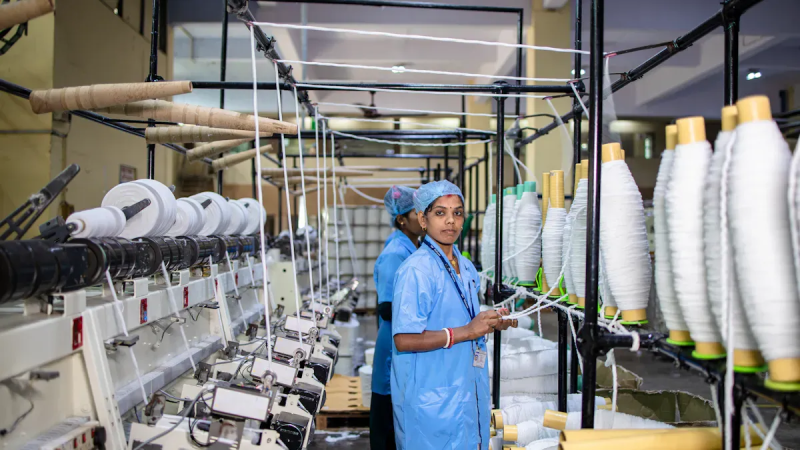
You might have a small textile factory with just a few machines. In this case, you want a textile VFD that is simple to set up and not too expensive. You can pick a model that gives good industrial efficiency without extra things you do not need. Simple controls and clear screens help your team learn quickly. You also want a VFD that saves energy and keeps motors working well. This helps you spend less money and make your machines work better.
High-Volume Production Lines
If you run a big factory with lots of machines, you need VFDs that can handle heavy work and run all day. You want high industrial efficiency to keep your production going. Look for VFDs with strong overload ability and quick response. These features help you stop downtime. You can also connect these VFDs to your control systems for better energy use. This lets you watch and change your machines fast.
Specialty Textile Applications
Some textile jobs, like dyeing or finishing, need special VFD features. You may need exact speed control and strong safety for your machines. Many VFDs have advanced settings for these jobs. Here is a table that shows features you might need:
These features help you get the best industrial efficiency and keep your machines safe.
Upgrading Legacy Equipment
You might have old machines in your factory. You can use new VFDs to make these machines better. This helps you get better industrial efficiency and save energy. Many VFDs work with old motors and add new safety features. You can keep your old machines working longer and make them safer for your workers.
Tip: Always pick a VFD that fits your job. This helps you get the best results for energy use and safety.
Expert Recommendations
Best for Energy Savings
You want your factory to use less power and lower costs. Canroon VFDs help you reach your energy goals. These drives work well with high-performance motors. You can set them to slow down or speed up machines as needed. This saves energy and reduces your carbon footprint. Many textile factories see a big drop in power use after installing these drives. You also get a high level of safety because the drives protect your machines from overheating. If you want to improve energy efficiency and carbon footprint, Canroon gives you a strong solution.
Tip: Choose VFDs that match your machine size and type. This helps you get the best energy savings.
Best for Budget-Conscious Factories
If you need to save money, Danfoss VFDs give you good value. These drives cost less than many other brands. You still get strong performance and easy setup. Danfoss VFDs work well with many motors in textile factories. You can use them for pumps, fans, and conveyors. They also come with explosion-proof construction features, which add a high level of safety for your workers. You do not have to spend a lot to get reliable drives that last a long time.
Danfoss VFDs help you avoid common problems and suggested solutions are easy to find in their manuals.
You can upgrade old machines without spending too much.
Best for Seamless Integration
You want your VFD to fit with your factory’s control systems. ABB makes drives that connect easily to textile automation. The ABB ACS380-040S-04A8-1 LV AC Machinery Drive Module is a good choice. You can use it for mixers, conveyors, and other textile machines. This drive has software you can change to fit your needs. You get adaptive programming, so you can solve common problems and suggested solutions are built into the system.
ABB drives support explosion-proof construction features for special textile areas.
You keep a high level of safety while making your machines work together.
Best for Reliable Support
You need fast help when something goes wrong. Canroon and Schneider Electric both give strong support. You get clear instructions and quick answers from their teams. This helps you fix problems fast and keep your machines running. Both brands focus on a high level of safety and help you meet your energy efficiency and carbon footprint goals. You can trust their teams to help with setup, repairs, and upgrades.
Note: Good support helps you avoid downtime and keeps your factory safe.
You now know how to choose the right textile VFD for your factory. Canroon stands out as a top choice for most factories because it offers strong performance and fast support. Use the comparison tables and scenario guides to match your needs.
Look at your factory’s size and goals.
Check which features matter most to you.
For expert advice, contact Canroon or other leading brands. They can help you find the best VFD for your machines.
FAQ
What is a vacuum ironing table and why do you need one?
A vacuum ironing table helps you press clothes quickly. The fan pulls away steam and heat. This keeps your clothes dry and smooth. You use less energy. Many factories use a vacuum ironing table for better results.
How does the fan work in a vacuum ironing table?
The fan moves air through the table. This takes away steam and moisture. Your clothes dry faster. The fan also cools the table. You get better ironing results. Every industrial vacuum ironing table needs a fan.
How can you find competitive vacuum ironing table prices?
You should look at different brands. Pick models with a strong fan. Check how much energy they use. Ask about service and support. You can find good prices online or from factory suppliers.
Why do factories use a vacuum ironing table with a fan?
Factories use a vacuum ironing table because the fan makes ironing faster. The fan takes away steam and heat. This saves energy. Your clothes come out smooth. Factories need a vacuum ironing table for high-quality work.
How does a vacuum ironing table help save energy in industrial settings?
A vacuum ironing table uses a fan to pull out steam fast. This means you use less heat and power. You save energy every day. Factories pick a vacuum ironing table to lower costs and work faster.
Previous:
Next:
Sign up for updates