




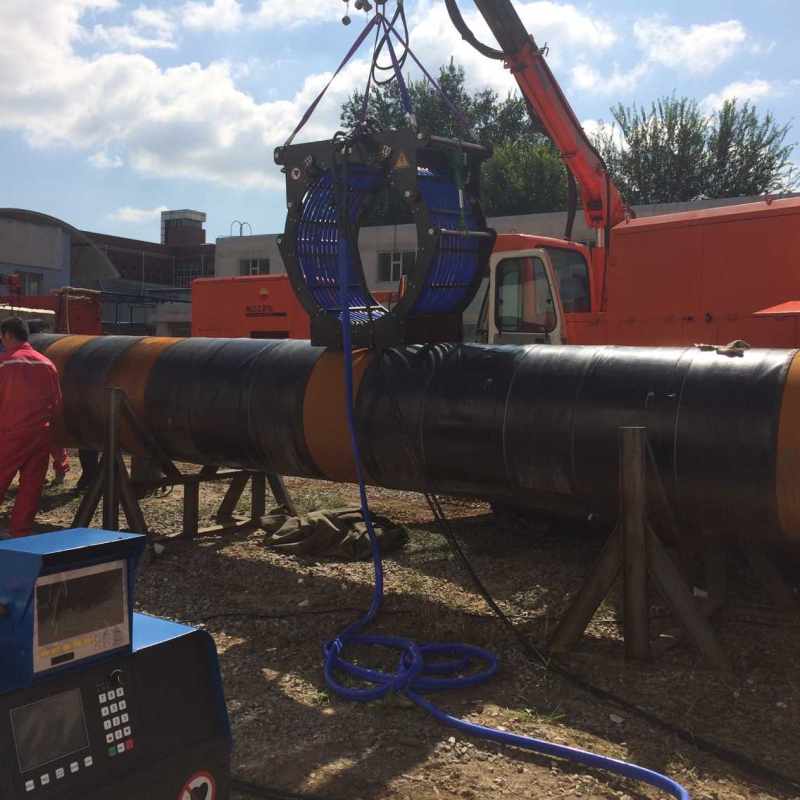
In an industry where precision and energy efficiency matter most, old heating methods fall short. Induction heating systems for pipe manufacturing change the game. This non-contact, electromagnetic process heats metal directly. You get lower energy use, faster processing, and better safety. Induction heating systems for pipe manufacturing focus energy exactly where you need it. No wasted heat. No open flames. Induction heating technology delivers steady results every cycle. You control temperature with precision. You reduce your carbon footprint. Induction heating technology fits with sustainability goals. Hands-free operation means less operator skill needed. Induction heating technology ensures repeatable quality. Induction heating technology offers cleaner working conditions. Induction heating technology improves workplace safety. Induction heating technology lowers operating costs. The tube and pipe industry benefits greatly. Induction heating systems for pipe manufacturing provide the precision you need. Induction heating systems for pipe manufacturing offer the efficiency you demand. This induction approach transforms your operations. Your pipe production improves dramatically.
Key Takeaways
Induction heating uses magnetic fields to warm metal directly, which saves energy and cuts costs.
This technology controls temperature exactly, so quality stays the same and waste is reduced.
Induction heating makes things safer because it removes open flames and lowers the chance of burns.
It makes production faster, letting plants make thousands of pipes daily instead of hundreds.
Most factories get back their money in under two years because they pay less for energy and make more products.
Induction Heating Systems for Pipe Manufacturing: Key Advantages
Energy Efficiency and Sustainability
You always need to lower energy costs and meet green goals. Induction heating technology does both well. Furnaces heat the air around the metal, but induction heating works right on the metal. The electromagnetic field makes heat inside the workpiece, not around it. This no-touch method stops heat loss completely. You put energy only where you need it. Nothing is wasted.
The numbers show a clear story. Induction heating technology turns over 90% of input energy into useful heat inside the metal. Old methods lose much of that energy to the air. This efficiency means lower power bills and a smaller carbon footprint. For plant managers watching green metrics, induction heating technology fits perfectly with company eco-goals.
Think about the cost difference. Old heating systems may need up to 90,000 watts of power to weld large pipes. If a heating element burns out during that job, the weak spot appears in the weld. This can cause defects and safety risks. Induction heating technology avoids this problem completely. You keep the welded joint strong without any risk of element failure.
The full picture makes the choice clear:
Precision and Repeatability
You need the same results every batch. Induction heating technology gives you that. The hands-free setup removes the need for operator skill. You set the settings once, and the system repeats them perfectly each time. No guessing. No changes.
The precision starts with the coils. You can shape coils to heat specific parts of the tube. This gives even heating and stops overheating. For jobs that need exact temperature patterns, induction heating technology offers control that old methods cannot match.
Speed adds to these benefits. Induction heating technology heats tubes and pipes much faster than furnaces or ovens. You cut heating time and boost output. Faster cycles mean more product from the same space. Quick heating also improves quality by cutting the time metal stays hot, reducing rust and scale.
The repeatability factor matters a lot. Exact control gives steady results across batches, ensuring high quality and cutting rework. You save money on materials and labor. You also lower waste. When you compare induction to far-infrared resistance heating, induction is simpler, more efficient, and cuts labor and material costs.
For welding, this precision is even more important. The focused heating treats only the weld area, leaving nearby metal untouched. You keep the metal's strength where it counts. The result is a stronger, more reliable final product.
Induction heating technology also offers flexibility. You can heat specific sections or whole pipelines without big changes. Multi-position coils allow heating several spots at once for faster work. This adaptability makes induction useful for many production setups.
The main point is simple. Induction heating technology gives you exact, repeatable, and efficient heating for your pipe making. You cut energy use, boost product quality, and lower running costs. These benefits grow over time, making induction a smart choice for any modern plant.
Practical Applications in Pipe Manufacturing
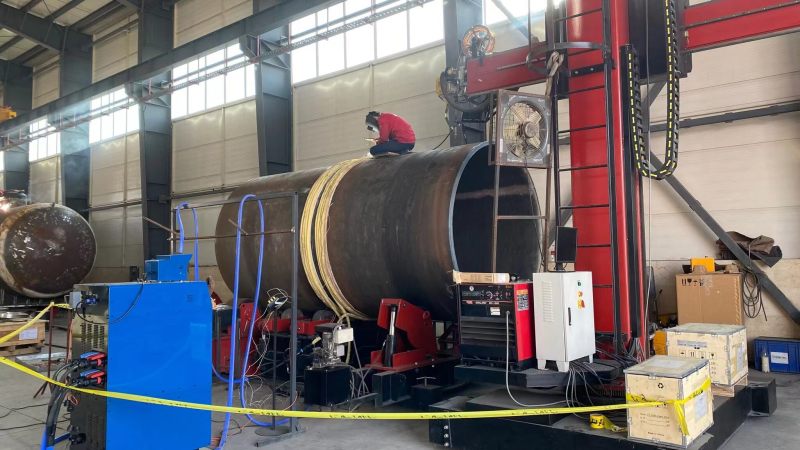
Preheating and Drying Processes
You have a constant problem: moisture on pipes before blasting or coating. Induction heating fixes this quickly. The electromagnetic field creates heat inside the metal. It dries moisture in seconds, not minutes. You remove the waiting time that slows your line.
The uses go beyond drying. Induction heating handles high-speed annealing of copper tubes easily. You can also use it for selective heating. This includes stress relief of welds and bends, brazing, tube parting, and coating prep. One system replaces many heating methods in your plant.
Preheating pipes before coating shows the value. Whether you use metallic coatings like galvanizing or nonmetallic like polymer and epoxy, induction prepares the surface. You get better adhesion and longer-lasting coatings. The metal reaches the exact temperature your coating needs.
The performance gains are clear. Continuous in-line processing runs at 200–500 m/min. This greatly increases output. You also avoid mechanical damage because the method does not touch the pipe. Optimizing frequency improves electrical efficiency by 10–16%. This directly lowers your costs.
Post-Weld Heat Treatment and Bending
Welding creates stresses that weaken pipes. Induction heating gives targeted post-weld heat treatment. It relieves these stresses without affecting nearby metal. You heat only the weld zone. This keeps the base material's strength. The result is a stronger, more reliable product.
Bending also benefits from induction heating. Multi-position coils heat several sections at once. This speeds up the forming process. You can heat specific sections or whole pipelines. You do not need big changes to your setup. This flexibility works for small batches and high-volume production.
The precision of induction gives measurable quality gains. In a test on steel pipes, thermocouple readings showed a uniform temperature ring moving at constant speed. This stable heating made a 10 mm thick steel pipe with a strength of 1,400 MPa. You get high performance that old methods cannot match.
"Key benefits include energy savings, lower costs than gas furnaces, exact temperature control to reduce damage, and fast heating cycles that boost output and line efficiency."
The production data backs this up. Steel pipes reach quenching temperature in minutes with induction. Old gas or resistance furnaces take hours. Advanced feedback systems monitor and adjust power in real time. This stops overheating or underheating. You get consistent hardness and structure in every batch.
Induction heating works with many materials like carbon steel, stainless steel, and alloy steel. You adjust coil design, frequency, and power for different pipe sizes. Energy conversion efficiency is over 90%. There are no open flames or combustion gases. You cut CO₂/SO₂ emissions and costs at the same time. The technology fits your specific needs. It is a practical choice for modern pipe making.
Safety Protocols and Maintenance Best Practices
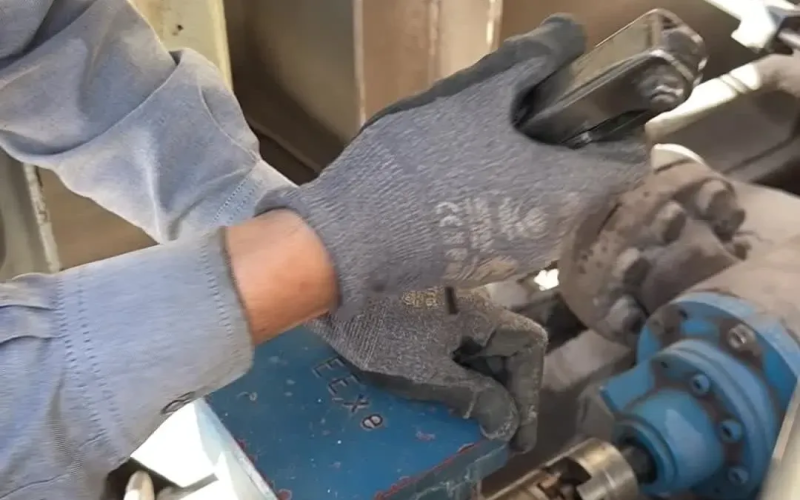
Ensuring Operator Safety
Safety is a top priority on your plant floor. Induction heating gives you a much safer way to heat metal. Because it does not touch the material, burn risks drop. You remove open flames and hot surfaces. This makes the workplace far safer.
Your workers get many built-in safety features. Barriers and guards stop accidental contact with hot parts. Ground fault protection shuts off power if current leaks. Emergency stop buttons cut power right away. Thermal systems watch temperature at all times. Automatic shutdown prevents burns and fires. Cooling monitors catch coolant flow problems. EMF shielding protects workers with medical devices. These features make induction a clear pick for safety-focused plants.
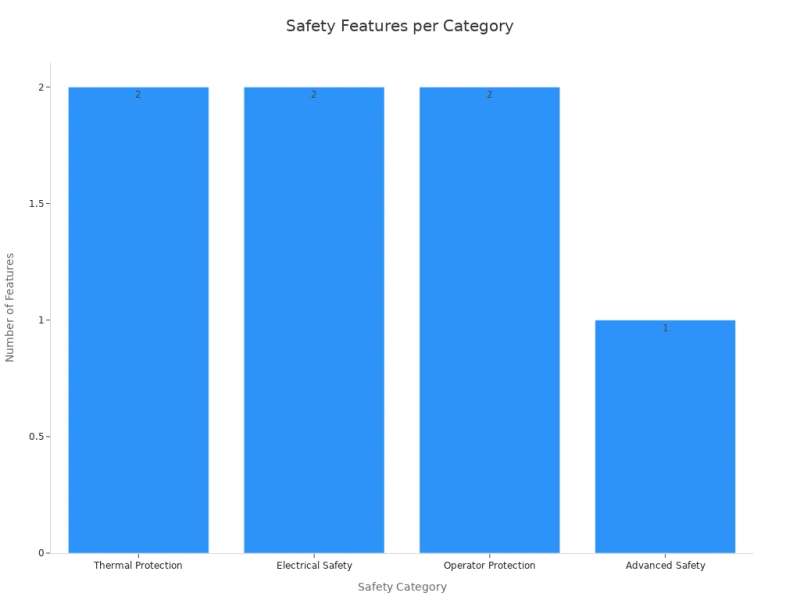
Induction heating creates a safer work area. This lowers accident risk and boosts worker confidence. Choosing induction means caring for your team. It also cuts downtime, which helps your profits.
Routine Maintenance for Longevity
Regular upkeep keeps your system running well. Managing heat is a key practice. Check cooling water conductivity weekly to prevent damage.
Check cooling water conductivity weekly to maintain proper levels.
Check daily for arcing marks, loose flux concentrators, and water leaks. Weekly, clean the coil with mild soap and a plastic brush. Never use wire brushes. Monthly, check alignment and look for copper cracks. With proper care, coils can last for many cycles. Replace coils if you see fraying, discoloration, or lower efficiency. The precision of induction reduces wear on nearby parts. This extends the life of your whole system.
Plan regular maintenance visits. Inspect coils, power supplies, cooling systems, and electrical connections. Test safety systems and review performance. This keeps the system working as designed. Induction needs little upkeep. But routine checks are vital for long-term efficiency. Proper care gives you the best return on investment. You can rely on induction for steady results.
Real-World Impact: Canroon's Solutions in Action
Case Study: Boosting Throughput in a Pipe Mill
Think about a mid-sized pipe mill that had slow heating cycles. Their gas furnace took hours to heat up. They switched to Canroon's induction heating technology. Results showed up fast. Cycle times dropped significantly. Energy costs fell by approximately 30%. The mill now makes several thousand pipes each day instead of just a few hundred.
The key is how induction heating works. It heats metal directly using electromagnetic fields. There is no waiting for a furnace to warm up. No heat escapes into the air around it. You turn on the system, and the pipe heats right away. This speed changes your whole production line.
The mill also saw better quality. Temperature control became exact. Every pipe got the same heating pattern. Defect rates went down noticeably. Operators needed less training because the system runs on its own. You set the controls once, and the system repeats them perfectly every time.
Measuring ROI and Performance Metrics
You need clear numbers to justify buying new equipment. Several key performance indicators help you judge induction heating technology. These include efficiency, how easy it is to set up, low running costs, and less energy use. You also check the quality of the heated metal, looking for low decarburization and minimal scale buildup.
Temperature control accuracy matters a lot. Current closed-loop induction systems minimize temperature overshoot for precise control. Cutting this overshoot is key for precise thermal control, especially in high-precision manufacturing. Canroon's systems use advanced control methods to keep overshoot within safe limits.
Advanced feedback systems monitor and adjust power in real time, eliminating overheating and underheating.
During tests, thermal uniformity was excellent, with minimal temperature variation. The process proved steady and repeatable across many trials.
Your payback period depends on your current energy costs and how much you produce. Most plants see a return on investment within a reasonable period. Canroon offers custom induction heating solutions for different pipe manufacturing needs. You get a system built for your specific pipe sizes and production rates. The result is a clear return on investment that grows each year.
Induction heating technology changes how you work. You get lower energy use, safer work, and more output. It gives you exact and repeatable results. It cuts your carbon footprint. It gets rid of open flames. It reduces running costs. It makes better products. It works well in modern production lines. It keeps getting better.
Future trends make this even stronger:
High power and high frequency devices heat thick-walled pipes better.
Low loss and high power factor methods cut energy waste.
Smart and combined systems boost automation and reliability.
More uses help weld different metal pipes.
This induction method is not just a trend. It offers a lasting investment. Check your current heating methods. Think about switching to Canroon's advanced systems. Ready to improve your pipe making? Contact Canroon today to talk.
FAQ
How does induction heating technology compare to gas furnaces?
Induction heating technology uses electromagnetic fields to heat metal directly. Gas furnaces heat the air around the metal instead. This method gives you more than 90% energy efficiency. No heat gets wasted. Your energy costs go down a lot.
What safety features do induction heating systems include?
Induction heating systems have ground fault protection and emergency stop buttons. They also use thermal monitoring and automatic shutdown. EMF shielding keeps workers with medical devices safe. Induction heating technology gets rid of open flames.
How long does a return on investment take?
Most plants get their money back within a reasonable period. Induction heating technology cuts energy costs by about 30%. Cycle times go down significantly. You get more output with lower costs. Induction heating technology keeps saving you money.
Can induction heating technology work with different pipe materials?
Yes. Induction heating technology works with carbon steel, stainless steel, and alloy steel. You change the coil design and frequency for different pipe sizes. Induction heating technology fits your needs. You get the same results every time.
What maintenance does an induction heating system need?
Induction heating technology needs very little maintenance. Check coils every day for arcing or leaks. Clean coils each week with mild soap. Watch the water conductivity in the cooling system. Induction heating technology stays efficient with regular checks. The induction method saves you time.
Sign up for updates