




Induction straightening uses electromagnetic fields to heat metal without touching it. You apply heat directly inside the steel, which relieves internal stresses that cause warping. This no-touch method fixes bends with amazing accuracy.
Compared to old-style flame straightening, induction heating works faster and gives you better control. You can heat exact spots on a part without harming nearby material. This precision matters a lot in shipbuilding, where deck plates must line up perfectly, and in car making, where even small twists affect safety.
The straightening process depends on controlled heat expansion. As you heat a specific area, the metal expands, then shrinks as it cools, pulling the part back into shape. This induction method gives steady results, and the process stays clean and repeatable.
Key Takeaways
Induction straightening uses magnets to heat metal without touching it, fixing bends exactly.
This method works faster and cleaner than old flame straightening, saving energy and reducing waste.
You can use induction straightening on steel parts like ship decks, car frames, and machine shafts.
The process takes training and costs more at first, but it pays off with less rework and better quality.
What Is Induction Straightening?
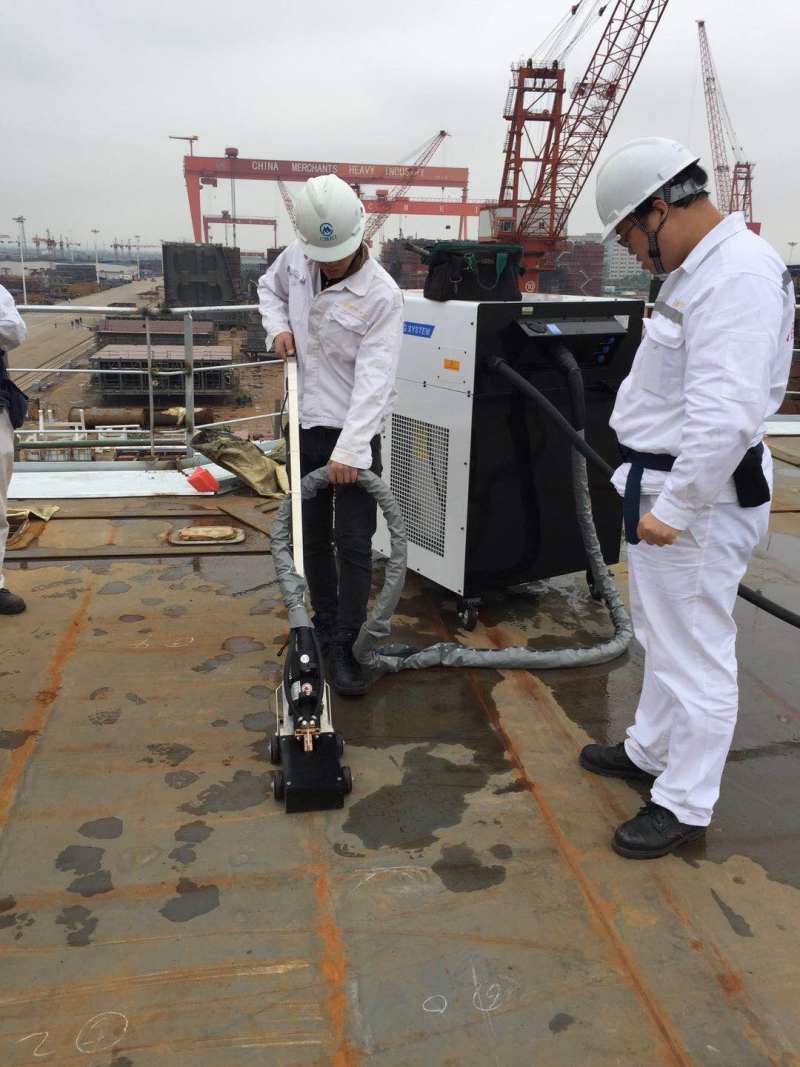
Induction straightening is a way to fix bent metal without touching it. It uses electromagnetic fields to heat the metal and correct its shape. The heat goes right inside the steel itself. This internal heating eases internal stresses and helps pull the part back into shape. Unlike flame straightening, no open flame ever touches the workpiece. You get faster cycles and more consistent results.
The Core Mechanism of Induction Heating
An induction coil carries a high-frequency alternating current. This current creates a magnetic field that changes direction rapidly. Electromagnetic induction is the principle behind this. When you place a steel workpiece inside this field, eddy currents form in the metal. These currents flow in closed loops near the surface. This is the skin effect. The current density drops as you go deeper. At the standard reference depth (δ), the current density equals 37% of its surface value. The I²R losses turn electrical energy into heat. Since power is proportional to current squared, roughly 86% of total heat stays within the first reference depth.
You control the heating depth by choosing the right frequency. Higher frequency means shallower penetration. Lower frequency reaches deeper into the part. The table below shows typical frequency ranges and their applications:
For steel plates in shipbuilding, induction heating systems use frequencies around 50 Hz. The ENRX Terac induction heating system uses 50 Hz as its standard operating frequency. This deep penetration suits thick deck plates.
Other factors also affect penetration depth. Higher resistivity in the metal gives deeper penetration. Higher magnetic permeability gives shallower penetration. For magnetic steel below the Curie point (about 770°C for steel), the penetration depth can be 20 times smaller than for non-magnetic steel. Above the Curie point, the depth increases dramatically.
Stress Relief and Deformation Correction
Localized heating from induction heating relieves residual stresses through two main mechanisms. The first is microstructural recovery. The elevated temperature allows dislocations in the crystal lattice to rearrange and annihilate. This reduces internal strain. The second mechanism involves creep processes. At high temperatures, time-dependent deformation occurs through dislocation glide and dislocation climb. These movements enable plastic flow that redistributes and relieves the locked-in stresses.
Localized heating relieves residual stresses by allowing plastic deformation and realignment of the microstructure, particularly in steel structures. This enables the material to relax internal locked-in stresses.
The controlled thermal cycle for straightening has three stages: heating from ambient to elevated temperature, holding at temperature, and slow cooling. As the metal heats, it expands. As it cools, it contracts. This controlled expansion and contraction pulls the part back into shape. You get predictable results with less distortion than flame methods.
Induction heating offers up to 40% greater energy efficiency compared to flame straightening. It also uses zero flammable gases. The work environment stays cleaner and safer with no open flame. This straightening method gives you repeatable results with less rework.
How Induction Heating Works
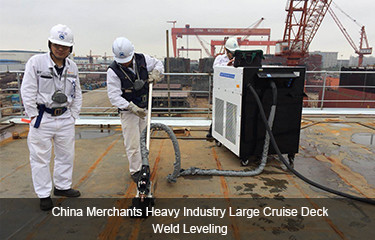
The induction heating process starts when you put a metal workpiece inside an induction coil. The coil carries alternating current that creates a quickly changing magnetic field. This field makes eddy currents inside the metal. These currents create heat through electrical resistance. The heat forms directly within the workpiece, not on its surface from an external flame.
The Science of Thermal Expansion
When metal heats, its atoms vibrate more strongly. This increased vibration makes the material expand. In a localized heated zone, this expansion pushes surrounding material outward. Upon cooling, the heated zone contracts more than it originally expanded. This contraction creates internal stresses that pull the metal inward. The surrounding cooler material resists this movement, allowing controlled deformation without affecting the broader area.
This principle forms the foundation of induction straightening. You control the heating zone precisely, so the expansion and contraction occur exactly where you need correction. The depth of heating depends on the frequency you select. Higher frequencies heat only the surface layer. Lower frequencies penetrate deeper into thick sections. For ship deck plates, systems like the EFD Induction Terac use 50 Hz to achieve deep penetration. This frequency suits thick steel plates that require substantial correction.
Step-by-Step Straightening Process
The straightening process follows a clear sequence. First, you position the workpiece within the induction coil. The coil shape matches the part geometry, ensuring optimal coupling. Canroon designs customized inductors for specific workpiece shapes. This customization ensures the electromagnetic field couples efficiently to the part.
Second, you set the heating parameters. Modern systems offer precise control over temperature and power. The table below shows the control modes available:
An infrared pyrometer provides real-time temperature feedback. The advanced temperature control system automatically adjusts parameters to maintain high precision.
Third, you apply heat to the deformed area. The power output depends on your system. The Powerduction 160LG delivers 16kW for heavy-duty repair work. The EFD Induction Terac system offers 25kW or 40kW generator options for deck and bulkhead straightening. These power levels heat the metal quickly and efficiently.
Fourth, you monitor the expansion. As the metal heats, you watch for the desired deformation correction. The controlled heating allows you to make incremental adjustments. You can heat, cool slightly, and reheat as needed.
Finally, you allow controlled cooling. The metal contracts as it cools, locking in the corrected shape. This cooling phase requires patience. Rushing it can introduce new stresses.
Understanding how induction heating works helps you appreciate its advantages. The precise control over heating zones and temperatures makes induction straightening superior to flame methods. You achieve consistent results with minimal rework. The process remains clean, safe, and repeatable for production environments.
Materials, Applications, and Industry Use Cases
Suitable Metals and Component Types
You can use induction straightening on several metals. Steel works best because it is magnetic. Its magnetic properties boost the heating effect below the Curie point. Stainless steel also works, but you need different frequency settings. Aluminum alloys are harder because they conduct heat fast and have lower resistivity. You can still straighten them with careful power control.
Common parts include shafts, rails, and structural beams. A bent drive shaft in industrial machinery gets fixed without removing it from the housing. Railway rails twist from heavy loads over time. You can straighten them in place with portable induction systems. Structural steel beams in buildings often warp during welding. Induction heating fixes these deformations with precision.
The thickness of your workpiece sets the frequency you pick. Thick steel plates need lower frequencies around 50 Hz for deep penetration. Thin sheets need higher frequencies to avoid overheating the surface. You match the coil shape to the part geometry for efficient energy transfer. Canroon designs custom inductors that fit specific part shapes, ensuring good coupling.
Shipbuilding and Heavy Machinery Applications
Shipbuilding depends heavily on induction straightening. Deck plates and bulkheads must line up perfectly for structural strength. The EFD Induction Terac system runs at 50 Hz, making it perfect for thick steel plates. You can fix warped sections without weakening the surrounding material. The process creates less oxidation than flame methods, keeping the plate's surface quality.
Heavy machinery repair also gains from this technology. The Powerduction 160LG delivers 16kW for tough repair jobs. You can straighten excavator arms, press frames, and crane rails with accuracy. The controlled heating prevents metallurgical damage that torch methods often cause.
Induction heating for straightening serves many industries. Shipbuilding uses it on decks and bulkheads. Construction companies straighten steel beams on site. The railway industry applies it to locomotives and rolling stock for heavy goods transport.
Automotive manufacturing uses induction straightening for chassis parts and body panels. You get tighter tolerances than hammer-and-dolly methods allow. The process cuts rework and speeds up production lines. Canroon provides systems that fit into automated manufacturing cells, giving you steady results every cycle.
The versatility of induction makes it useful across sectors. You get the same precision whether straightening a small shaft or a massive ship deck. The technology adapts to your specific application through frequency and power adjustments.
Advantages and Limitations Compared to Other Methods
Why Choose Induction Over Traditional Methods
You have two common alternatives to induction straightening: hydraulic presses and oxy-acetylene torches. Hydraulic presses use raw mechanical force to bend metal back into shape. This method often creates new stresses or harms the surface. Oxy-acetylene torches use open flames that heat wide areas unevenly. You get less control and more oxidation on the workpiece.
Induction heating changes this picture completely. You create heat directly inside the metal without any flame touching the surface. This means minimal oxidation and a cleaner work area. The straightening process works faster than flame methods because you can target exact spots with precision. You also avoid the safety risks that come with flammable gases.
The energy efficiency of induction heating stands out. You waste less heat on surrounding areas, so more energy goes into the metal itself. This efficiency leads to shorter cycle times and less rework. For production environments, these savings add up quickly across many parts.
Challenges and Constraints to Consider
The biggest barrier remains the initial investment. Advanced coil straightening equipment requires substantial capital. Small and medium-sized enterprises often struggle with these upfront costs. You also face higher energy consumption per cycle compared to some alternatives. Additional quality control measures may add to your operating expenses.
You need skilled operators to run these systems effectively. The training covers several critical areas:
Safe operation of the induction heating system, including hazard awareness and emergency procedures
Setup for productivity, covering workpiece positioning and parameter adjustment
Maintenance routines that prevent costly breakdowns
Advanced lessons on inductor design for deeper understanding
This expertise requirement poses challenges in regions with technical talent shortages. You must factor training costs into your budget.
Very thick or complex geometries also present straightening difficulties. Deep penetration requires lower frequencies, but extremely thick sections may exceed practical heating depths. Complex shapes need custom inductors, which add cost and lead time. You should evaluate your specific parts against these constraints before committing to this straightening method.
Despite these challenges, the precision and repeatability make this straightening method worthwhile for many applications. You get consistent results that reduce scrap and rework over time.
Induction straightening offers you a precise, efficient, and safe path to correct metal distortion. The core mechanism relies on localized heating and controlled cooling. You heat specific zones, then let them contract naturally to pull parts back into shape.
While upfront costs exceed traditional methods, long-term benefits in speed and quality prove significant. You reduce rework and achieve consistent results across every cycle.
Advancements in induction heating technology, like those from Canroon, make this process more accessible than ever. You gain better control and lower energy consumption with each new system generation.
Consider induction heating for your manufacturing or repair needs. The precision and repeatability will transform how you handle deformed metal components.
FAQ
How long does induction straightening take compared to flame methods?
Induction straightening greatly cuts cycle time. A typical correction takes minutes, not hours. You heat the exact spot, watch the metal move, and then cool it. There is no warm-up period. The process starts working right away. Your production line keeps moving without long delays.
Can induction straightening damage the metal?
No, induction straightening keeps the metal's properties safe when you control temperature correctly. You use pyrometers to monitor the heat. You stay below the temperatures that change the metal's structure. Unlike flame methods, you avoid overheating and oxidation. Your metal keeps its strength and quality. The process actually removes leftover stresses instead of making new ones.
What metals work best with induction straightening?
Steel works best with induction straightening because it is magnetic. Stainless steel works with adjusted frequencies. Aluminum alloys need careful power control because they conduct heat well. You can straighten shafts, rails, beams, and plates. The technology adapts to your part's shape with custom inductors.
Do you need special training to operate induction straightening equipment?
Yes, you need proper training for induction straightening systems. You learn safe operation, hazard awareness, and emergency steps. You practice putting the workpiece in place and adjusting settings. You study maintenance routines that stop breakdowns. Advanced lessons cover inductor design. Skilled operators get steady results with less rework.
Is induction straightening cost-effective for small workshops?
The first cost of induction straightening is higher than traditional tools. But you save money over time through less rework and faster cycles. You stop buying flammable gas. You get cleaner results with less scrap. For workshops that do many straightening jobs, the payback time is reasonable. You gain precision that builds customer trust.
Sign up for updates