




When you look for a high frequency induction heater in 2026, you must pick one that fits your needs. The market is getting bigger. Experts think it will be worth $372 million in 2025. By 2028, it may reach $445.67 million. You should pay attention to these decision factors:
Canroon is a brand people trust. You should think about what you need now and what you might need later for the best choice.
Key Takeaways
Pick the right frequency for your material. High frequencies are good for thin parts. Low frequencies are better for thick materials.
Think about the size and shape of your workpiece. Big parts need low frequencies for deep heating. Small parts need high frequencies for fast heating.
Check how much power you need for your job. You need more power for melting or big parts. Small parts do not need as much power.
Make sure your induction heater has safety features. New machines protect against getting too hot and electrical problems.
Think about how much the heater will cost over time. Look at the price, how much it costs to fix, and how much energy it uses. This helps you make a smart choice.
Key Factors for Buyers
Application and Material
You need to pick a heater that matches your job and the material. Some metals heat up faster with induction heating. Ferromagnetic metals like steel and cast iron get hot quickly. Non-ferromagnetic metals like copper and aluminum need special settings to work. Glass and ceramics do not heat up by themselves. You can heat them if you use a metal holder.
A high frequency induction heater can melt gold, silver, and copper. It can also heat steel wires and anneal small shafts. You can use it for brazing saw blades and melting metal powders.
Workpiece Size and Layout
The size and shape of your part change how the heater works. Small parts need higher frequencies for quick, shallow heating. Big or thick parts need lower frequencies for deep heating. You should also think about how the part moves near the coil. The coil must fit the part and let it move without touching. A good coil design helps heat the part evenly.
Tip: Make sure your coil fits your part for even heating and safety.
Power and Frequency Needs
You need to pick the right power and frequency for your job. Small and thin parts use less power. Big parts or melting jobs need more power. The frequency decides how deep the heat goes. High frequencies heat the surface. Low frequencies heat deeper. Most industrial high frequency induction heaters have power from 10 to 200 kW and frequencies from 30 to 150 kHz.
You should check your part and process before you choose a high frequency induction heater. This helps you get good results and saves energy.
How High Frequency Induction Heaters Work
Induction Heating Principles
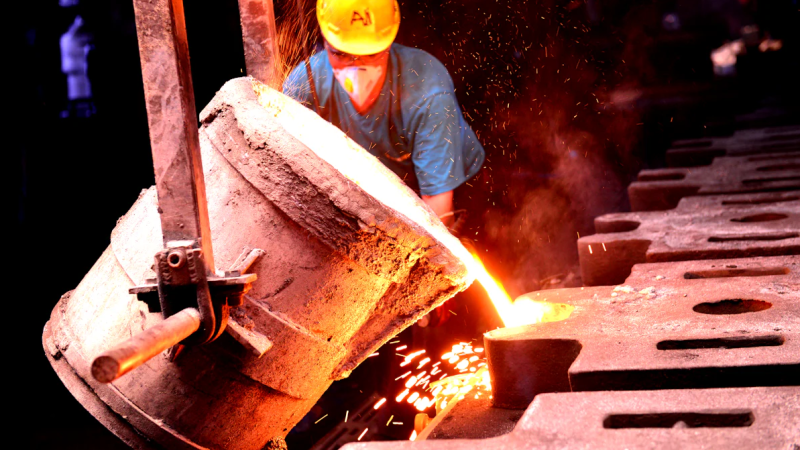
A high frequency induction heater can warm metal without touching it. First, a coil gets electricity that changes direction quickly. This makes a magnetic field around the coil. When you put metal inside the coil, the magnetic field goes through the metal. The metal makes its own electric currents called eddy currents. These currents move inside the metal and make it hot. The metal gets hot because it resists the currents. The resistance turns electricity into heat.
The coil gets electricity and makes a magnetic field.
The magnetic field causes currents in the metal.
The metal gets hot because it resists these currents.
High frequencies keep the heat near the surface. Lower frequencies send heat deeper into the metal. Pick the right frequency for your part size and how deep you want the heat.
Eddy Current and Hysteresis Effects
Eddy currents are important for heating metal. When the magnetic field changes fast, strong eddy currents form in the metal. These currents meet resistance and make heat. Magnetic metals like steel have another effect called hysteresis. When the metal’s magnetism changes directions, it causes friction inside. This friction makes even more heat.
Eddy currents happen in metals and make heat.
Hysteresis losses happen in magnetic metals when magnetism changes.
The heat depends on the part’s size, type, and the current’s frequency.
Higher frequencies make more heat, especially in small or thin parts. Magnetic metals heat up faster because both eddy currents and hysteresis work together.
Power Supply and Control
A high frequency induction heater has several main parts to control heating. The power supply starts with a rectifier. This part changes wall power from AC to DC. Then, the inverter turns DC back into AC at the needed frequency. The output circuit controls how power goes to the coil. The control system checks the process and changes settings for safety and accuracy. Many heaters use microcontrollers for better control.
You can change the power and frequency to fit your job. This lets you control how fast and how deep the metal heats.
Types and Applications
Portable vs. Stationary
You can pick a portable or stationary high frequency induction heater. Portable models are good if you need to move them or have little space. Stationary units are better for big workshops where you heat many parts in one spot. The table below shows how they are different:
Tip: If you need to heat parts in different places, a portable unit saves time and work.
Industrial Uses
High frequency induction heaters are used in many industries. These machines heat metal fast and save energy. People use them for:
Heating whole billets for hot stamping in car part factories
Surface hardening for military vehicles and weapon parts
Making cars more reliable in regular factories
You get quick and efficient heating. You do not have to wait for preheating. You also use less energy and finish faster.
Surface Heating and Depth
You can change how deep the heat goes by changing the frequency. Higher frequencies heat the surface fast. This is good for jobs like brazing or surface hardening. Lower frequencies send heat deeper into the metal. This is needed for forging or melting.
Higher frequencies make the heat stay near the surface.
Lower frequencies let the heat go deeper inside the part.
Higher frequencies heat things faster. This helps when you need quick jobs.
A high frequency induction heater lets you pick the right heating depth for your job.
Choosing a High Frequency Induction Heater
Safety and Efficiency
You want your high frequency induction heater to be safe and reliable. Modern machines come with many safety features. These features protect you, your team, and your equipment. When you choose a heater, look for these important safety systems:
Electrical protection for overcurrent, overvoltage, and undervoltage
Cooling systems that stop the machine from overheating
Safety measures on the control panel to prevent mistakes
These features help you avoid accidents and keep your work running smoothly. Efficient heaters also save energy. They heat metal quickly and use less power. This means you spend less money on electricity and finish jobs faster. You should always check the safety and efficiency ratings before you buy.
Tip: Always read the user manual and follow safety instructions. This keeps you and your team safe.
Cost and Value
You need to think about both the price and the value you get. High frequency induction heaters come in many sizes and power levels. The price changes based on how much power you need and what features you want.
You should not only look at the price tag. Think about how much you will use the heater and how long it will last. A more expensive model may save you money over time if it uses less energy or needs fewer repairs. You should also check if the company offers good support and a warranty.
Note: A high frequency induction heater is an investment. Choose one that fits your needs now and can grow with your business.
Workspace Requirements
You need to make sure your workspace fits the heater you choose. Some high frequency induction heaters are large and need a fixed spot. Others are small and portable. Before you buy, measure your workspace. Check if you have enough room for the heater, the coil, and the parts you want to heat.
Make sure you have good ventilation for cooling.
Leave space around the heater for safety and easy access.
Check if your power supply matches the heater’s needs.
If you plan to move the heater, pick a portable model. If you work with big parts or need high power, a stationary model may work better. Always plan your workspace before you buy.
Tip: Organize your tools and parts near your heater. This helps you work faster and safer.
Compare Models
Quality and Brand (Canroon)
When you look at different models, check the quality and brand. Some heaters are better for careful jobs. Others are good for deep heating or cost less money. The table below shows how each type of induction heater is different:
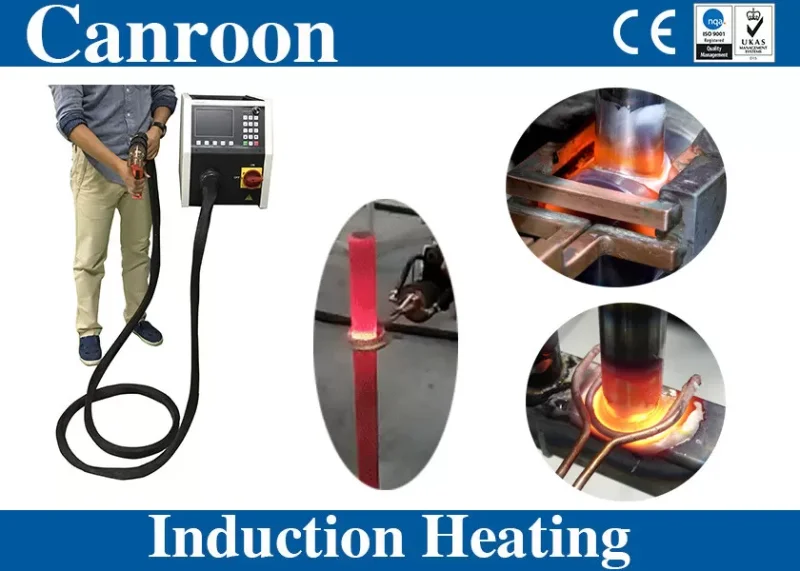
Canroon is a brand that many people trust. You get machines that use less energy and give you good heating control. These heaters also cost less to run. Canroon’s technology helps you save money and control the temperature for many jobs.
Tip: Pick a brand that is known for good quality and support. This can help you avoid problems later.
After-Sales Support
You need good help after you buy your heater. Top brands give you many kinds of support:
They check the product quality for a long time.
They can come to your place to set up the heater and teach you.
They fix your heater for free if it breaks and give you a warranty.
They answer your questions and help you solve problems.
You can see more details in the table below:
Note: Good after-sales support keeps your heater working well. It also helps you fix problems fast.
Total Cost of Ownership
You should think about all the costs, not just the first price. The total cost of ownership has many parts:
You save more money over time if you pick a heater that works well and does not break often. Canroon’s heaters help you use less energy and need less fixing. This means you get more for your money.
High Frequency Induction Heater vs. Alternatives
Medium Frequency Systems
You might wonder how high frequency induction heaters are different from medium frequency systems. Medium frequency heaters are better for big parts. They send heat deeper inside the metal. High frequency models heat the surface and work faster. The table below shows the main differences:
If you need to heat big parts all the way through, use medium frequency. For jobs like brazing or surface hardening, high frequency induction heaters work faster.
Resistance and Flame Heating
Some people use resistance or flame heating in their shops. These ways use more energy than induction heating. Resistance heating uses wires to warm up metal. Flame heating burns fuel to make things hot. The table below shows how well each method saves energy:
Induction heating wastes less energy. You save money and get more heat where you want it. Flame heating can be messy and hard to control. Resistance heating takes longer and may not heat evenly.
Clean Operation Benefits
Induction heating helps the environment. High frequency induction heaters have many clean benefits:
You use less energy, so your bills are lower.
You make less air pollution. Induction heating does not make smoke or bad gases.
You create less waste, like dust or slag.
You can recycle scrap metal more easily. This helps the planet.
Tip: Induction heating keeps your workspace clean and quiet. You protect your team’s health and help the Earth.
If you want fast, clean, and efficient heating, high frequency induction heaters are a great choice for many jobs.
Sourcing and Maintenance Tips
Where to Buy
You should buy your high frequency induction heater from a seller you can trust. Find suppliers that have good reviews from customers. Pick companies that give clear product information and help with technical questions. Ask for test results from outside labs to see if the heater works as promised. Good sellers will help you choose the best model for your job. Make sure the supplier can send spare parts fast. This helps you fix problems quickly if something breaks.
Tip: Do not pick a seller just because the price is low. Think about all the costs, like support and service.
Maintenance Best Practices
You can help your induction heater last longer if you take care of it. Here are some easy tips:
Clean the heating coils after each use. This stops dirt from building up and keeps heating even.
Flush the water cooling path every six months. This gets rid of calcium and keeps the system cool.
Check the coils for damage or missing insulation. Fix problems early to stop sparks and keep people safe.
Look at the cooling system and control panel often. Make sure wires are tight and water flows well.
Store the heater in a clean, dry place. Keep it away from big machines and cover it for safety.
Note: Checking and cleaning your heater often helps you avoid expensive repairs and lost work time.
Future-Proofing Your Investment
You want your heater to work well for a long time. Use these ideas to protect your investment:
Pick a system that can grow with your business. This means you can add more power or features later.
Make sure the heater follows all safety rules now and in the future.
Choose models with new technology for better work and energy savings.
Check if the seller has a good history and gives good support.
Use test data from outside labs to check what the seller says.
Stay updated on new rules in your industry.
Do not buy from only one seller. Use more than one to lower risks.
Tip: Think about how much value you get over time, not just the first price. A good, efficient heater saves you money in the long run.
You can make a smart choice by following these steps:
Pick the right frequency for your material to get efficient heating.
Select a power supply that matches your heating needs.
Use automated controls for better accuracy.
Look for vendors with energy-saving systems and strong support.
Review each model’s features and long-term value.
Reach out to Canroon experts for advice. Check this guide again as new technology appears.
FAQ
What materials can you heat with a high frequency induction heater?
You can heat steel, copper, and aluminum. Other metals work too. Ferromagnetic metals get hot the fastest. Non-magnetic metals need extra power to heat up. You cannot heat glass or ceramics by themselves. But you can use a metal holder to heat them.
How do you choose the right frequency for your application?
High frequencies heat only the surface. Low frequencies heat deeper inside. Look at your part’s size and how deep you want heat. Use the chart from the manufacturer or ask an expert for help.
Is a high frequency induction heater safe to use?
Yes, new heaters have safety features built in. They protect you from too much current and overheating. They also stop electrical problems. Always read the manual and wear safety gear.
How much maintenance does a high frequency induction heater need?
You should clean the coils often. Check the cooling system and look at the wires. Regular care helps your heater last longer. It also makes it work better.
Previous:
Next:
Sign up for updates