




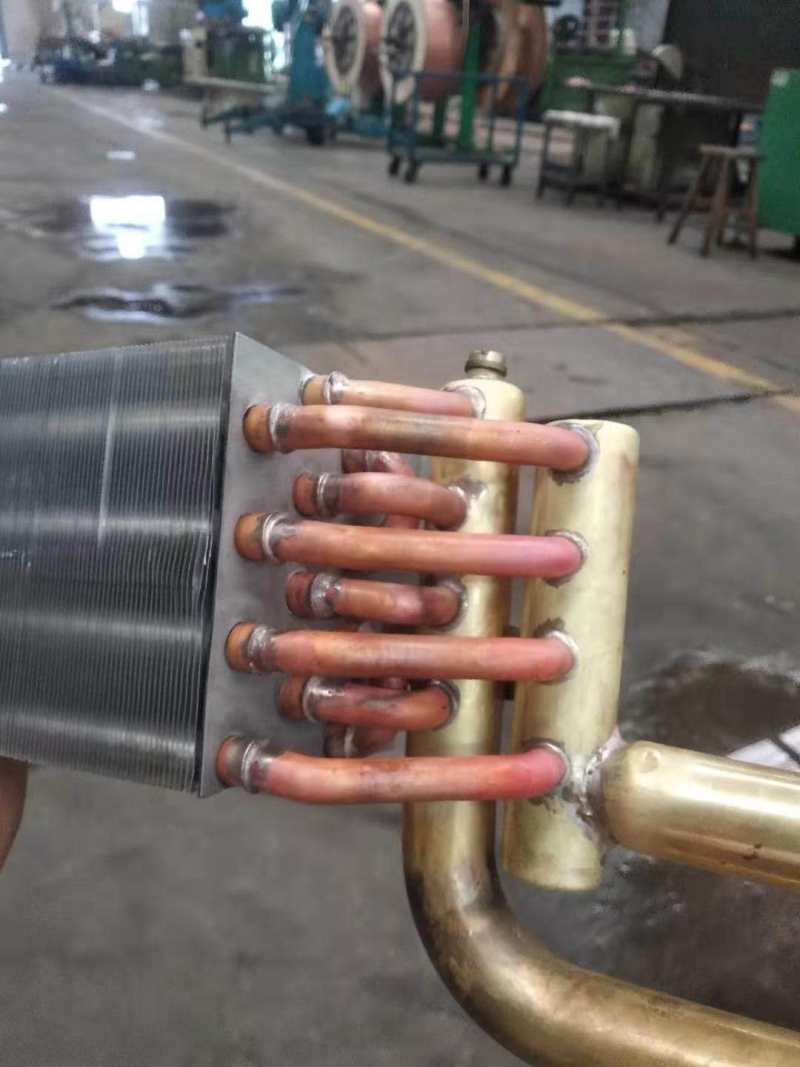
You use an induction brazing device to join copper pipes fast and neat. This device uses induction heating, which puts energy right on the joint. The induction coil heats the copper. It melts the filler metal. This makes a strong bond. You get the same good results every time. This improves quality and strength. Induction brazing lowers joint failure by 40%. It also makes projects 25% faster than torch brazing. Canroon’s CR2100 Series has high-frequency induction. It has digital temperature control. It also has advanced system integration. You save energy, get better product consistency, and have reliable quality.
Key Takeaways
Induction brazing works faster and is cleaner than using a torch. It can make projects finish 25% quicker. This way also lowers the chance of joints breaking by 40%. It helps make strong and safe connections in copper pipes. An induction brazing device lets you control heat very well. The rest of the copper pipe stays cool and safe. You must get ready and use safety steps, like wearing safety gear. This is important for good brazing. Picking the right filler metals and flux makes joints better. It can also help save money on materials.
Induction Brazing Device Overview
How Induction Brazing Works
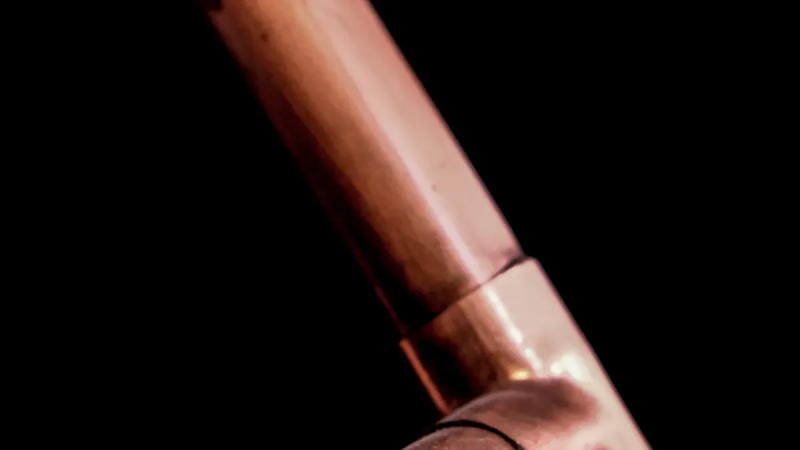
Induction brazing helps join copper pipes quickly and accurately. The device makes an electromagnetic field. This field heats the copper right where you need it. You put the induction coil around the pipes. The coil sends energy into the metal. The copper gets hot very fast. The filler metal melts and fills the joint. This makes a strong connection. Induction brazing works for many copper pipe systems. You find it in heat exchangers, copper ducts, water pipes, heating systems, fuel lines underground, and drainage vents.
Induction brazing lets you control the heat exactly. You only heat the joint area. The rest of the copper pipe stays cool. This keeps thin tubes and sensitive parts safe.
Benefits for Copper Pipes
Induction brazing has many good points for copper pipes:
The heating time is shorter. You finish brazing faster than with a torch. The copper pipes do not get too much heat.
You heat just the joint. The copper stays strong and clean.
You get the same strong joints every time. You set the device how you want. This works for small or big jobs.
The process is clean. You do not use open flames. The work area stays safe and neat.
You use only the filler metal you need. You save money and make less mess.
Induction brazing helps you work safer and faster. You do not have fire risks like with torch brazing. You also get better results every time. Canroon’s CR2100 Series uses advanced induction technology. You use digital temperature control and system integration. You save energy and get good quality for copper pipes.
Step-by-Step Process for Copper Pipes
Preparation and Safety
You start the induction brazing process by preparing the copper pipes. You cut the pipes to the right length with a pipe cutter. You remove burrs and rough edges using emery cloth or a file. You clean the pipes with a wire brush or sandpaper. You make sure the pipes are free from debris. You use a degreaser or alcohol to get rid of oil or grease. You apply flux to the joint with a flux brush. You wear gloves, goggles, and sleeved clothing to protect yourself from burns and injuries. You keep your workspace clear and well-ventilated. You place a fire extinguisher nearby for safety.
Tip: Always check your safety gear before you begin. Good preparation keeps you safe and helps you get strong induction brazed copper pipes.
Joint Setup and Soldering Rings
You set up the copper pipe joint for brazing. You clean the workpieces to remove oil, grease, and rust. You use wire brushing or a degreasing solvent. You make sure the clearance for filler metals is between 0.001 to 0.005 inches. This keeps the joint strong. You apply flux to prevent oxidation during heating. You align the pipes and use fixtures to hold them together. You place soldering rings at the joint. Soldering rings help you use just the right amount of filler metal. You waste less solder and save money. Induction brazing allows nearly complete penetration, which improves yield rates.
Device Operation
You operate the induction brazing device by placing the coil around the copper pipe joint. You set the device to the right temperature. You turn on the induction unit. The coil creates an electromagnetic field. The copper heats up quickly. The filler metal melts and flows into the joint by capillary action. You watch the process closely. You make sure the filler metal spreads evenly. You avoid overheating the pipes. You finish the brazing process when the joint looks smooth and shiny.
Note: Induction brazing of copper pipes gives you precise control. You heat only the joint area. The rest of the copper pipe stays cool and safe.
Cooling and Inspection
You let the joint cool naturally after brazing. You do not quench the copper pipe in water. This prevents thermal shock. The cooling time depends on the size of the joint and the heat applied. You clean the joint with a sand cloth or wire brush. You remove excess brazing material and flux residue. You wear gloves and safety glasses during cleaning. You check the inside of the joint. You make sure it is smooth and free of obstructions. You inspect the joint for defects. You re-braze or repair if needed.
Let the joint cool naturally.
Clean the joint after cooling.
Wear protective gear during cleaning.
Inspect the joint for defects.
Repair or re-braze if necessary.
Inspection is important. You ensure the induction brazed copper pipes are strong and reliable. You get the best results from the brazing process.
Equipment and Materials for Induction Brazing
Induction Brazing Device Selection
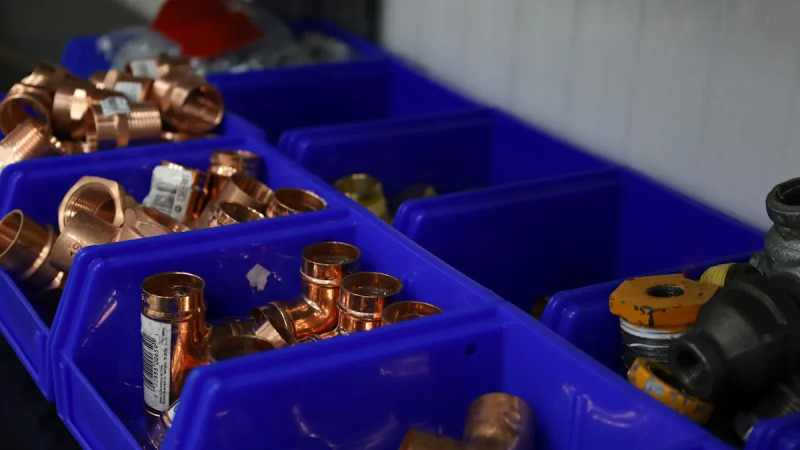
You must pick the right device for induction brazing. The device you use depends on your project size and where you work. For big jobs, you can use an automatic machine like the FOCO Automatic Brazing Machine. For small fixes or work outside, a portable device like the UBraze Handheld is good. Automated induction brazing systems are best for busy production lines. Canroon’s CR2100 Series has special features for shops and field jobs. You choose a device based on how much space you have, if you need to move it, and what copper pipes you use.
Tip: Always check the power rating and frequency of your induction heating device. Make sure it matches the mass and shape of your copper components.
Filler Metals and Flux
You need the right filler metals and flux to make strong joints. Most copper pipe jobs use silver-based filler metals. These melt at lower temperatures and work well with induction heating. You should pick a flux that fits your job. General-purpose flux works for most copper pipes. For fast jobs or high heat, boron-modified black flux is a smart choice. Some fluxes change color when they are ready, so you know when to start brazing.
Additional Tools
You need more than just the induction brazing device. Get these tools ready for a smooth job:
Pipe cutters help you size copper pipes
Wire brushes and emery cloth clean the pipes
Flux brushes let you apply flux easily
Soldering rings help you use the right amount of filler metal
Safety gear includes gloves, goggles, and a fire extinguisher
You can get better results by using custom copper coils that fit your pipes. For nonstop work, use a good industrial chiller to keep your induction system cool.
Note: Good preparation and the right tools help you achieve clean, strong brazing joints every time.
Applications and Advantages
HVAC and Industrial Uses
Induction brazing is used a lot in HVAC and factories. It works well for joining copper pipes in many systems. You can use it for:
Heat exchangers
Copper ducts, fittings, and valves
Water and heating systems
Underground fuel and gas pipes
Drainage and vent systems
These uses show that induction brazing makes strong, leak-free joints. You get good results for big and small copper pipe jobs. You also make less waste and your work looks better.
Comparison with Torch Brazing
You might wonder how induction brazing is different from torch brazing. The biggest differences are fire safety and how fast it works. Induction brazing does not use open flames. This keeps your workspace safer. You finish jobs faster and get the same results every time.
Induction lets you control the heat better. You do not overheat the copper pipes. You also lower the chance of leaks and mistakes. This makes induction brazing a smart pick for many jobs.
Cost and Safety Benefits
You save money and stay safer when you use induction brazing for copper pipes. The process uses less energy and makes less waste. You do not have to fix joints as much. You also keep yourself and your team safe because there are no open flames.
You heat the pipes fast and just right. This helps you do the job right the first time.
You are safer because you do not use open flames or overheat the pipes.
You make less waste, so you spend less money.
You use less energy, which saves you money.
Induction brazing gives you strong and reliable copper pipe joints. You get better results, save money, and keep your workspace safe. These reasons make induction brazing the best choice for many jobs.
You get lots of benefits with induction brazing for copper pipes. You finish your work faster. You use less energy. AI-powered systems keep the heat steady. Real-time monitoring helps you spot problems early. This keeps your work safe. You see better quality in every job. You save money each time. Canroon’s solutions give you all these good things. If you want to know more, find resources about electric induction heat and computer-assisted brazing.
FAQ
What is induction brazing?
You use induction brazing to join metals with heat from an electromagnetic field. The device heats only the joint area. You melt filler metal to create a strong bond. This process works well for copper pipes.
Is induction brazing safer than torch brazing?
You avoid open flames with induction brazing. This lowers fire risk. You keep your workspace safer. You also reduce burns and accidents. Induction brazing gives you more control over the heating process.
Can you use induction brazing outdoors?
You can use portable induction brazing devices outside. You need a power source. You protect the device from rain and dust. You get fast, clean joints in field repairs or installations.
What filler metals work best for copper pipes?
You choose silver-based filler metals for copper pipes. These melt at lower temperatures. You get strong, leak-free joints. You use less filler metal and save money.
How do you clean the joint after brazing?
You let the joint cool naturally. You use a wire brush or emery cloth to remove residue. You inspect the joint for defects. You wear gloves and goggles for safety.
Previous:
Next:
Sign up for updates