




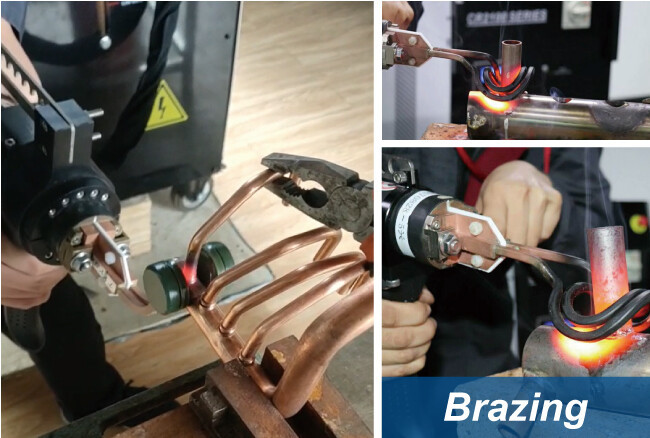
You use an induction brazing device to join copper U bends in HVAC and refrigeration systems. Canroon’s induction brazing device makes joints clean and leak-free. You use induction because it heats copper fast and evenly. This method has many benefits:
Induction brazing device works faster than flame brazing, so you get more work done.
You stay safer because induction lowers the chance of accidents.
Induction brazing device saves energy and keeps the air cool, which protects copper from harm.
You pick induction brazing device because it is efficient, consistent, and automatic. These features help you get good results with copper every time.
Key Takeaways
Induction brazing works faster and is safer than using a flame. It helps people work better and lowers the chance of accidents. - You must prepare the surface well. Clean the copper very well. This helps make strong joints that do not leak. - Pick the right filler metal and flux. These help the parts stick together better during brazing. - Automated induction brazing systems make work faster and more even. They help you get good results more easily. - Keep induction brazing devices in good shape. This is important for them to work well and last longer.
Induction Brazing Device Process for Copper U Bends
How Induction Brazing Works
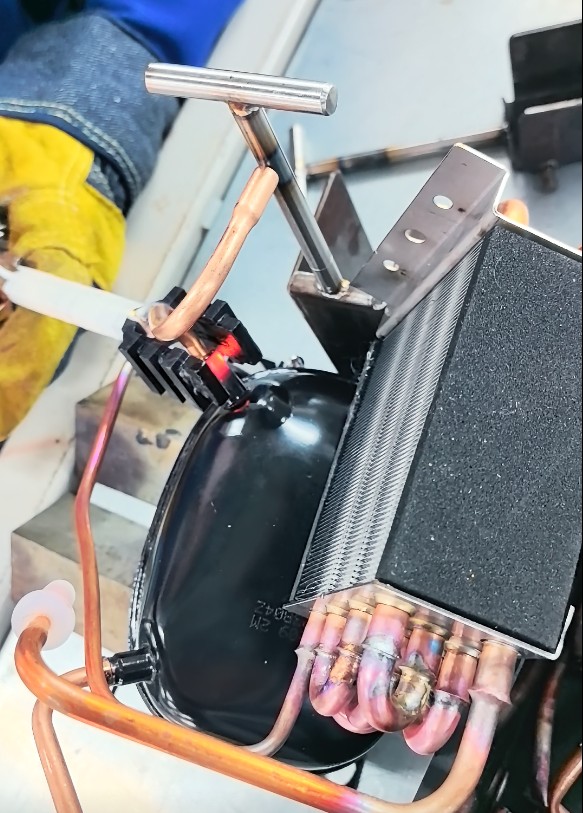
Induction brazing joins copper U bends with careful heating. Induction heating makes an electromagnetic field. This field heats the copper right at the joint. The heat stays in one spot, so you do not waste energy. The copper heats evenly. This helps you make clean and leak-free joints.
Induction heating has many benefits over flame brazing. It is more focused and accurate. Less heat is lost, so it works better. You finish brazing faster and can make more joints. The copper does not get too hot. The air in your workspace stays cool.
Induction brazing gives you the same results every time. You do not get uneven heating. This stops weak joints from forming. The copper stays safe. Every joint meets the rules for making copper pipes.
Key Steps in the Brazing Process
You follow steps to join copper U bends with induction brazing. Each step helps make strong and good joints.
Clean the copper tubes and U bends. Put flux on the joints. This removes dirt and helps the filler metal stick.
Put brazing filler rings on each copper U bend. Pick rings that melt before the copper does. This makes sure the filler flows into the joint.
Line up the copper U bends with the tubes. Leave a small gap for capillary action. The gap lets the melted filler fill the joint.
Put the induction coil around the joint. Keep the coil close but do not let it touch the copper. This keeps the parts safe.
Turn on the induction heating system. Set the power and time for even heating. Melt the filler rings to finish brazing.
Turn off the heater and take away the coil. Let the copper cool by itself or use air to cool it faster.
Check the joints. Look for smooth and shiny surfaces. Make sure there are no cracks or holes. Every joint should not leak and must meet the rules.
Keep the brazing temperature between 650°C and 850°C. This range gives you the best joints. Do not let the copper get too hot. Too much heat can hurt the copper and make weak joints.
Tip: Always check the induction coil before you start. Make sure the coil fits the copper U bend. This helps heat the copper evenly and keeps you safe.
Automation and Efficiency
Automated induction brazing systems help you work faster. You see machines like conveyor systems and carousel feeds in factories. These machines can braze many copper pipes at the same time. You get even heating and shorter work times.
Induction pipe heating equipment and big workstations make production faster. Automated systems keep every joint the same. You can finish brazing in 15 seconds or a few minutes. This is faster than doing it by hand. You make more products and need fewer workers.
Safety is important when using induction brazing devices. Keep hands and metal objects away from the live coil. Use holders made from materials that do not conduct electricity. Watch the heating settings to stop overheating. Check and fix the equipment often to keep things safe and working well.
You pick induction brazing for copper pipes because it is fast, accurate, and reliable. You get even heating, clean joints, and no leaks. You make more products and reach your goals in HVAC and refrigeration.
Preparation and Material Selection for Induction Brazing
Surface Preparation for Copper
You start with clean copper to get the best brazing results. Dirt, grease, and oxidation can ruin the joint. You must remove these contaminants before you begin copper brazing. Oils and cutting fluids block the filler metal from sticking to the copper. This causes weak joints and can lead to leaks.
Follow these steps to prepare copper U bends:
Clean the outside of the copper pipes with an abrasive pad or round file. This removes dirt and oxidation.
Use a cleaning brush or reaming blade inside the pipes. Rotate it several times to clear debris and corrosion.
If you see stubborn dirt, apply a cleaning solution. Rinse with clean water and dry with a cloth.
Ream the pipe ends with a reaming blade. This ensures a proper fit for brazing.
Deburr the outside of the pipe. Use a deburring tool or abrasive pad for a smooth surface.
You can use wire brushes, emery cloth, or chemical cleaners for tough stains. For heavy oxidation, acids like acetic or citric acid work well. Always rinse and dry the copper after cleaning.
Tip: Clean your work area before you start. This helps you keep copper parts organized and prevents contaminants from affecting joint quality.
Choosing Filler Metals and Flux
You must pick the right filler metal and flux for copper brazing. The filler metal melts and flows into the joint during induction brazing. The most common filler metals for copper are BCuP and BAg alloy series. Each has a different melting point.
You select flux to help the filler metal flow and bond to copper. Flux removes oxides and keeps the joint clean during brazing. Always match the flux to the filler metal and the induction brazing process.
Impact on Joint Quality
You improve joint quality by cleaning and aligning copper U bends. Contaminants act as barriers and stop the filler metal from bonding. This leads to incomplete flow, porosity, and cracks. You avoid these problems by using proper cleaning methods.
Joint strength depends on the gap between copper surfaces and the overlap depth. You must leave the right gap for capillary action. This lets the filler metal flow and fill the joint during induction brazing. The choice of filler metal affects reliability but not joint strength directly.
Note: You get the best copper brazing results when you follow these steps. Clean copper, correct filler metal, and proper alignment give you strong, leak-free joints.
Troubleshooting and Best Practices
Common Issues in Induction Brazing
Sometimes, problems can happen when you braze copper U bends. These problems can make your copper hermetically sealed joints not work well. You should look out for these common issues: - Not cleaning the copper enough - Heating the joint wrong or unevenly - Using too much heat and hurting the pipe - Putting on the flux the wrong way - Joints that leak or are weak after brazing Porosity or empty spaces in the joint can also make it worse. These usually happen if you do not clean well, use the wrong gap, do not use enough filler metal, or trap gas while brazing.
Solutions and Preventive Tips
You can fix most brazing problems by doing a few easy things: 1. Heat the joint evenly so the filler metal flows and fills the gap. 2. Do not use too much heat. Too much heat can burn off things like phosphorus or zinc and make the joint weak. 3. Make the joint with the right gap. This lets the filler metal fill the space and make strong, leak-free copper hermetically sealed joints. 4. Clean all the metal parts before you braze. Take off dirt, oil, and rust. 5. Use enough filler metal so there are no gaps or holes. 6. Test your joints for leaks with air, pressure, or helium tests.
Tip: Always watch the heating temperature and how you cool the joint. Good quality checks help you get strong, reliable hermetically sealed connections.
Maintenance for Induction Brazing Devices
You keep your induction brazing device working well by doing regular maintenance. This helps you keep good quality and stop breakdowns.
Look for leaks, dirty oil, and rust.
Change old bearings, centers, and spindles to keep parts lined up.
Check stops to make sure parts turn the right way.
Doing regular maintenance helps you get good brazing every time. It also stops surprise breakdowns and makes your equipment last longer. Checking your system every day and on a schedule helps you keep your induction system working and your copper hermetically sealed joints strong.
Applications of Induction Brazed Copper Pipes
HVAC and Refrigeration Uses
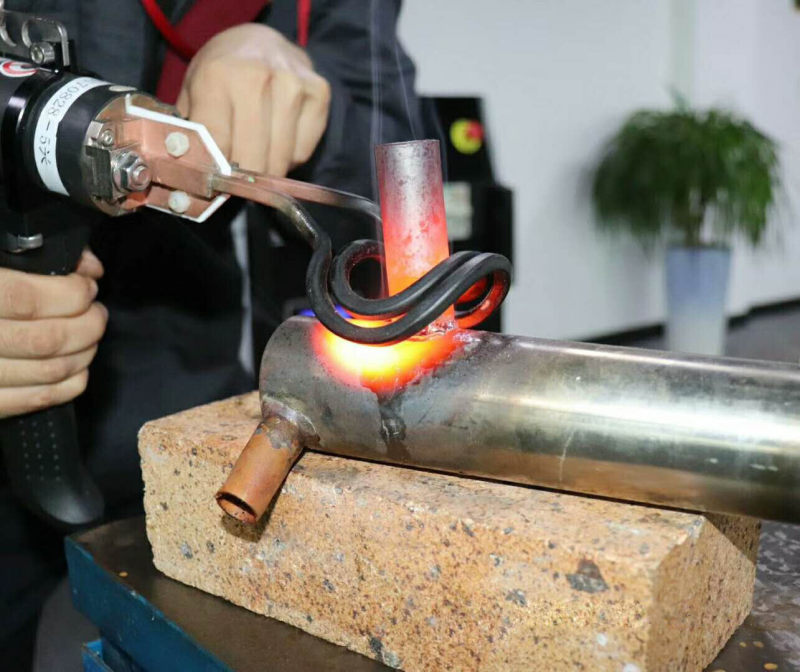
Induction brazed copper pipes are used a lot in HVAC and refrigeration. These systems need joints that do not leak. The joints must be strong to move refrigerant and air. Induction brazing helps make these joints fast and with good quality. You can use this method for U bends, elbows, and straight pipes. Induction brazing makes clean joints that last a long time. This helps air conditioners, chillers, and freezers work better. They also need fewer repairs.
Comparison with Traditional Methods
You might wonder how induction brazing is different from old ways. Flame brazing uses a torch and an open flame. This can heat the pipe unevenly and cause more oxidation. Induction brazing gives you better control and is safer. You do not need to use flammable gases. You also save money and energy. Look at the table below to see the differences:
Induction brazing is better for the environment. It uses less energy and makes less waste. The table below shows more benefits:
Benefits for Industry
There are many good things about using induction brazing for copper U bends.
Induction brazing is quick and easy to use with machines.
You get the same results every time because it does not depend on the worker’s skill.
It is safer because there is no open flame.
The joints are stronger and there is less waste.
These benefits make induction brazed copper pipes important for factories and installers. You can trust the joints to last longer. Your systems will work better.
You can make copper U bends strong and stop leaks by using induction brazing devices the right way. Many companies use this method for different jobs. Some examples are in the table below:
When you heat the copper just right and use machines, your projects finish faster. You will also have fewer problems with joints breaking. Try these steps to get better results and do more work.
FAQ
What is induction brazing?
You use induction brazing to join metals with heat from an electromagnetic field. The process melts filler metal without touching the copper. You get strong, clean joints quickly.
Why should you choose induction brazing for copper U bends?
You get faster, safer, and more consistent results. Induction brazing heats only the joint, so you avoid damage to the pipe. You also save energy and reduce waste.
How do you keep joints from leaking?
You clean copper surfaces well. You use the right filler metal and flux. You check the gap between parts. You test each joint for leaks after brazing.
Can you automate induction brazing?
You can use machines like conveyor systems. Automation lets you braze many joints at once. You get uniform heating and higher production rates.
What maintenance does your induction brazing device need?
You inspect coils and cooling channels often. You clean parts and check power settings. You replace worn components. Regular maintenance keeps your device reliable.
Previous:
Next:
Sign up for updates