




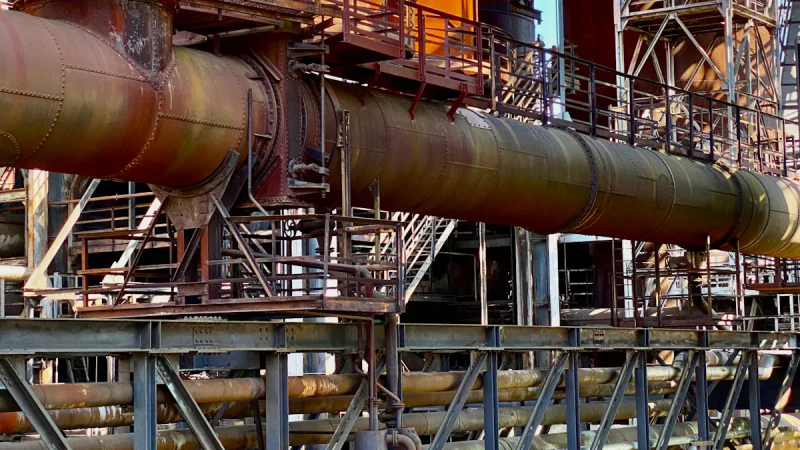
Induction heating is a process that uses electromagnetic fields to heat materials, offering precise control and efficiency.
Key Takeaways
Induction heating heats pipelines quickly and accurately. It helps make welding better and lowers the chance of cracks.
This method heats only certain parts of the pipe. It puts less stress on the pipe and makes work safer.
Induction heating saves energy. It uses up to half as much energy and lowers greenhouse gas emissions.
After welding, induction heating makes welds strong. It stops brittle breaks and keeps pipelines safe.
Induction heating technology lets workers set up faster. It gives better control and makes pipeline jobs more reliable and efficient.
Induction Heating for Pipelines
What Is Induction Heating
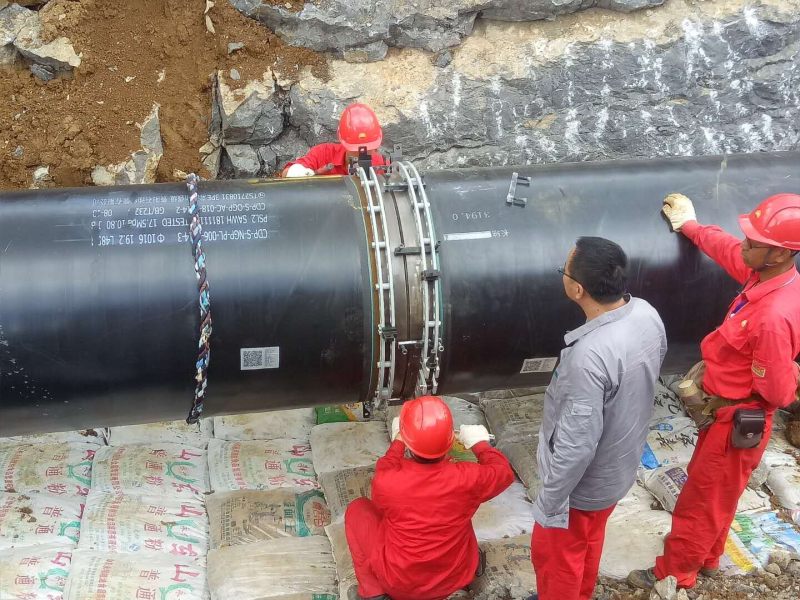
Induction heating uses electromagnetic induction to heat metal fast. An induction heater has an electromagnet and an electronic oscillator. The oscillator sends a high-frequency current through the electromagnet. This makes a magnetic field that goes into the metal. The field creates eddy currents inside the metal. The metal’s resistance makes heat, called Joule heating. In oil and gas pipelines, induction heating gives quick and even heating. It does not need open flames or heating elements. Operators put heating tools on or around the pipe. The magnetic field heats the pipe from the inside. This way, the temperature is controlled well. It is safer than older heating methods.
Applications in Pipeline Welding
Induction heating is important for pipeline welding. It helps keep the right temperature during girth welds. This stops weld cracks and keeps pipelines strong. Induction preheat is also used after welding to lower stress in joints. In oil pipeline repair, induction heating warms pipes before welding sleeves or STOPPLE fittings. This makes the job faster. For natural gas pipelines, induction heating preheats pipe joints quickly and reliably. This is needed when pipes have more alloy and need exact heat. Programmable induction heating lets workers set and keep the right temperature. This makes work safer and more efficient.
Tip: Induction heating equipment gives even preheating in welding. This helps stop bending and keeps the pipe strong.
Canroon Solutions
Canroon has many induction heating tools for industry. Their technology helps control temperature and saves energy. Canroon’s equipment includes post-weld heat treatment devices for steel and stainless steel pipes. They also have portable PWHT systems for pipeline jobs. These tools work well and give steady results. They are good for welding preheat and stress relief. Canroon’s skill in induction heating helps oil and gas pipelines stay strong and safe.
Benefits of Induction Heating in Pipeline Welding
Precise and Localized Heating
Induction heating gives very accurate heat for pipeline welding. Workers use special equipment to send energy right to the weld spot. This lets them control the heat and lowers stress on the pipe. Induction heating works much faster than old ways. It can reach the needed temperature in just seconds or minutes. Preheating is important because it helps keep welds strong and pipes safe. Induction heating warms only the area needed, so there are fewer cracks or bends.
Induction heating lets workers control energy better, so welds are stronger.
Heating just one spot keeps the rest of the pipe safe from stress.
The process is much quicker than using ovens or furnaces.
Uniform Preheating and Process Control
Even heating is needed for good pipeline welding. Induction preheat gives fast and focused heat, making the weld area ready for work. The equipment heats the pipe evenly, so the temperature stays the same before welding. This helps make better welds and stops mistakes. Workers can easily change and watch the temperature with induction heating. Even heating also stops pipes from bending and keeps them strong.
Note: Induction heating is a fast and accurate way to preheat big pipes. It helps keep the temperature even during welding, which is very important.
Enhanced Safety and Energy Efficiency
Induction heating makes oil and gas work safer for everyone. There are no open flames, so it is less dangerous. The equipment heats only the needed spot, so burns and fires are less likely. It also stops hydrogen from forming during repairs, making things safer.
Induction heating can be over 90% efficient with the right setup.
High efficiency saves money for companies that preheat pipes a lot.
It puts heat only where it is needed, so less energy is wasted.
Fast heating and easy setup mean less energy is used.
Induction heating cuts down on greenhouse gases by using energy well.
It can lower energy use by up to half, which is better for the planet.
Induction heating helps make welds better by giving exact heat where it is needed. This means less heat is lost and energy is used well. Good control keeps pipes from bending and makes the weld area smaller. This leads to stronger welds. Heating just one spot means less stress on the pipe and less need for extra heating steps. Workers can do their jobs faster and more safely.
Preheating and bakeout are needed to stop cracks and bending. These steps help keep hydrogen from causing problems and let the weld cool slowly. This stops the pipe from changing shape. Induction heating helps keep the right temperature between welds. It removes water and hydrogen, which keeps the weld strong. This also helps hydrogen leave the weld and the area around it, so there are fewer cracks.
Induction Heating in PWHT and Stress Relieving
Importance of Post-Weld Heat Treatment
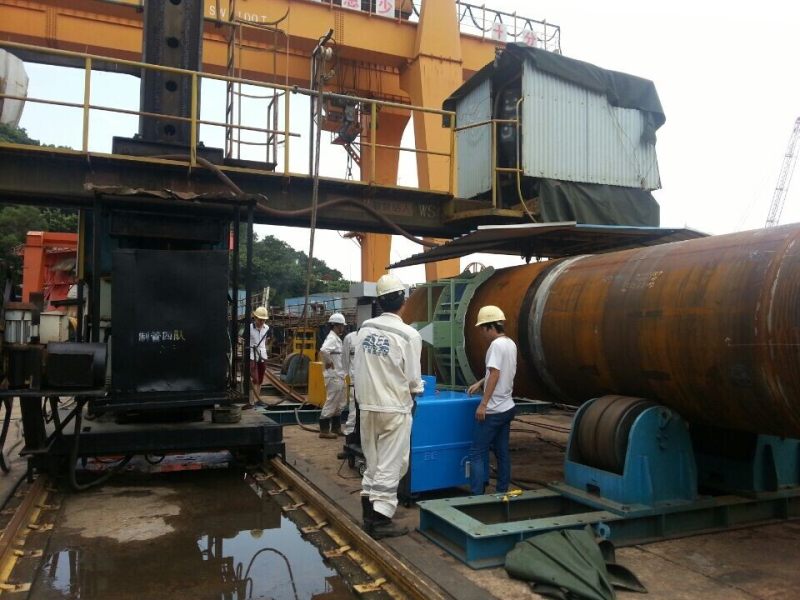
Post-weld heat treatment is very important for pipelines. Rules say this step is needed to keep welds strong. Pipelines move oil, gas, and water far away. If a weld breaks, it can cause big safety and environmental problems. Post-weld heat treatment helps stop brittle breaks and cracks from hydrogen. It keeps the pipeline strong and safe to use. Workers can do heat treatment right after welding to fix these risks.
Note: Post-weld heat treatment stops cracks and helps pipelines stay safe for moving oil and gas.
Induction Heating for PWHT
Induction heating changes how companies do pwht and stress relieving. This way uses electromagnetic fields to heat metal from the inside. Eddy currents form in the pipe and let workers control the heat quickly and exactly. Induction heating gives even heat, so there are fewer leftover stresses and cracks. Workers can pick the right temperature for post-weld heat treatment. This saves time and energy compared to old ways. Induction heating keeps the temperature steady, which is important for stress relief and safety rules. Doing heat treatment on-site with induction heating is faster and more dependable.
Structural Integrity and Crack Prevention
Induction heating slows down weld cooling and stops pipes from bending. Even heating makes the hot area the same all over, so there are not big temperature changes. This slows down how fast the weld cools and lowers the chance of bending. Keeping the temperature steady also means there are fewer cracks. The process makes eddy currents in the base metal, so it heats up from the inside. Workers can set up the tools fast and reach the right temperature quickly. Preheating and post-weld heat treatment both work better with this technology. Even heating keeps pipelines strong and stops problems when they are used.
Induction heating makes the hot area even, so temperatures do not change much.
Even heating slows down weld cooling and helps stop bending.
Fewer temperature changes mean fewer cracks.
Induction heating makes eddy currents in the base metal and heats it from inside.
This way is quick to set up and heats up fast, which helps with pipeline welding.
Tip: Induction heating makes preheating and pwht on-site easier, faster, and more reliable.
Comparing Induction Heating and Traditional Methods
Limitations of Flame and Resistance Heating
Flame and resistance heating have been used for a long time. Both ways have problems in today’s oil and gas pipelines. The table below shows the main issues:
Workers find it hard to keep welds strong with these old methods. Uneven heating can cause stress, cracks, and weak welds. Flame heating also makes oil and gas jobs more risky, where safety matters most.
Advantages of Induction Heating
Induction heating solves these problems with new technology. Induction heating systems heat pipes much faster than resistance heating. They cut down ramp-up times by half or more. The heat goes right into the pipe, so cables stay cool and fire risks are lower. Induction heating equipment does not stay hot after use, so the worksite is safer.
Workers can use wireless tools to control the heat zone during welding. This helps keep the temperature even, which is important for good welds and post-weld heat treatment. Induction heating also helps with stress relief and post-weld heat treatment on-site, making welds stronger and lowering stress.
Oil and gas companies use induction heating because it heats pipes quickly and without touching them. These systems save money, use less energy, and help meet safety rules. Induction heating equipment keeps heat loss low, so it works well for preheating, pwht, and stress relief in pipelines. This leads to better welds, safer jobs, and good heat treatment every time.
Tip: Induction heating equipment helps keep welds strong and pipelines safe. It also makes the worksite safer and more efficient.
Canroon’s induction heating systems have changed how pipelines are built in oil work. These tools heat pipes quickly and evenly for preheating, welding, and pwht. Workers say the equipment is simple to use and makes welds better. There are also fewer safety problems. Induction heating lowers leftover stress and makes pipelines stronger. The technology helps keep work going and lets workers control the temperature exactly. Canroon has done well with stopping rust and helping with coating jobs. This shows how useful induction heating can be. Companies that want good pwht and stronger pipelines should think about using induction heating for their next job.
Induction heating helps welds go faster and turn out better.
PWHT with induction heating makes pipelines safer and last longer.
Previous:
Next:
Sign up for updates