




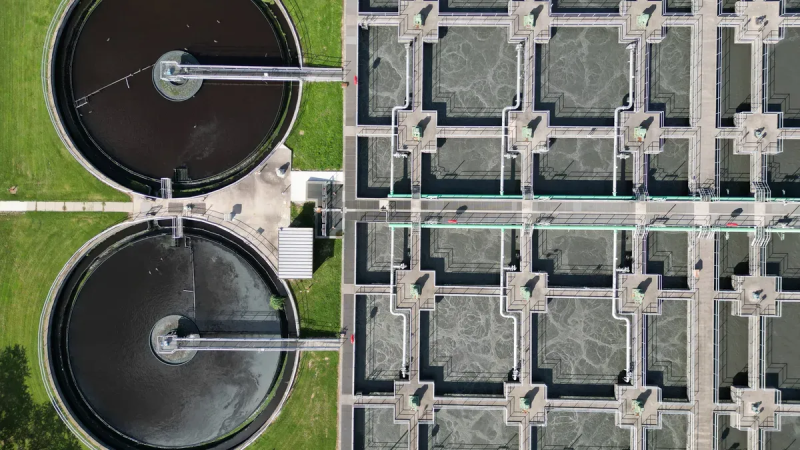
You notice big changes in water treatment with variable frequency drives. These drives help you control motors and pumps very well. This control lets you save up to 50% on energy. It also helps stop clogs compared to fixed-speed systems. Canroon gives you solutions that many places trust. You get lower costs, better results, and longer equipment life.
Key Takeaways
VFDs can help save half the energy cost. They do this by changing pump speeds to fit what is needed.
Using VFDs means there are fewer clogs and less downtime. This lets workers spend time on bigger jobs.
VFDs make it easier to control the process. This gives better water quality and makes systems work better.
You can check VFDs from far away. This helps find problems early, so things run better and need fewer repairs.
VFD Benefits in Water Treatment
Lowering Energy and Maintenance Costs
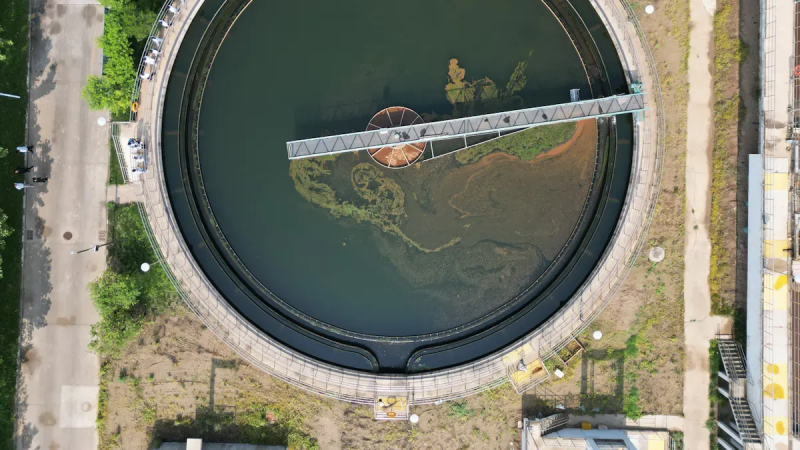
You want to save money and keep your equipment working longer. VFDs help you do both. They let you control pump systems more exactly, so you only use the energy you need. This makes your system more efficient and lowers your bills. Here is a table showing energy savings for different pumps:
Using VFDs also lowers maintenance costs. Pumps with VFDs start and stop smoothly. This soft start lowers stress on motors and makes them last longer. In dual pump systems, you can switch pumps, which gives you a backup and helps both pumps last longer. One southern U.S. plant saw a big drop in maintenance costs after using VFDs. Workers did not have to clean clogged pumps twice a week anymore. This meant more work got done and less downtime.
Improving Process Control
You need good control to keep water systems working well. VFDs give you this control. They let you change the speed of pumps and other equipment to fit what you need. This helps you manage flow rates and pressure better. In a computer-controlled facility, you can use VFDs to handle different loads. This keeps biological processes and sludge management steady and improves water quality.
Controlling aeration equipment with VFDs can save 30–50% on energy. Better oxygen control means treatment is more efficient and less waste is made. You also get more reliable pump systems. VFDs lower mechanical stress, so your equipment lasts longer and breaks less often. This means fewer repairs and more steady performance.
You can save up to 50% energy compared to fixed-speed systems.
You get better pump performance and lower costs.
Your facility becomes more reliable, with fewer breakdowns and longer equipment life.
VFD Basics for Water Treatment
What Is a VFD?
A variable frequency drive, or VFD, is a device that controls the speed of electric motors. You use it to adjust how fast a pump or fan runs. In water treatment, VFDs help you match the pump speed to the actual demand. This means you do not waste energy by running pumps at full speed all the time. VFDs work by changing the frequency of the electricity sent to the motor. This gives you more control over your pump systems and helps you save power.
When you choose a VFD, you need to make sure it matches the size of your motor. If the VFD is too small or too large, your system may not work well. In places with high heat or dust, like coastal or desert areas, you must pick a VFD with the right enclosure and cooling. This keeps your equipment safe and working longer.
How VFDs Work in Water Facilities
You use VFDs in water treatment to make pump systems run only as fast as needed. This reduces energy use and lowers costs. For example, if you need less water at night, the VFD slows down the pump. When demand rises, the VFD speeds it up. This keeps pressure steady in your pipes and helps your pumps last longer.
VFDs also help with other parts of water management systems. They can control aeration blowers by using feedback from sensors. This means you use just enough energy to keep the right amount of oxygen in the water. In one Midwest city, adding VFDs to booster pumps cut energy use by 28% in one year. The city saved $47,000 and had fewer pump repairs.
Common Applications
You find VFDs in many parts of water treatment plants. Here are some common uses:
Constant pressure pump control keeps water pressure steady for your customers.
Multi-pump booster stations use VFDs to switch pumps on and off for better efficiency.
Filtration and backwash pumps use VFDs to control flow during cleaning cycles.
Aeration blowers use VFDs to adjust speed based on oxygen needs.
You also see VFDs used with variable speed pumps to improve control and save energy. Modern VFDs use advanced electronics to handle the needs of today’s water treatment and pump systems. They help you run your plant more smoothly and with less waste.
Challenges in Water and Wastewater Treatment
Downtime
You face many problems with pump clogs in water and wastewater treatment. Items like wipes, towels, and other unflushable materials often get stuck in pumps. These blockages can stop your system and cause long delays. For example, a municipal wastewater treatment facility in the southern United States had to clean pumps by hand twice every week because of clogs. After installing VFDs with advanced features, the plant saw zero clogs for three months. Workers did not need to spend extra time on manual cleaning. This change helped the plant run smoothly and improved productivity.
Unflushable items like wipes cost U.S. treatment plants about $441 million more each year. Each plant spends around $30,467 extra because of these clogs.
Downtime from clogs means you lose valuable time and money. You may need more staff to fix these problems. When you use VFDs with anti-clogging functions, you can reduce these issues and keep your pump systems running longer.
Operational Inefficiencies
You want your water treatment process to be efficient. Many plants still use fixed-speed pumps. These pumps run at the same speed all the time, even when you do not need full power. This wastes energy and puts stress on your equipment. When you cannot adjust pump speed, you may see uneven water flow or pressure changes. These problems can affect the quality of treated water.
VFDs help you solve these issues. You can control the speed of your pumps to match the demand. This means you use less energy during slow periods and avoid sudden starts and stops. In industrial wastewater treatment, you often need to handle different types of waste and changing flow rates. VFDs give you the flexibility to adjust quickly and keep your system stable.
You get better control over water flow.
You reduce wasted energy.
You improve the quality of your treatment process.
Maintenance and Energy Use
You spend a lot of time and money on maintenance and energy in water treatment plants. Pumps that run at full speed wear out faster. You may need to replace parts more often. Manual cleaning of clogged pumps takes up staff time and increases costs.
VFDs make a big difference. They let you start and stop pumps smoothly, which lowers stress on motors and extends their life. VFDs also use smart features like 'de-ragging.' This feature reverses the pump’s direction to clear out debris. You do not need to stop the system or send workers to clean the pumps as often.
You can save up to 50% on energy compared to fixed-speed systems. Lower energy use means lower bills and less impact on the environment. When you use VFDs, you also see fewer breakdowns and less downtime. Your plant becomes more reliable, and you can focus on other important tasks.
Tip: Regular checks and using VFDs with advanced features help you avoid costly repairs and keep your plant running efficiently.
Real-World Results with Canroon
Facility Performance Improvements
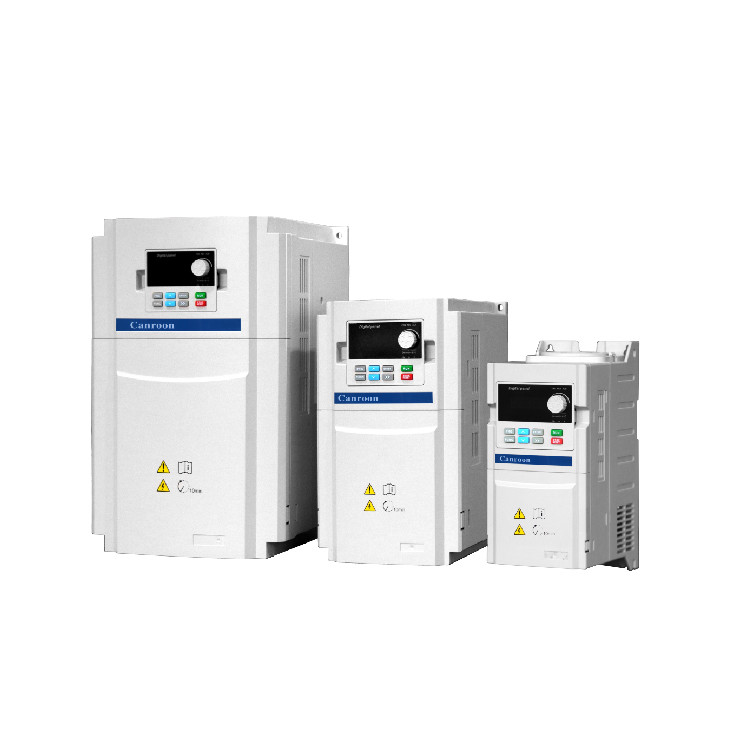
You see big changes when you use Canroon VFDs in your water treatment facility. Pumps run smoother and last longer. You notice fewer breakdowns and less downtime. Sensors and smart controls help you spot problems early. You can fix issues before they stop your system. Many plants report better water quality and steady flow rates. You get more reliable service for your customers.
Tip: Use VFDs with remote monitoring to track pump health and spot trouble fast.
Cost Savings and ROI
You want to save money and get the best value for your investment. Canroon VFDs help you reach these goals. You spend less on repairs and replacement parts. You also see lower energy bills. Many facilities report a payback period of less than two years. Here is a simple table showing savings:
You can use these savings to invest in other upgrades. Your facility becomes more efficient and reliable.
Case Studies
You learn best from real examples. One city used Canroon VFDs in an aeration upgrade project. The plant saw a 35% drop in energy use. Workers spent less time fixing pumps. Another facility in Texas added VFDs to its booster pumps. The plant saved $50,000 in one year. You can see similar results in your own plant.
You get better performance.
You save money.
You improve water quality.
Note: Canroon VFDs help you reach your goals faster and with less effort.
You get lots of good things when you use VFDs in water and wastewater treatment. You save energy, spend less money, and your system works better. Canroon’s VFDs have smart features like remote monitoring.
To use VFDs the right way:
Choose motors with Class F or H insulation.
Use insulated bearings and strong grounding.
Make sure your motor runs at all needed speeds.
Look at Canroon’s case studies to find out how you can make your plant work better.
FAQ
What is a VFD and why do you need it in water treatment?
A VFD is a device that controls motor speed. You use it to match pump speed to water demand. This saves energy and reduces wear on equipment.
How does a VFD help prevent pump clogs?
VFDs use anti-clogging features. These features reverse or change pump speed to clear debris. You spend less time on manual cleaning.
Can you install a VFD on any pump?
You can install a VFD on most electric pumps. Check your pump’s motor type and size first. Ask your supplier if you are not sure.
How much energy can you save with a VFD?
You can save 20% to 50% on energy bills. The exact amount depends on your pump type and how you use it.
Do VFDs need special maintenance?
You do not need much extra maintenance. Check for dust and keep the VFD cool. Follow the manufacturer’s instructions for best results.
Sign up for updates