




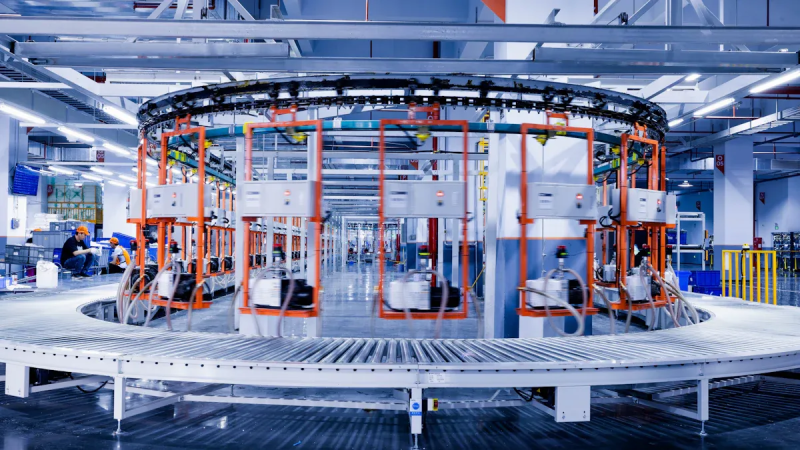
VFDs let you change conveyor speeds right away, providing you with precise speed control over how things operate. Smooth ramping and strong starting torque enhance the system's performance. These features also help prevent products from getting damaged. Setting the right conveyor speed helps things run efficiently and extends the lifespan of the machines. When selecting VFDs, consider the environment where they will be used. You should also evaluate the type of load and how they integrate with other systems. Canroon’s solutions offer VFDs that you can configure for your specific needs, ensuring your conveyor operates effectively and minimizes the risk of breakdowns.
Key Takeaways
VFDs let you control conveyor speed and torque exactly. They help the conveyor start and stop gently. This lowers damage and wear on parts.
VFDs make the system more flexible. You can change the conveyor speed fast for different items. This saves energy and makes work better.
Good torque control stops stalling and overheating. Set the VFD to match your load for best results. This helps the equipment last longer.
VFDs cut costs by using up to 30% less energy. They also keep equipment safe with soft starts and by finding problems early.
Pick the right VFD by looking at motor details, where it will be used, and what controls you need. Setting it up right makes sure it works safely and well.
VFD Speed Control
Motor Speed Adjustment
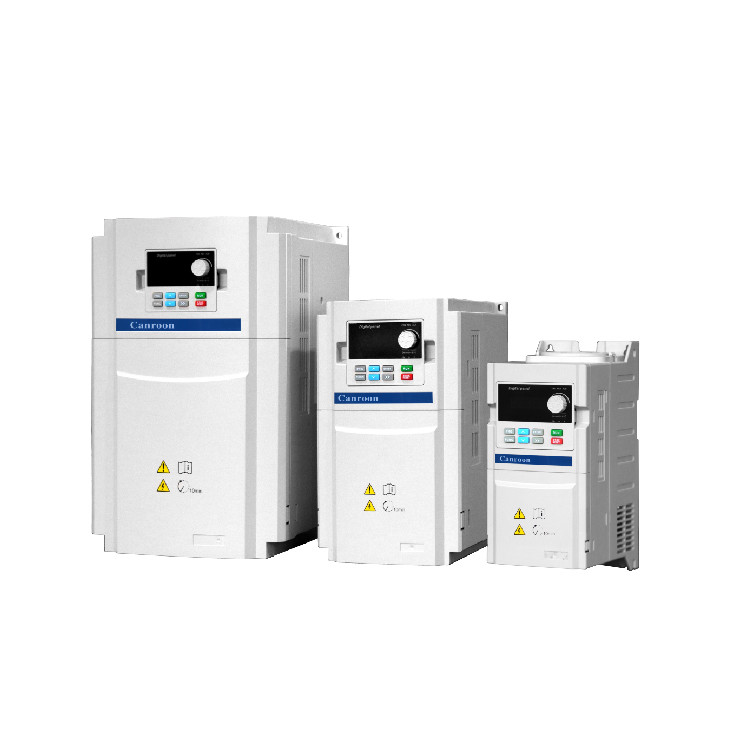
A VFD lets you change how fast the conveyor motor goes. You do not have to use motors that only run at one speed. You can make the motor faster or slower whenever you need. This helps the conveyor start and stop gently. It puts less strain on the parts and keeps them from wearing out quickly. When you change the speed, the VFD changes the motor’s frequency and voltage. This keeps the torque steady and makes sure everything works well. Good control stops products from getting damaged. It also helps things move smoothly, especially with fragile items or different load sizes.
Workflow Flexibility
VFDs make your conveyor system much more flexible. You can speed up or slow down the conveyor easily. This helps when you have different products or packaging needs. If you need to move lots of items fast, you can make the conveyor go quicker. If you have fragile items, you can slow it down so they do not break. This flexibility means less downtime and better efficiency. Using VFDs saves energy because you only use as much power as you need. This can cut energy costs by up to 30%. It also helps move more items and stops jams. The soft start feature keeps the equipment from getting stressed and helps it last longer. This makes your operations more reliable and saves money.
When you use VFDs for speed control, your conveyor works better. You can change things quickly to fit your needs. Material handling gets easier and safer. This control keeps your business running smoothly and helps you stay flexible.
Torque Optimization with VFDs
Torque Modes
A VFD lets you control how much torque your conveyor motor makes. This helps match the motor’s power to what the conveyor is carrying. When the load changes, the VFD changes the torque so the conveyor keeps moving well. This stops problems like stalling or getting too hot. The motor uses only the power it needs, so you save energy. Here are ways VFDs help with torque for different loads:
VFDs change motor torque to fit the load. You get enough force for heavy or light items.
The conveyor stays at the same speed, even if the load changes.
The system uses less energy when it is not fully loaded. You waste less power.
Picking the right VFD size stops stalling and overheating. This keeps your equipment safe and helps it last longer.
You can set the VFD to match the torque curve for your conveyor. This gives you better performance for your needs.
Tip: Always check the load before picking a VFD. You need to know how much torque your conveyor needs at different times.
Load Handling
You need to think about some important things when handling torque in a conveyor system. These things help your conveyor work well and keep it safe. Here is a table with key points:
Factories and warehouses use more automation now. E-commerce growth means conveyors must move items fast and accurately. Manufacturing needs systems that handle different loads with steady torque. High-performance torque solutions help you meet these needs.
Note: Make sure you program and tune your VFD correctly. The VFD must work well with your conveyor’s load. This helps you get the best results and keeps your system running smoothly.
VFD Benefits for Conveyors
Energy Savings
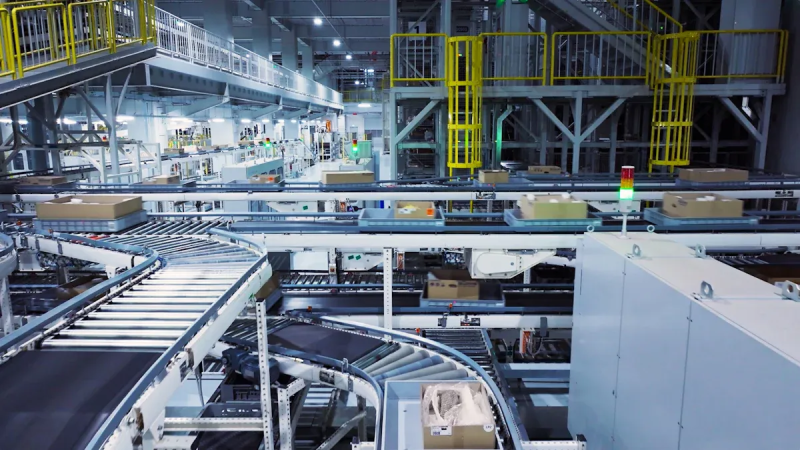
You can save money on energy by using VFDs. VFDs let you change the motor speed to fit the load. This means you only use the power you need. Many factories have cut their energy bills by up to 30%. Some mining projects have saved almost 20% on energy costs. VFDs also help machines last longer by starting and stopping gently. This makes products better and keeps things running well.
Save up to 30% on energy bills.
Have less downtime and longer machine life.
Make products better with smoother running.
Tip: Using VFDs to control speed saves energy and money every day.
Equipment Protection
VFDs help keep your conveyor safe by lowering stress on parts. Motors and other parts do not get hit with hard starts. This gentle way means less damage and wear. Your conveyor will last longer and work better. VFDs also let you control the motor very closely. This stops wasted energy and keeps things running well. You can use fault detection to find problems early and stop bigger issues.
Reduced Mechanical Stress
VFDs help stop damage to your conveyor. The soft start makes the motor speed up slowly. This stops hard jerks that can hurt belts, bearings, and motors. Over time, you will see less damage and fewer breakdowns. Your team will not have to fix things as much. This means your conveyor works longer and costs less to keep up.
Canroon has VFDs you can set up for your conveyor. You get good speed control, save energy, and protect your equipment. This helps your business work better and be more efficient.
VFD Selection & Setup
Motor Compatibility
You have to check if your VFD works with your conveyor motor. First, look at the motor’s voltage and frequency. The VFD must match these numbers. Check the motor’s full-load amps too. Pick a VFD that can handle this amount of current. Add about 20-25% more for safety. If you use more than one motor, give each one its own VFD. This way, you can control each motor by itself. It also keeps your system safe. Always use overload relays for every motor. These relays protect your machines if something goes wrong.
Tip: Try out your setup before using it all the time. Adjust the VFD settings to get the best speed and performance.
Control Methods
You can choose from different ways to control your VFD. Each way is good for certain jobs. Here is a table to help you pick:
Pick the control method that fits your conveyor best. Use V/Hz for simple speed jobs. For better torque and accuracy, use sensorless or closed-loop vector control.
Environmental Factors
Think about where your conveyor will be used. Hot places can make VFDs get too warm. Pick a VFD with good cooling if your factory is hot. Dust and water can hurt VFDs. Use sealed boxes to keep dirt and water out. If your area has strict safety rules, make sure your VFD follows them. Good grounding and overcurrent protection keep your system safe. Always check cable length and layout to stop electrical noise.
Note: Picking the right VFD for your place helps your conveyor work well and saves energy.
Using VFDs on your conveyors gives you better control, saves energy, and helps your equipment last longer. A real-world example from Willis Electrical shows that custom VFD panels can make your system more flexible and save money, even in tough environments. To get the best results, you need to choose and set up your VFDs carefully. Use this checklist to help with your setup:
Canroon can help you with expert advice and custom VFD solutions for your conveyor needs.
FAQ
What is a VFD and how does it work on a conveyor?
A VFD, or Variable Frequency Drive, lets you control the speed and torque of your conveyor motor. You can adjust how fast the conveyor moves by changing the motor’s frequency and voltage.
Can I use a VFD with any conveyor motor?
You need to check if your motor matches the VFD’s voltage and current ratings. Most modern motors work with VFDs, but always check the motor’s label and your VFD’s manual first.
How does a VFD help save energy?
A VFD only uses the power you need. When you slow down the conveyor, the VFD lowers the motor’s energy use. This can cut your energy bills by up to 30%.
Do VFDs protect my conveyor equipment?
Yes! VFDs give your conveyor a soft start and stop. This reduces stress on belts, gears, and motors. Your equipment lasts longer and breaks down less often.
What should I consider before installing a VFD?
Make sure you know your motor’s specs, your load needs, and your work environment. Check for dust, heat, and water. Pick a VFD that fits your system and safety rules.
Sign up for updates