




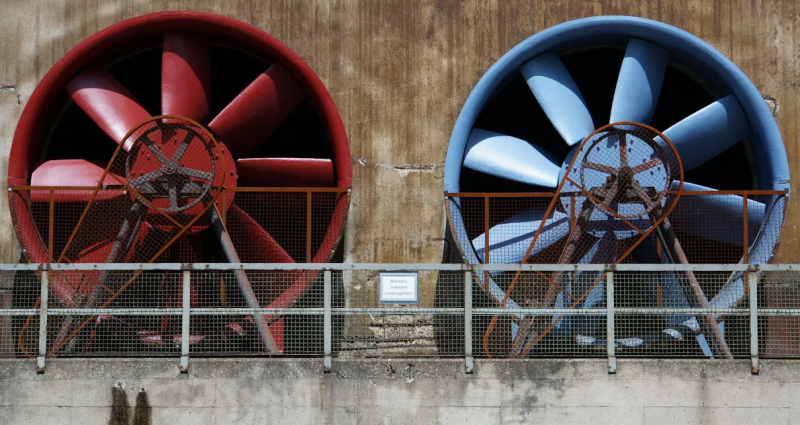
You can use a VFD for HVAC systems to change motor speed and improve energy efficiency. In modern HVAC applications, a VFD for HVAC systems helps you save energy while providing greater control and extending the lifespan of equipment in chillers, air handling units, and cooling towers. The table below illustrates the potential energy savings achieved with VFDs for HVAC systems:
When you implement a VFD for HVAC systems, you gain enhanced control and a quieter operation. Canroon provides effective solutions to ensure your HVAC systems operate at their best.
Key Takeaways
Using VFDs in HVAC systems can save a lot of energy. You can cut energy use by up to 70%. This helps lower your electricity bills and saves money.
VFDs help equipment last longer. They give motors a soft start. This lowers damage and keeps parts working well.
VFDs let you control airflow better. This makes indoor air cleaner. It also makes rooms more comfortable for people.
You need to keep VFDs maintained often. This helps them work their best. It also stops the system from breaking down.
Picking the right VFD type is important. For example, Voltage Source Inverter (VSI) can make things work better. It also fits your HVAC system’s needs.
Variable Frequency Drives in HVAC Systems
What Is a VFD?
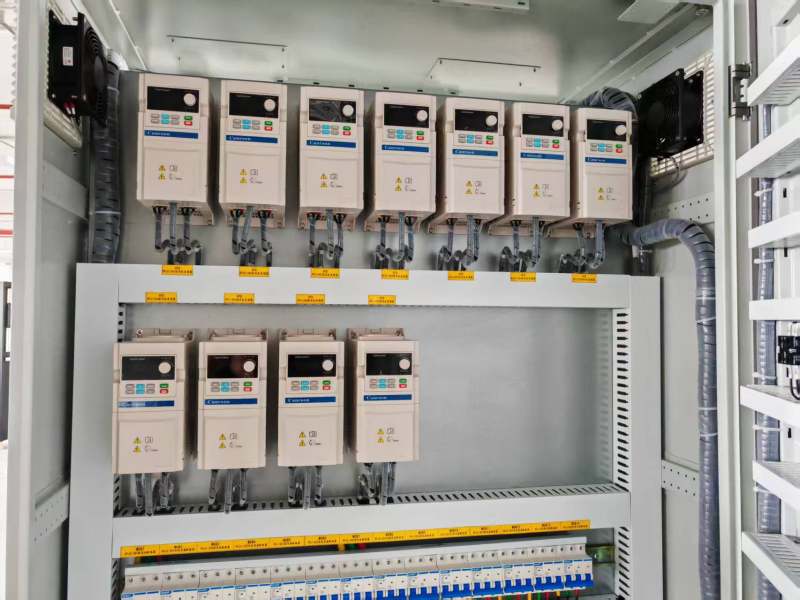
A variable frequency drive changes how fast a motor spins. In HVAC systems, a VFD for HVAC systems lets you set the motor speed to what is needed. This helps you not waste energy when full power is not needed. You can find variable speed drives in chillers, air handling units, and cooling towers. These drives help you control fans, pumps, and compressors better.
Tip: Using a VFD can save you up to 50% on electricity. You pay less for your power bills and spend less on repairs. Motors and fans are quieter at slower speeds, so your building feels more comfortable.
How VFDs Control Motor Speed
A VFD changes the frequency and voltage sent to an AC motor. This lets you change the motor speed without extra parts. You can set the airflow in your HVAC system with simple controls. Lowering the speed of a fan or pump uses much less energy. If you cut the motor speed in half, you can save up to 87.5% in power. The soft start feature means your motor does not get a sudden shock when it turns on. This helps your system last longer and keeps parts from wearing out.
You can use VFDs in cooling towers, chilled water systems, and exhaust systems. These drives help your system work better and cost less to fix. Canroon has VFD solutions that make it easy to get these benefits in your building.
Types of VFDs Used in HVAC
You can pick from different types of VFDs for your HVAC system. The three main types are Voltage Source Inverter (VSI), Current Source Inverter (CSI), and Pulse Width Modulation (PWM). Most HVAC systems use VSI drives because they work well and are easy to use.
Here is a table that shows how VSI and CSI types are different:
You will see VSI drives in most HVAC systems because they handle fast speed changes and fit in small spaces. Canroon offers these efficient solutions for your chillers, compressors, and other HVAC equipment. Picking the right VFD helps your system work better and last longer.
VFD Uses in Chillers, AHUs, and Cooling Towers
Today’s HVAC systems use VFDs to control motors that run chillers, air handling units (AHUs), and cooling towers. Each one benefits from precise speed control. This helps save energy and makes the system work better.
VFD in Chillers
Chillers with variable-speed compressors depend on VFDs to match cooling needs. By changing the compressor motor speed, VFDs cut energy use by about 25-35%. This also reduces wear on parts and makes the chiller last longer. When less cooling is needed, the VFD slows down the compressor. This saves energy and lowers costs. The VFD keeps the chiller running smoothly and quietly. This makes the whole HVAC system more efficient.
VFD in AHUs
Air handling units (AHUs) use VFDs to change fan speeds based on what is needed at the moment. Instead of running fans at full speed all the time, VFDs let fans run slower when less airflow is enough. This improves air quality and cuts down on energy use. In big buildings, VFDs help keep airflow just right and prevent stress on the equipment. Because of this, the fans last longer and need less fixing. Canroon makes sure VFDs are set up correctly in AHUs for the best control and savings.
VFD in Cooling Towers
Cooling towers use VFDs to control fan speeds based on outdoor weather and cooling needs. When it’s cooler outside, VFDs slow down the fans to save energy and reduce wear. When it’s hot, the fans speed up to cool better. This smart control makes cooling towers work more efficiently, keeps temperatures steady, and helps the equipment last longer. Using VFDs in cooling towers saves energy and makes them more reliable, especially in big HVAC systems.
Canroon provides custom VFD solutions for all these parts. Their experience helps connect VFDs smoothly, so energy savings and system performance are maximized. Whether you want to improve chillers, AHUs, or cooling towers, Canroon’s VFDs give you dependable control and efficiency.
VFD Benefits in HVAC
Energy Savings and Cost Reduction
You can see big savings when you use a vfd for hvac systems. The main reason is that the vfd lets the motor run only as fast as needed. When your hvac systems do not need full power, the vfd lowers the motor speed. This cuts down on energy use and lowers your bills. For example, a large hospital network in Singapore used vfds to adjust motor speeds based on real-time needs. They saw a 22% drop in energy consumption and less stress on their equipment.
VFDs help motors match the demand, so you do not waste energy.
You spend less on repairs because the system does not work harder than needed.
VFDs improve the power factor, which can lower your electricity costs and help you meet utility rules.
You also get a fast return on your investment. Even if the first cost seems high, the savings from lower energy use and fewer repairs mean you get your money back in just a few years. Canroon offers solutions that help you reach these savings and boost your system’s efficiency.
System Longevity and Maintenance
When you use a vfd, your hvac equipment lasts longer. The vfd gives a soft start to the motor, so it does not get a sudden shock. This gentle start and stop reduce wear and tear on all parts. You will notice fewer breakdowns and less time spent fixing things.
VFDs extend the life of motors and other system parts by reducing wear.
They lower the number of starts and stops, which often cause damage.
The vfd allows the motor to speed up slowly, so there is less stress on the windings.
Lower speeds mean less heat and friction, so parts do not wear out as fast.
Real-time diagnostics from the vfd help you spot problems early and keep your system running well.
You should remember that regular maintenance is still important. Even though vfds are reliable, checking them often helps prevent failures. Canroon’s experts can help you set up a maintenance plan that keeps your system in top shape.
Improved Control and Noise Reduction
A vfd gives you better control over your hvac system. You can fine-tune airflow and adjust airflow to match what your building needs. This means you get the right temperature and humidity at all times. When the motor runs at lower speed, the system makes less noise. This is great for places like schools, hospitals, and offices where quiet is important.
VFDs let you control temperature, humidity, and airflow more precisely.
Lower motor speed means quieter operation.
You can monitor system performance and get alerts if something needs attention.
Facility managers like having remote access to system data. This helps you keep track of airflow control and make changes quickly. Canroon’s vfd solutions give you the tools to manage your system with ease and keep everyone comfortable.
Impact on Indoor Air Quality
You can improve indoor air quality by using a vfd in your hvac system. The vfd lets exhaust fans and other parts change speed to match ventilation needs. This keeps air moving and helps remove dust, moisture, and other pollutants.
VFDs help maintain good ventilation and steady air circulation.
You can control humidity and reduce airborne contaminants.
Better airflow means a healthier space for everyone.
By using vfds, you also help the environment. Lower energy use means fewer greenhouse gas emissions and less air pollution. Canroon’s vfd solutions support your goals for energy efficiency and a cleaner, safer building.
Implementing VFDs for Optimal Performance
Setup for Chillers
Check your chiller system before making changes. Replace old compressors with ones that have VFDs. This lets you change motor speed when cooling needs go up or down. Put VFDs on pumps to control how fast they run. This helps save energy by matching the pump speed to what is needed. Raise the chilled water temperature a little to use less energy but still keep people comfortable. Use variable primary flow systems so the chilled water works well at different loads. Watch the VFD often to make sure it controls the motor right and does not overload it. Doing these things can cut a chiller’s yearly energy use by up to 30%. Your hvac system will work better and use less power.
Setup for AHUs
Figure out how much airflow you need first. Put VFDs on the fan motors so you can change airflow as needed. Use vector control for better motor control, especially when the load changes. Set the VFD to use less energy by slowing the fans when not much air is needed. Make the system adjust airflow by itself using sensors or timers. Make sure the VFD works with your hvac system so there are no problems. Check the VFD settings often and look at the data to make sure it works well. Setting up VFDs the right way can save up to 50% energy. It also helps keep the air comfy and at the right temperature.
Setup for Cooling Towers
Pick a VFD that fits your cooling tower fan motors. Make sure the motor spins the right way and set the VFD to control the speed. Use brakes or anti-ratcheting devices so the fan does not spin wrong. When it is cold, slow the fans to stop ice from forming. When it is hot, speed up the fans over 60 Hz for more cooling. Check for shaking or vibration and avoid speeds that cause problems. Connect the VFD to your building management system so it can change speeds by itself. It will use water temperature and outside weather to decide. These steps help your cooling tower last longer and save energy.
Optimization Tips
Measure how much air moves at the start and set your airflow goals. Use this formula to set motor speed: new Hertz = (desired speed / base speed) × rated frequency. Check the VFD settings often and change them if your system or loads change. Use the right cables and think about dust or wetness in the area. Ask Canroon experts for help to set up your VFDs for your hvac system. This makes sure you save the most energy and your system lasts longer.
You get lots of good things when you use VFDs in your HVAC system.
You pay less for energy because you only use what you need.
Your equipment lasts longer since it does not wear out as fast.
The system is quieter, so it feels more comfortable.
You will have fewer repairs and less time when things are broken.
If you slow the motor down a little, you can use almost 30% less power. Picking a brand like Canroon means your system works well and you can control it easily.
Tip: First, measure how much air is moving and check your VFD settings. Watch how your system is working. You can put VFDs on pumps, fans, and compressors to save even more. For the best help, talk to a Canroon expert or set up a system check.
FAQ
What is the main benefit of using a VFD in my HVAC system?
You save energy and lower your electric bills. A VFD lets your motors run only as fast as needed. This reduces wear and helps your equipment last longer.
Can I install a VFD on existing HVAC equipment?
Yes, you can add a VFD to most motors. Check if your motor is compatible. You may need help from an HVAC professional for safe installation.
How do VFDs help reduce noise in my building?
A VFD slows down fans and pumps when full speed is not needed. This makes your HVAC system quieter. You notice less vibration and a more comfortable space.
Do VFDs need regular maintenance?
Tip: Check your VFDs often for dust, loose wires, or error codes. Clean them and follow the manufacturer’s guide. Regular checks help you avoid problems and keep your system running well.
Sign up for updates