





Yes, you can use an ip65 VFD outdoors without putting it inside an extra protective box. This special drive has a fully sealed outer body. Its tough shell naturally protects the inside from thick dust and strong water sprays coming from any angle.
You can safely attach these units right onto field machines in tough work settings:
Agriculture irrigation pumps
Mining extraction operations
Petroleum refineries
Rooftop HVAC systems
By picking a direct-mount ip65 VFD, you do not need to buy costly extra control cabinets. This setup method greatly lowers your overall installation costs. Plus, you save helpful floor space while keeping important motor control gear safe.
Key Takeaways
Direct-mount IP65 VFDs remove the need for pricey protective boxes and greatly reduce total project setup expenses.
Tightly sealed IP65 covers keep delicate inside parts safe from thick outdoor dirt and powerful water jets.
Sunshades and inside cabinet heaters keep outdoor drives safe from severe heat and damage caused by freezing weather.
Using the right cable seals and curved wire loops keeps water out so outdoor equipment works well for a long time.
IP65 VFD Protection Standards
Ingress Protection vs IP20
The IEC 60529 rule sets exact safety levels for outdoor power machinery. An ip65 VFD gives full defense against fine dust and strong water sprays. The sealed drive cover uses a thick rubber seal to keep all sensitive electronics safe during stormy weather and tough outdoor conditions.
Standard indoor drives only have an IP20 rating. These simple drives use open frames and need extra protective metal boxes to work outside. Buying an extra IP65 box usually costs between £39 and £56, which adds a 10-20% extra price tag over basic IP54 boxes. You skip these extra box costs entirely when you pick direct-mount outdoor drives. This smart choice helps keep your technical project within your budget.
Decentralized Outdoor Advantages
Spread-out setups put the variable frequency drive right on or beside your working machinery. This modern design swaps out huge main control cabinets that sit in far-off power rooms. Choosing a standalone ip65 VFD guards your equipment while keeping workers safe from dangerous electrical shocks in messy job sites.
You also save a lot of electrical wire when you put your drives right next to your motors. For example, a standard main setup with eight moving parts needs 248 meters of pricey wire. A spread-out design using tough outdoor drives near the motors drops that need to only 34 meters of wire.
This big wire drop makes field setup simple and cuts your total supply costs. Shorter wiring paths remove extra electrical breakdown points across your plant. You also skip adding expensive box fans because heat escapes directly into the outside air. This natural cooling trick keeps upkeep work very low for your business.
Managing Outdoor Environmental Risks
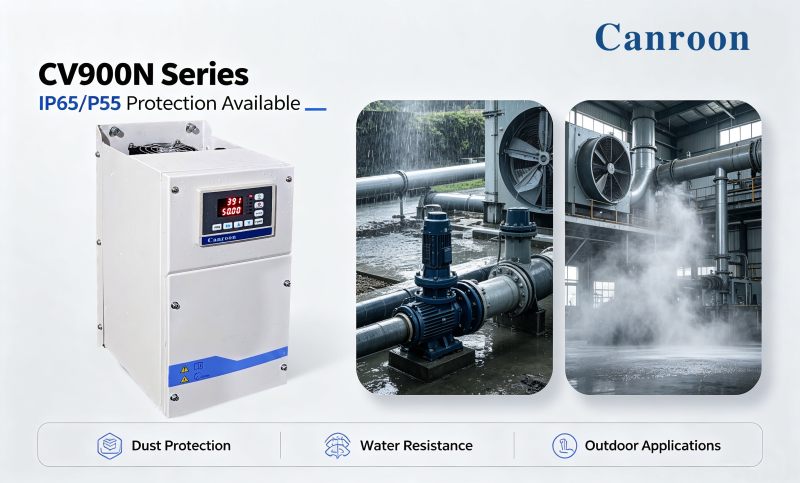
Protection Against Dust and Moisture
Dirty job sites like mines, rock crushers, and oil refineries pump tons of dust and water into the local air. A basic filtered IP20 cabinet requires nonstop care in these tough work zones. Technicians must check air filters every week or two to prevent dangerous dust clogs. Blocked air filters quickly stop airflow, which leads straight to major heat-related drive breakdowns. Seeing dust pile up inside a cabinet clearly shows that the weather protection system is failing.
A sealed IP65 VFD system totally gets rid of these annoying upkeep chores. The completely sealed cover protects inner electronics, so fine dirt and strong water streams cannot get inside. You drop regular filter changes and continuous checking schedules right out of your daily routine. Plant managers can also add closed-loop heat coolers sized at 1.5 times the expected heat load for extra cooling in dirty spots. This smart setup choice lowers daily running costs and prevents costly machinery downtime.
Temperature Extremes and Freezing Risks
For hot outdoor air over 35°C, install box air conditioners set between 30–35°C. When using fan systems, run cabinet cooling fans that push 100–200 CFM for every kW of lost heat. Clean the air filters on these fan setups every 3–6 months. You must also leave open spaces of 200mm above and 200mm below the drive body to help natural air movement.
Freezing winter weather brings serious dangers to outdoor motor control gear. Inner capacitor parts can freeze when electric power stays off overnight in cold places. Turning on frozen capacitors causes total part destruction. In one real event on Mount Hood, a rock crusher worker turned on a cold drive at ~20°F after leaving the power off all night. The frozen parts blew up like a bomb at startup and launched the heavy cabinet door far down the mountain.
You can defend your drive setup by using four main cold-weather safety plans:
Install cabinet heaters with temperature controls to keep inner spaces warmer than the local moisture point every day.
Never turn on frozen capacitors under any conditions before warming up all the inner electrical parts.
Use pre-start warm-up steps or small electric currents to heat drive parts safely before full power arrives.
Check capacitor health and internal power resistance regularly during maintenance because extreme cold raises inner electrical friction.
Advantages of Variable Frequency Drives Outdoors
Eliminating External Enclosures
You can mount an ip65 VFD straight onto outdoor machinery. This smart decision fully removes any need for extra protective metal boxes. Standard indoor drives require heavy outer cases to endure rain and dust. Direct-mount units provide complete weather protection right from the start.
This streamlined setup approach cuts down your total project costs in a few clear ways:
Removing the need for a separate protective cabinet.
Shortening the required cable runs for your motor.
Cutting the labor time and expenses needed to mount the drive.
A real project involved a roof-mounted exhaust fan where technicians mounted a high-protection drive on a wall near the motor. This decision eliminated a separate, remotely located control cabinet and saved all the space that cabinet would have occupied.
Reducing Footprint and Cabling
Removing external boxes frees up valuable space on your work site. You can optimize equipment layouts easily in tight outdoor spaces.
Placing the drive near your motor offers great technical perks. You cut material costs when you buy shorter cable runs. Shorter wiring also lowers setup time and labor expenses during the installation.
Short motor cables defend your field equipment against electrical noise. Long motor lines work like broad antennas that broadcast electrical signal trouble across your plant. Installing your drive within 50 feet of the motor fixes this antenna issue completely. This basic setup gives you the cheapest way to control noise in outdoor sites.
Best Practices for Outdoor Installation

Thermal Protection and Sunshades
Direct sunlight heats outdoor drive enclosures rapidly during daylight hours. In 100°F (38°C) ambient air, internal enclosure temperatures can reach 122–140°F (50–60°C). Hot operating conditions shorten the service life of sensitive electronic parts. Operating 10°C above rated temperature approximately doubles the capacitor failure rate. You must protect your variable frequency drive from direct solar heat gain to ensure stable performance.
An important consideration is the effects of direct sunlight, in which all precautions should be taken to remove the effects by providing adequate shelter.
Installing a simple weather shield or sunshade reduces solar thermal load by 15–25°F (8–14°C). Modern Generation 4 drive designs feature improved self-cooling efficiency with maximum ambient ratings up to 50°C (122°F) without derating. You should maintain cooling airflow through routine care steps:
Inspect internal cooling fans regularly to confirm proper blade rotation and active airflow.
Clean clogged air filters and vacuum dust layers off heatsink fins after shutting off power.
Sealing and Cable Management
Proper cable gland installation preserves the sealed enclosure against environmental moisture ingress. You should select nickel-plated brass PG9 glands equipped with NBR rubber compression seals. These durable metal glands withstand extreme outdoor weather across temperatures from -40°C to +100°C. You must obtain authoritative torque values from the manufacturer installation manual to tighten terminal connections correctly.
Incorrect gland sizing or poor installation introduces severe failure risks on field sites. Undertightening fails to compress internal seals, while overtightening cracks gland bodies or damages cable sheaths. Mismatched cable glands can degrade enclosure protection from IP66 down to IP54 in practical outdoor applications. You must match cable diameters to gland sizes precisely. Always install drip loops on vertical cable runs to prevent water from running directly into wiring entries.
Direct-mount ip65 VFD units simplify your outdoor motor control projects. You eliminate heavy secondary enclosures and lower overall installation costs. However, you must prepare for environmental extremes. Install sunshades to block direct solar radiation and use internal heaters to prevent freezing risks in cold weather.
Modern drives transform outdoor motor control by combining rugged IP66 or NEMA 4X protection with smart IIoT monitoring and predictive maintenance.
Silicon Carbide power modules offer higher thermal efficiency and reduce energy losses by up to 50%. You can easily optimize field operations and protect your equipment. Choose high-protection drives today to secure long-term reliability for all outdoor installations.
FAQ
Can you install an IP65 VFD directly outdoors without a secondary box?
Yes, you can attach an IP65 VFD right outside. Its tight outer case keeps heavy dust and strong water sprays away from inner parts. This setup saves you money on expensive extra cabinets and frees up space at your work site.
How does an IP65 rating protect your drive from water?
Based on the IEC 60529 standard, an IP65 rating means full safety against low-pressure water streams. Tests use a 6.3 mm nozzle spraying 12.5 L/min of water at 30 kPa pressure. This sturdy seal keeps rain and spray out of your drive.
Why should you use sunshades with outdoor variable frequency drives?
Bright sunlight heats up outdoor drive cases very quickly during the daytime. Too much heat doubles capacitor breakdown rates and drops overall drive power. Putting up basic sunshades blocks direct solar heat. This shade keeps inner parts cool and helps the drive last much longer.
What happens if you turn on a VFD in freezing temperatures?
Inner electrolytic capacitors can freeze if power stays off overnight in freezing weather. Turning on frozen capacitors ruins electrical parts right away and breaks the equipment. You must heat up inner drive parts with cabinet heaters before switching on full power.
Previous:
Next:
Sign up for updates