





Imagine you have to heat steel quickly for a fix. Portable induction heating generators heat metal fast without touching it. You can use them for many metalworking jobs. You stay safe if you set up the tool right and follow safety rules. Induction heating is good for metal work in busy shops.
Key Takeaways
Portable induction heating generators heat metal fast and safe. They do not use flames. This makes them great for many metalworking jobs.
Pick the right coil design for your metalwork job. This helps heat the metal well. It also keeps the equipment from breaking.
Always put safety first. Wear protective gear. Get your work area ready. Follow the rules to take care of your induction heating generator.
Induction Heating Basics for Metalworking
How Induction Heating Works
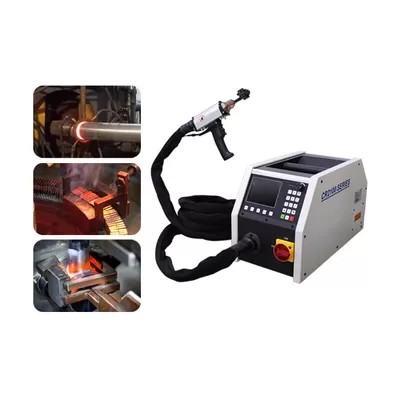
Induction heating lets you heat metal fast and safely. It uses electromagnetic fields around the metal. These fields make electric currents inside the metal. The currents heat the metal up. You do not need to touch the metal or use fire. The metal gets hot and soft, so you can shape or join it. Induction heating is used for hardening, annealing, tempering, brazing, and soldering.
Induction heating warms metals fast without using fire.
Electromagnetic fields make heat inside the metal.
This helps make metal easier to machine.
Many factories use induction heating for different jobs.
Benefits for Metalworking Tasks
Portable induction heating generators have many good points for metalworking. You save time because they heat metal in seconds or minutes. Induction heating uses up to 90% of the power to heat the metal. Other ways waste more energy. You only use power when you need to heat something. This makes it more energy efficient. Induction heating works best with ferrous metals because of magnetic hysteresis and Joule heating. You get fast, safe, and exact heating every time.
Why Choose Canroon Portable Induction Heaters
You need tools you can trust for metalworking. Canroon portable induction heaters are great for this work. You can move them from place to place easily. The water cooling system keeps the machine safe and working well. You do not need special lessons to use them. You can set the temperature for different metals. This helps you get the right results every time. Canroon portable induction heating generators help you work faster and safer.
Using Portable Induction Heating Generators Safely
Key Components and Setup Steps
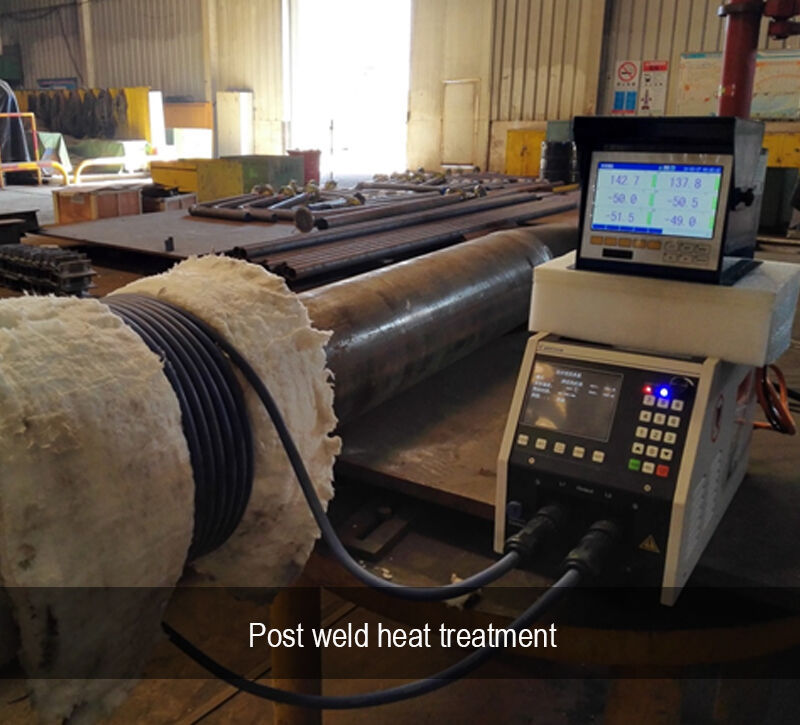
You should know the main parts before you use portable induction heating generators. These machines have many important pieces that work together to heat metal fast and safely. Here is an easy guide to help you set up your portable induction heaters for metalworking:
Solder the MOSFETs onto a perf board.
Put fast diodes between the drain and gate of each MOSFET on the bottom of the board.
Connect the VCC wire from your power supply through two 220 ohm resistors to each transistor’s gate.
Ground both sources to keep the system steady.
Solder the work coil and capacitor bank side by side, then connect each end to a different drain.
Run power to the drains of each MOSFET using two 50uh inductors.
You should use N-Channel MOSFETs with a high Vds rating. These can handle big currents and protect your induction heating generator from spikes when switching. Capacitors help control the output frequency, which should be close to 20KHz for the best results. You can use an LC frequency calculator to find the right mix for your job.
Safe Operation and Work Area Preparation
Safety is very important when you use portable induction heating generators for metalworking. You must get your work area ready and follow safety steps every time you use the machine. Here are some good rules to keep you and others safe:
Make a hot work permit system run by trained supervisors.
Only do hot work if there are no safer ways.
Make sure all workers are trained and the equipment works well.
Keep fire protection ready and have a fire watch during heating.
Always check for risks before you start heating.
Clean up waste and tools when you finish.
You should also follow these steps for safe use:
Wear personal protective equipment like gloves, goggles, and fire-resistant clothes. Make sure the area has good airflow to stop bad gases from building up. Use machine guards and barriers to prevent accidents. Check your portable induction heaters often and follow the maintenance plan from the maker. Give clear jobs for emergencies and practice evacuation drills.
Coil Selection and Efficiency Tips
Picking the right coil is important for good and safe induction heating. The coil design changes how well your portable induction heating generators work. You need to think about the number of turns, wire thickness, core material, and the coil’s shape and size. These things control the magnetic field strength, coil resistance, and how heat spreads out. A good coil design helps you save energy and keeps your equipment safe.
Here are some tips for picking coils:
Good coil winding gives enough power for heating. Make sure all turns go the same way.
Put thermocouples near the coil’s center to stop overheating.
Use a single-turn coil for heating a small area or moving along a workpiece.
Pick an internal coil for heating inside holes.
Choose a multi-turn helical coil for longer heating spots.
Try a multi-position helical coil for full heating in many places.
Use a curved channel coil for rotary table assembly.
Pick a pancake coil for heating flat surfaces from one side.
Use a hairpin coil for long, thin parts or moving steel and aluminum.
You can use portable induction heaters for many jobs, like hardening or annealing metal, soldering and brazing, heating before welding, heating after welding, shrink fitting, and heat treating parts. The right coil helps you heat metal just right for each job.
Tip: Always match the coil type to your workpiece’s shape and size. This makes heating better and keeps your portable induction heating generators safe.
Applications and Maintenance in Metalworking
Common Metalworking Uses
Portable induction heating generators help with many metalworking jobs. These tools make your work faster and safer. Here are some common ways people use them:
Take off rusted or stuck parts.
Make metal bigger for shrink fitting.
Bend and shape metal for special parts.
Make metal harder or softer for strength or bending.
Join pieces together by soldering or brazing.
Heat metal before welding.
Tighten or loosen bolts and nuts.
Shrink fit bearings or bushings.
Heat parts during assembly.
Treat parts with heat.
Induction heating lets you control the heat very well. This is important for big jobs in factories.
Tips for Different Metals
You need to know how metals act with induction heating. Ferromagnetic metals like steel work best. You can use induction heating for cast iron, steel, and stainless steel. These metals are magnetic and conduct electricity. Non-ferromagnetic metals like copper and aluminum also work. But you need higher frequencies or special settings for them. Always read your machine’s manual for the right settings. This helps you get good results for hardening, bending, and shaping.
Tip: When soldering or brazing, heat only the spot you need. This saves energy and keeps your work area safe.
Maintenance and Troubleshooting
Take care of your induction heating generator so it works well. Follow these steps:
Use clean water or treated water to stop scale.
Check coils and heating parts often.
Watch steam, pressure, and temperature.
Do not run the system if you do not need it.
Keep a schedule and write down all maintenance.
If you have problems, look for uneven heating, not enough water, high voltage, or grounding problems. Checking your machine often helps you avoid delays and finish your projects on time.
You can use Canroon portable induction heating generators for metalworking by following these steps:
Place the metal in the coil and center it.
Start the heater and watch the display.
Monitor the metal and adjust settings.
Turn off the heater and let the metal cool.
Always wear protective gear and check your equipment.
Choose the right coil for annealing or hardening.
Keep your machine clean for safe annealing and heating.
Explore more Canroon solutions or ask experts for special metal tasks.
FAQ
How do you choose the right induction coil for metalworking?
You should match the coil shape to your metal. For flat pieces, use a pancake coil. For round parts, use a helical coil.
Can you use induction heating on all types of metal?
You can use induction heating on most metals. Ferrous metals heat faster. Non-ferrous metals like aluminum need higher frequencies.
What safety steps should you follow when using portable induction heaters?
Always wear gloves and goggles. Keep your work area clean. Never touch hot metal. Check your equipment before each use.
Sign up for updates