




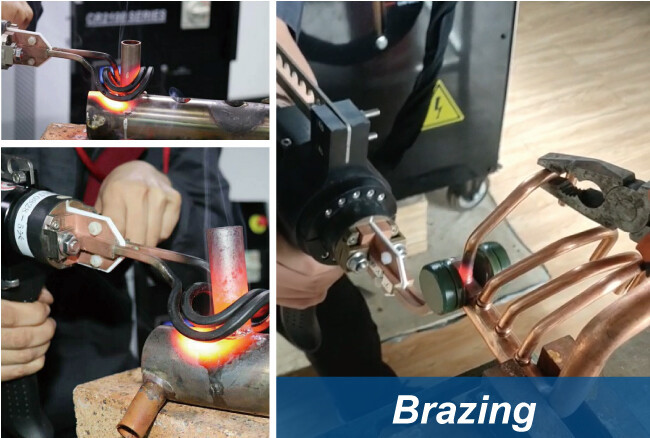
If you want the best induction metal heater for precision heating in 2026, look for models with smart controls, strong power, and good safety features. Induction heating is changing how people work with metals. It gives fast and accurate results. You do not need open flames, and you save energy. Here are some facts:
The induction heating system market is growing quickly. It will be worth billions by 2035.
People use it for automotive hardening, metal sheet annealing, and spot welding.
Malaysia’s market is growing because of better mechanical properties and more precision.
Look at this easy comparison of induction heating benefits:
When you choose a heater, think about power, frequency, safety, cost, your material, and coil design. Canroon gives you reliable solutions to help you work well. This guide will help you pick the right tool. It works for big factories and small workshops.
Key Takeaways
Induction metal heaters heat things quickly and exactly. They do not use open flames. This makes your workspace safer and helps you work better.
Pick models with smart controls and strong power. Good safety features are important for reliable use.
Think about what you need to heat. Check the material type and job size. This helps you pick the right heater for your work.
Induction heating uses up to 50% less energy than old ways. This means you spend less money over time.
Pick a well-known brand with good help and support. This makes sure you get the best results and help when you need it.
Top Induction Metal Heaters for 2026
Quick List of 7 Best Models
Here are seven top induction metal heaters for 2026.
HeatMaster Pro 800
PowerForge X5
ThermoFlex Ultra
TitanHeat 3000
FlexiHeat Mobile
EcoInduct Lite
These induction metal heaters work for many tasks. Some are great for big factories. Others are good for small shops or repairs in the field. Each one has something special to offer.
Why These Induction Metal Heaters Lead the Market
You may ask why these induction metal heaters are the best. Let’s look at the reasons. The best induction metal heaters use new technology. They have smart coils and strong power. Their controls can connect to the internet. You can change settings to fit your needs. If your business grows, these induction metal heaters can grow with you.
Here is a table that shows what is important when picking induction metal heaters:
These induction metal heaters do more than just heat. They let you watch and control the temperature as you work. You use less energy, so you save money and help the earth. The design makes it easy to fix or upgrade parts. If you need something special, you can get it fast.
Tip: Pick induction metal heaters with smart features and good support. This helps you get the best results for your work.
If you want heating that is reliable, efficient, and flexible, these induction metal heaters are the top choices for 2026.
Induction Heating Basics
How Induction Heating Works
You may wonder how induction heating works. It uses electricity and magnetism to heat metal. The metal does not need to be touched. A coil makes a magnetic field that changes. When you put metal in the coil, the field moves through it. This makes eddy currents inside the metal. These currents heat the metal fast and evenly.
Here is a simple table to show the main ideas of induction heating:
Induction heating gives you lots of control. You can change the coil, power, or frequency. This helps you get the results you want.
Key Advantages for Precision Heat
Induction heating is great for safe and precise heating. It works fast and saves energy. Here are some top reasons people use induction heating:
Tip: If you want to make your work better, induction heating gives you speed, safety, and accuracy. You can use it in many industries. It works for both big and small projects.
Induction heating lets you heat only the part you need. You waste less energy and get better results. Your team is safer because there is no fire or hot surfaces. If you want a modern way to heat metal, induction heating is a smart choice.
Induction Metal Heater Tool Reviews
Are you trying to find the right induction metal heater for your work? These tool reviews will help you choose. Each review explains what makes each model special. You will learn how each one works and where it is best used. Let’s look at the top seven induction heating tools for 2026.
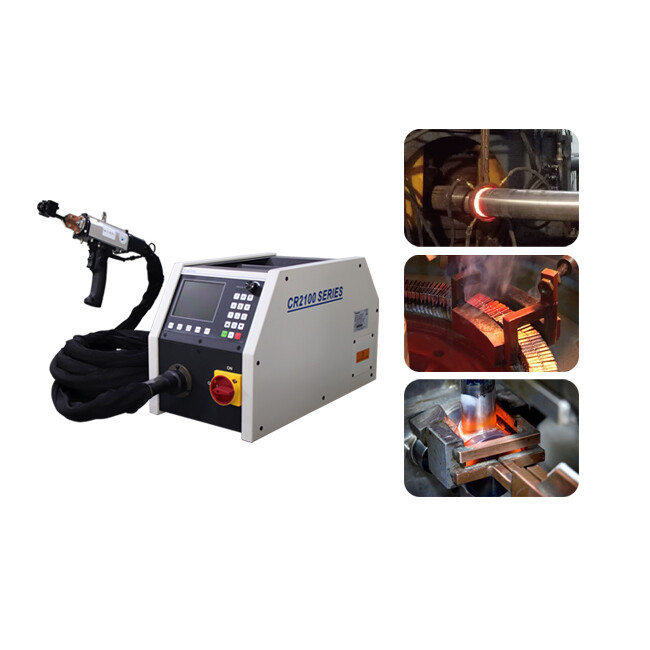
Canroon CR2100: High-Precision Industrial Heater
The Canroon CR2100 is a good choice for factories. It is portable, so you can move it easily. The digital control helps you change settings fast. You can use it to heat pipes or other metal parts. The water cooling system keeps it safe and cool. Even if you are new, the controls are easy to use.
Unique Features:
You can carry it anywhere
Water cooling keeps it from overheating
High-frequency output heats metal fast and evenly
Controls are simple for everyone
Pros:
Heats up quickly and with high accuracy
Water cooling makes it safe
Easy to use and move around
Cons:
Works best in factories or big workshops
Needs a 3-phase power source
Ideal Use Cases:
Pick this induction metal heater for factory jobs or pipe heating. It is also good for any job that needs strong, steady heat. Canroon is known for making quality products, so you can trust it.
HeatMaster Pro 800: Compact Workshop Solution
If you have a small shop, the HeatMaster Pro 800 is a great fit. It is small but still powerful. The control panel is easy to use. You can set the temperature and time without trouble. The coil spreads heat evenly, so your work looks smooth.
Key Specs:
Power: 8 kW
Frequency: 30-80 kHz
Coil: Adjustable, multi-turn for better energy transfer
Safety: Overheat protection and auto shut-off
Cost: Mid-range, good value for small businesses
Unique Features:
Small size fits anywhere
Quick to set up and use
Works for steel and other metals
Pros:
Fits in tight spaces
Good for beginners
Has strong safety features
Cons:
Not made for big factory jobs
Only works with small parts
Ideal Use Cases:
This induction metal heater is great for fixing cars, making tools, or small jobs. It is perfect for shops that need a heater that does not take up much space.
PowerForge X5: Energy-Efficient Performance
If you want to save energy, try the PowerForge X5. It uses less power but still works well. You can change the frequency and power for each job. The coil can fit different shapes, so you get even heat.
Key Specs:
Power: 5 kW (high power density)
Frequency: 10-100 kHz (adjustable)
Coil: Customizable, multiple-turns for even heating
Safety: Built-in sensors for temperature and current
Cost: Higher upfront, but lower running costs
Unique Features:
Uses less energy to save money
Smart controls for exact heating
Coil fits many shapes
Pros:
Saves money over time
Works well with many materials
Sensors keep it safe
Cons:
Costs more at first
Needs setup for custom coils
Ideal Use Cases:
Use this induction metal heater if you want to save energy. It is good for small factories or busy workshops. It also helps if you want to be more eco-friendly.
ThermoFlex Ultra: Advanced Control Features
Do you want more control over your heating? The ThermoFlex Ultra lets you change many settings. You can adjust power, frequency, and coil position. The digital screen shows you what is happening. Safety features turn it off if there is a problem.
Key Specs:
Power: 12 kW
Frequency: 1-120 kHz (wide range)
Coil: Adjustable and interchangeable
Safety: Multiple alarms and emergency stop
Cost: Premium price for advanced features
Unique Features:
You can watch and control everything in real time
Works with many types of metal
You can swap out the coil
Pros:
Gives you lots of control
Works with many shapes and metals
Has strong safety features
Cons:
Costs more than other models
May be too hard for simple jobs
Ideal Use Cases:
This induction metal heater is best for labs or advanced factories. Use it when you need to control every part of the heating process.
TitanHeat 3000: Heavy-Duty Capacity
The TitanHeat 3000 is made for big jobs. You can get it in two versions. The strong metal case keeps it safe. You can add extra parts if you need them. The touch screen is easy to use. It keeps the temperature steady, so every part is the same.
Unique Features:
Strong build for tough jobs
Touch screen for easy control
Saves space and money
Pros:
Handles big, heavy parts
Keeps heat the same everywhere
Easy to upgrade
Cons:
Too big for small shops
Costs more at first
Ideal Use Cases:
Pick this induction metal heater for big factories or heat treatment plants. It is good for places that need to heat lots of metal at once.
FlexiHeat Mobile: Portable Field Heater
Sometimes you need to bring the heater to the job. FlexiHeat Mobile is easy to move. It is light and has wheels. The controls are simple, so you can start fast. The coil wraps around pipes or odd shapes for even heat.
Key Specs:
Power: 4 kW
Frequency: 20-60 kHz
Coil: Flexible, wraps around objects
Safety: Insulated housing, auto shut-off
Cost: Affordable for field use
Unique Features:
Easy to move anywhere
Coil fits many shapes
Fast to set up and pack away
Pros:
Great for repairs outside the shop
Simple controls
Safe for outdoor jobs
Cons:
Not as strong as big models
Not for big jobs
Ideal Use Cases:
This induction metal heater is perfect for fixing things on-site or pipe work. Use it when you need heat away from your shop.
EcoInduct Lite: Budget-Friendly Precision
If you want good results for less money, try EcoInduct Lite. It gives you even heat and good control. The coil is simple but works well. You can set the temperature and time. Safety features keep it from getting too hot.
Key Specs:
Power: 2 kW
Frequency: 50-100 kHz
Coil: Basic, single-turn for small parts
Safety: Overcurrent and overheat protection
Cost: Low, best for budget buyers
Unique Features:
Low price
Easy controls
Safe for new users
Pros:
Good value for the price
Simple to use
Great for small, careful jobs
Cons:
Not for big or tough jobs
Only works with small parts
Ideal Use Cases:
Use this induction metal heater for hobbies, small repairs, or learning about induction heat.
Tip: When you read these reviews, think about power, frequency, safety, cost, and coil design. High power heats thick metal faster. Low frequency is best for big parts. High frequency works better for small jobs. Custom coils help you get even heat and better results.
These reviews help you compare the best induction metal heater for your needs. You can pick a high-tech model for a factory or a simple one for your shop. Each review gives you the facts you need to choose well.
Specs and Performance Comparison
Performance Metrics Overview
You want to know how these induction heaters compare. Here is a tool chart that shows power, frequency, heating efficiency, and safety features. This makes it easier to pick the right one for your job. Some are good for taking off rusted bolts. Others are better for big factory work.
Induction heaters work well and give you choices. Each one helps you heat metal fast and safely. Safety features like thermal shutoff and heat shields keep you safe from burns or shocks. You can use these heaters for small or big metal parts. You do not have to worry about getting hurt.
Efficiency and Cost Analysis
Induction heating is very efficient. It can reach up to 90% heating efficiency. Old ways only get 40-60%. This means you save energy and money. Induction heaters also need less fixing because they have fewer moving parts. They heat things faster, so you finish work quickly.
You can see how much energy you save. Induction heaters help you spend less and work better. You use less power and have less downtime. Your workspace is safer too. If you need to heat bolts or metal parts, induction heaters do a better job and cost less. This shows why induction is a smart way to heat metal.
Tip: Pick induction heaters for the best efficiency and safety. You get steady heat, save money, and finish jobs faster.
Choosing the Right Induction Metal Heater
Assessing Your Application Needs
You want the best tool for your job. Start by thinking about what you need to heat. Ask yourself: What kind of metal do you use? How big are the parts? Do you need deep heat or just surface heat? These questions help you find the right heater for your work.
Here’s a quick table to guide you:
Tip: Write down your needs before you choose. This helps you focus on what matters most.
Key Features to Consider
When you pick an induction metal heater, look for features that boost precision and make your work easier. Here are the most important ones:
Power output—Make sure it matches your part size and type.
Frequency—Pick the right one for your heating job.
Heating speed—Faster heating saves you time.
Temperature control—Keeps your process safe and steady.
Supplier reputation—Choose brands known for performance and reliability.
You also want energy efficiency. Many heaters reach up to 90% efficiency. Adjustable power levels give you more control and precision. Higher frequencies help with small, detailed jobs. Lower frequencies work better for large parts.
Matching Models to Use Cases
Not every heater fits every job. You need to match the model to your task for the best performance and reliability. Here’s a table to help you decide:
If you want precision for small parts, go for a model with a high frequency and focused coil. For big jobs, pick a heater with more power and a sturdy design. Always check if the model fits your workspace and safety needs.
Note: The right heater gives you better results, saves energy, and keeps your team safe.
Real-World Induction Heating Applications
Industrial Success Stories with Canroon
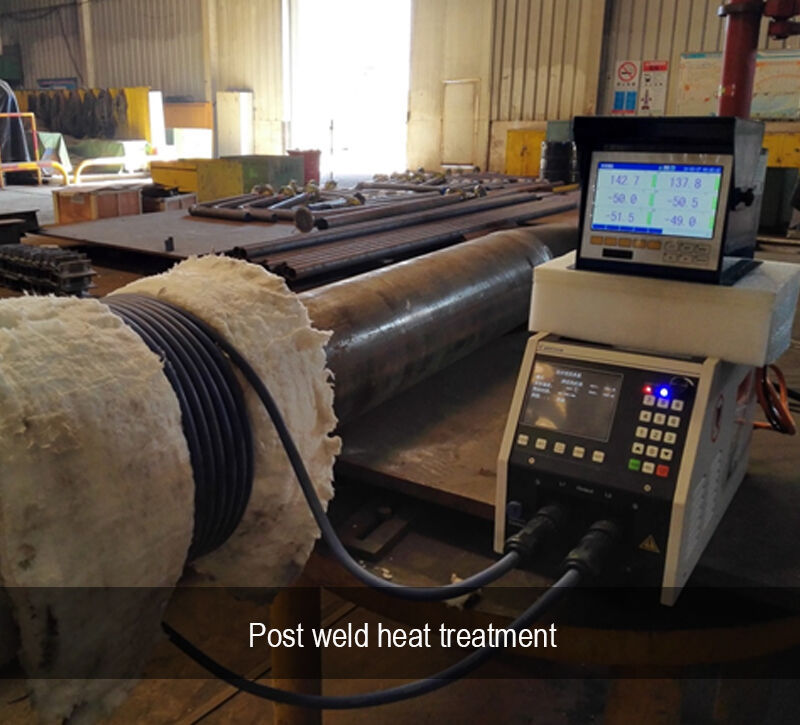
You may wonder how induction heating helps in real life. Here is a story from a factory. Canroon helped a company that makes carbon fiber parts. The team made a new heating area inside the coil. They worked carefully with carbon materials. The process made a very hot spot. This showed the system was ready for the customer. This project proved Canroon’s induction heating works well and is reliable. You can see why precision and control are important. They help every part come out just right. Many companies trust Canroon for energy-saving solutions. These keep their factories running smoothly.
If you look at the benefits, you will see why many people pick induction heating for factories:
Workshop and Hobbyist Use Cases
You do not need a big factory to use induction heating. Many small shops and hobbyists use these tools every day. Here are some common uses:
Jewelry making: You can melt and shape gold, silver, or platinum.
School projects: Teachers use induction heaters to show how metals change in science class.
Induction heaters make small jobs easier. You can plug many models into a normal outlet. Some have a battery, so you can work if the power goes out. People like how these heaters save energy and work well.
Here are more reasons why users like induction heating for making things:
Easy to install
Save $54 to $71 on energy each year
82% of users are happy with their heater
You can trust induction heating for jobs that need reliability, energy savings, and good control. Whether you work in a big factory or a small shop, these tools help you every day.
You’ve seen how induction metal heaters can save you energy and boost your work speed. Here’s a quick look at what matters most:
If you run a factory, go for high-power models. For workshops, pick compact heaters. Hobbyists should choose simple, safe options. Check this guide before you buy:
Need help? Canroon’s experts are ready to guide you.
FAQ
What makes induction metal heaters better than traditional heating tools?
Induction heaters warm metal much faster. They use electricity instead of fire. This makes your work area safer. You also save energy when you use them. You get better results and waste less metal.
How do I choose the right temperature control system for my project?
Think about what kind of metal you have. Also, check how big your job is. Pick a system that lets you set the heat easily. You should be able to watch the temperature as you work. Good controls stop your metal from getting too hot.
Can I use induction heaters for restoration work?
Yes, you can use them for this. Induction heaters help take off rusty bolts. They also heat old metal parts. Many people use them to fix cars, bikes, and machines.
Where can I find reliable mini-ductor reviews?
You can look at forums and company websites. User blogs are also helpful. Reviews from real people help you choose the best mini-ductor. Always read honest stories and detailed tips.
Sign up for updates