




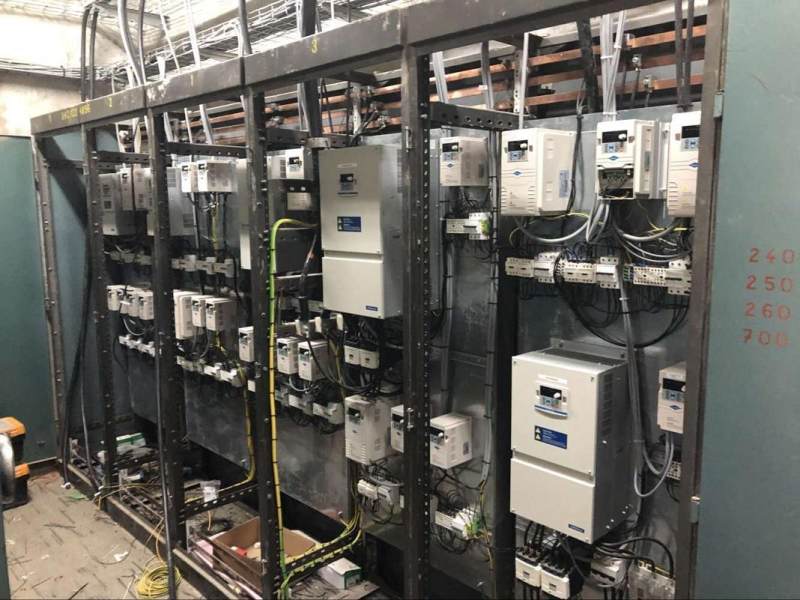
Imagine you need to make your factory machines better. You want a vector drive that works with your motor. It should also give enough power. Picking the right vfd helps your machines work safely. It also helps them work well. Good brands like Canroon are very reliable. This helps you stop expensive problems. You need easy steps to match the drive to your system. You also need to match it to your job. Begin with checking if it fits and the right size. Then you will get the best vfd for your project.
Key Takeaways
Always look at your motor's nameplate. Check the voltage, horsepower, and amps. This helps you pick the right vector drive.
Make sure the vector drive fits your motor and job. This helps your system work well and stay safe.
Think about where you will put the drive. Dust, heat, and water can change how it works.
Pick a good brand like Canroon. Good brands give better help and break less often.
Use online tools or ask experts for help. This helps you choose the best drive for your needs.
Vector Drive Compatibility
When you pick a vfd, start by making sure it fits your system. The drive should work with your motor and other equipment. If you skip this, your machines might not work well. You could lose time and money. Let’s see what you need to match and why it is important.
Motor and System Matching
Your drive must fit your motor and system. Check the voltage, current, and horsepower. If you choose the wrong size, your motor may have problems. You also need to see how your drive connects to your control system. Some drives use different ways to talk to each other. If they do not match, your system might not run.
Here are some common problems you might see:
Makers give you steps to check if your drive fits. You can follow these steps to stop mistakes:
Make sure the voltage, current, horsepower, and overload match your motor.
Know what your job needs and how you want to control it. Pick the drive that fits your load and torque.
Check if your drive can talk to your system. Make sure it uses the right way to connect.
Plan to move settings from old drives to new ones. Use tools to help with this.
Make sure your drive keeps your system safe. Add filters if you need them.
Ask experts for help if you need to replace something hard.
Tip: Always look at your motor’s nameplate. This helps you pick the right vfd and saves you from mistakes.
Application and Load Types
What your machine does will help you pick your drive. Not every motor or load needs the same drive. Some jobs need quick starts and stops. Others need to go at the same speed or need more power. You need to know your load before you pick a variable frequency drive.
Here is a table to help you see which drive fits your load:
If your machine starts and stops a lot or has a light load, you may need a servo drive. If your machine is heavy or does not start and stop much, a vector drive is better. Always match your drive to your motor and your job. This helps your system work well and stay safe.
When you think about your job, ask how your machine works. Does it start and stop many times? Does it need to move heavy things? These questions help you pick the best vfd for your job.
Note: Picking the right drive for your load can help your motor last longer and save energy.
VFD Sizing and Power Requirements

Choosing the right vfd for your motor helps your system work safely and saves you money. You need to look at horsepower, voltage, and full load amps before you buy a drive. If you pick the wrong size, your motor can overheat or break down. You also lose efficiency and shorten the life of your equipment.
Horsepower, Voltage, and FLA
You must match the horsepower, voltage, and full load amps of your motor to the drive. This step keeps your motor running well and stops problems before they start. Follow these steps to make sure you get the right vfd:
Check your motor’s voltage and phase. Pick a drive that matches these numbers. If you use the wrong voltage, your motor can overheat.
Look at the full load amps (FLA) on your motor’s nameplate. Choose a drive that meets or goes above this number. This keeps your motor safe and stops breakdowns.
Think about your load type. Some jobs need constant torque, while others need variable torque. Pick a drive that fits your job.
Look at where you will install the drive. If your area is hot or dusty, pick a drive with the right enclosure.
If your job starts and stops a lot, you may need to oversize your drive. This helps your motor last longer.
Tip: Always use the motor’s nameplate data. This helps you avoid mistakes and keeps your system safe.
Here is a table that shows what happens when you size your drive wrong. You can see how it affects your equipment’s lifespan and efficiency.
If you size your drive too small, your motor can overheat. If you size it too big, you waste energy. You need to find the balance for the best efficiency.
Continuous Current and Overload
You need to check the continuous current rating and overload capacity when you pick a variable frequency drive. These numbers show how much current your drive can handle all the time and during short bursts. If your job needs high torque at startup or sudden changes, you need a drive with good overload ratings.
Drives have dual ratings for different load types. This affects how well your drive works and how long it lasts.
High starting currents in constant torque jobs need strong overload capacity. This stops faults and keeps your motor safe.
Some drives, like the Lenze 8200 Vector inverter, can handle up to 200% of rated current for short times. This helps your motor start heavy loads without tripping.
Overload capacity lets your drive handle more current for a short time. This is important for jobs that need high torque at startup or sudden load changes.
Many drives offer 150% overload for 60 seconds in heavy-duty jobs. This protects your motor and stops shutdowns.
The AS450 Vector Drive supports 150% overload for 60 seconds. You can use it for heavy loads like food extruders, air compressors, and woodworking machines. This shows the drive’s reliability in tough jobs.
Note: Always check the continuous current and overload ratings before you buy a drive. This helps your motor work well and keeps your system running.
You can find reliable technical data for drive sizing from trusted sources. Here is a table that lists some recommended instance types for cloud-based sizing tools:
You can also use these tips for technical roles:
For the agent role, use at least 2 vCPUs.
For the aggregator role, use at least 4 vCPUs.
When you use the right vfd, you protect your motor, improve efficiency, and keep your system safe. Always check the ratings and match them to your job. This helps you avoid costly mistakes and keeps your equipment working for years.
Drive Control and Features
Control Methods
You should know about control methods before picking a vfd. The control method tells the drive how to run the motor. Some drives use volts-per-hertz control, which is simple. Others use vector control, which is more advanced. Vector control helps the motor keep its speed, even if the load changes fast. You get more torque at low speeds. This makes your process more accurate.
Many vfd choices give you these good things:
Energy efficiency: The drive helps the motor use less energy. You save money.
Better process accuracy: You can control speed and torque well. This helps you make better products and waste less.
Longer motor life: The drive puts less stress on the motor. You spend less on repairs and your motor works better.
Advanced control features help you save even more energy. The vfd controls the motor with precision and tunes performance in real time. It changes voltage and frequency to fit your job. Soft starting and stopping keeps your motor safe from sudden shocks. This means less wear and better efficiency.
Tip: Choose a drive with a control method that fits your job. This helps you get good results and keeps your system safe.
User Interface and Programming
You want a vfd that is easy to use and set up. The user interface should help you get started fast. New drives work well with automation systems. This makes your job easier and quicker. You can change settings to fit your motor and job.
Here is a table that shows important features:
A good vfd lets you pick the control mode you need. You can set the controller for your motor and load. Safety features like safe torque off keep people and equipment safe. When you choose the right vfd, you get better efficiency and safer work.
Drive Environment and Installation
Operating Conditions
Think about where you will put your vfd. The place can change how well it works. It also affects how long it lasts. Dust can block air and make your vfd too hot. Vibration can shake loose wires and break parts. Chemicals can hurt the inside parts and make your motor and drive wear out faster.
Here is a table that shows what can happen to your vfd and motor:
Bad air can break vfd parts fast. Tiny bits in the air can block heat sinks and make it too hot. You should keep your drive safe from these things. This helps your motor work well and saves energy.
Enclosure and Mounting
Pick the right box for your vfd. NEMA boxes keep out dust, water, and chemicals. Choose a box that fits your place. Some boxes cool better. Some save space.
Here are some easy ways to keep your drive safe:
Change air filters often so air can move.
Check fans and make sure vents are not blocked.
Keep box doors shut to keep out dust and water.
Use the right NEMA box to keep it safe.
Put your drive where air can move around it. Make sure the spot is clean and does not shake. This helps your motor and vfd last longer. If you do these things, your vfd will work well and your system will be safe.
Tip: Good setup and the right box help your vfd last longer and work better.
Brand Reliability and Support
Industry Reputation
When you choose a drive for your motor, you want a brand you can trust. Canroon stands out as a reliable name in the world of vfd and vector drives. Many factories and engineers pick Canroon because their products last a long time and work well. You need a brand that gives you peace of mind. If you use a trusted brand, your motor runs better and your system stays safe.
A good reputation means the company makes drives that fit many jobs. You see fewer breakdowns and get better efficiency. Canroon tests their drives to make sure they work in tough places. You get support when you need it. This helps you keep your motor and drive working for years.
Here is a table that shows what makes a brand strong:
Tip: Pick a brand with a good name. You save time and money when your drive works right.
After-Sales Service
After you buy the right vfd, you need strong support. Good after-sales service helps you fix problems fast. You want a company that answers your questions and solves issues quickly. Canroon gives you technical help and fast repairs. This keeps your motor and drive running with less downtime.
You can measure service quality with these metrics:
Customer Satisfaction (CSAT) shows how happy you are with the help you get.
Net Promoter Score (NPS) tells if you would recommend the brand.
First Contact Resolution (FCR) tracks if your problem gets fixed the first time.
Customer Effort Score (CES) checks if it is easy to get help.
Customer Retention Rate (CRR) shows if you keep coming back.
Here is a table that explains these service metrics:
If you get good support, your motor and drive stay in top shape. You spend less time waiting for repairs. You also get advice to pick the right vfd for your job. Canroon’s team helps you with setup and troubleshooting. This makes your system safer and more reliable.
Note: Strong after-sales service means you get answers fast and keep your motor and drive working well.
Using Selection Tools
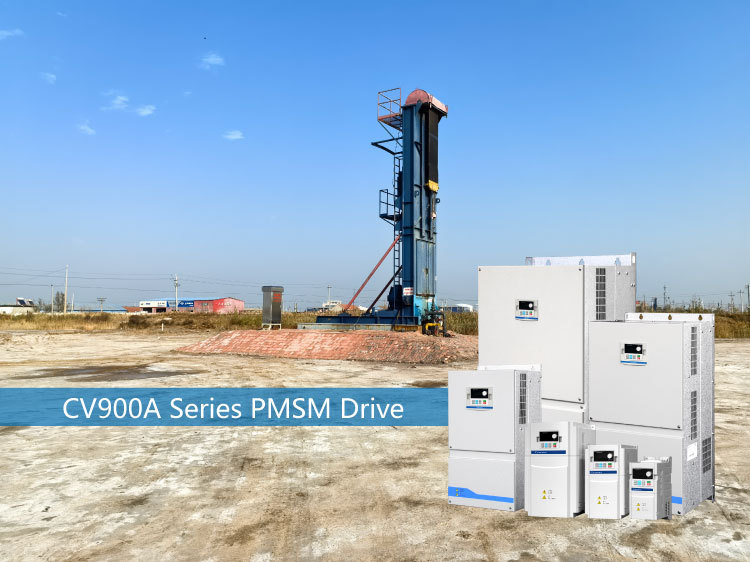
Picking the right drive can seem tricky. You do not have to guess. Selection tools make it easier and more exact. These tools help you match your vfd to your motor and job. You save time and avoid big mistakes.
Online Configurators
Many brands have online configurators. These tools help you step by step. You type in your motor details, load type, and power needs. The configurator shows the best drive for your project. Canroon’s online tool makes picking a drive simple. You can look at different models and see which one works for you.
Here is how to use an online configurator:
Visit the maker’s website.
Type in your motor’s voltage, horsepower, and full load amps.
Pick your job and load type.
Look at the drive choices it gives you.
Compare features and pick the best vfd for your system.
Tip: Always check your motor’s data before you start. This helps you get the right drive the first time.
Technical Consultation
Sometimes you need extra help. You can talk to technical experts for advice. Canroon has support to answer your questions. You can ask about special jobs, tough places, or advanced features. Experts help you pick a drive that works well and keeps your system safe.
You can also use maker resources to compare drives. Look at datasheets, manuals, and support guides. These help you learn about each drive’s strengths.
When you use these tools and support, you make smart choices. You get a vfd that fits your job and keeps your system running well.
Making the Final Choice
Comparing Specs and Price
You want to pick the best vector drive for your job. Start by looking at the main specifications. These details help you see which drive fits your motor and system. Use a table to compare the most important specs side by side.
You should compare the specs for each vector drive. Look at the price, but also think about how much efficiency you get and how long the drive will last. Sometimes a cheaper vfd costs more in repairs or energy. A good drive saves you money and trouble.
Tip: Make a list of your top needs. Use this list to check each drive and see which one matches your job best.
Requesting Demos
Before you buy, ask for a demo. Many brands let you test a vector drive in your system. You can see how the drive works with your motor and load. This helps you spot problems early and check if the drive fits your workspace.
Here are steps you can follow:
Contact the brand and ask for a demo unit.
Set up the drive with your motor and system.
Test the drive with your real job and load.
Watch how easy it is to use and program the vfd.
Ask questions about support and setup.
A demo lets you see the drive in action. You learn how it handles your job and if it gives you the efficiency you want. You also get to try the user interface and see if it is easy to use.
Note: Requesting a demo helps you make a smart choice. You avoid surprises and pick a vector drive that works for you.
You can find the best vector drive by using easy steps. Choose the control method that helps your system work better. This keeps everything running without problems. If you use clear rules to pick, you will feel sure about your choice. Companies did this and got more sales and safer places to work. You can use online tools to help you decide. You can also ask experts for help. If you want good support and strong vfd choices, contact Canroon and look at their products.
FAQ
What is a vector drive?
A vector drive controls motor speed and torque. You use it to make machines work better. It helps motors run smoothly and saves energy.
How do you know which vector drive fits your motor?
Check your motor’s nameplate. Match voltage, horsepower, and amps. Use online tools or ask experts for help. You get the best fit by following these steps.
Why should you choose a trusted brand like Canroon?
Trusted brands give you reliable products. You get strong support and fewer breakdowns. Canroon tests drives for tough jobs. You save time and money.
Can you install a vector drive yourself?
You can install a vector drive if you follow the manual. Make sure you connect wires safely. Ask for help if you feel unsure.
What happens if you pick the wrong size drive?
If you pick the wrong size, your motor can overheat or break. You lose efficiency and spend more on repairs. Always check the ratings before you buy.
Previous:
Next:
Sign up for updates