




A vfd for air compressors helps you change the compressor speed easily. You can make the air output match what you need right now. This saves energy and makes the system work better. Many companies pay 20–30% less for energy. Some save over 50% when they stop using fixed-speed compressors. There are also fewer problems with maintenance. The equipment lasts longer too. Canroon is a trusted company for vfd solutions. Think about how these changes could help your air system.
Key Takeaways
VFDs let air compressors change speed to match air needs. This saves energy and cuts costs. Using VFDs can make energy bills 20–35% lower. Some companies save as much as 70%. VFDs help machines last longer by reducing wear and tear. They also lower how much fixing is needed. VFDs control speed in real time. This keeps air pressure steady and makes the system work better. VFDs help the environment by using less energy. They also lower carbon emissions.
VFD for Air Compressors and Air Demand
How VFDs Adjust to Air Demand
You want your air compressor to work only as hard as needed. A vfd for air compressors helps you do this by adjusting the motor speed to match air demand. Sensors watch the pressure and flow in your system. When air demand drops, the vfd slows the motor. This saves energy and reduces wear on your equipment. When air demand rises, the vfd speeds up the motor to keep up.
A vfd compressor automates motor speed changes based on air demand.
It uses sensors to check air conditions and adjusts output.
When air demand goes down, the motor slows, using less energy.
When air demand goes up, the motor speeds up to meet the need.
You get steady air pressure and better control. The vfd air compressor keeps the pressure band tight, usually within +/- 1.5 PSIG. This means your tools and machines get the right amount of air at the right time. You do not waste energy making more air than you need.
Tip: Using a vfd for air compressors can cut energy use by about 33%. This means you pay less for power and help the environment.
Real-Time Speed Control
A vfd gives you real-time speed control. You do not need to stop and change settings by hand. The system checks compressed air demand and makes changes right away. This keeps your air supply steady, even when your needs change fast.
Here is how a vfd air compressor responds to changing air demand:
Measure Initial Airflow: The system records how much air is moving.
Check the VFD Setting: The display shows the current speed.
Determine Needed Airflow: The system looks at what your machines need.
Adjust the VFD: The vfd changes the motor speed to match air demand.
Verify Performance: The system checks that everything matches your needs.
This process happens all the time. You do not have to worry about sudden drops or spikes in pressure. The vfd keeps your system stable. It also helps your equipment last longer because it avoids hard starts and stops.
You can see these benefits in many industries. A vfd for air compressors helps you match compressed air demand in factories, workshops, and large buildings. You get better air quality, lower costs, and a more reliable system.
What Is a Variable Frequency Drive?
VFD Basics in Air Compressors
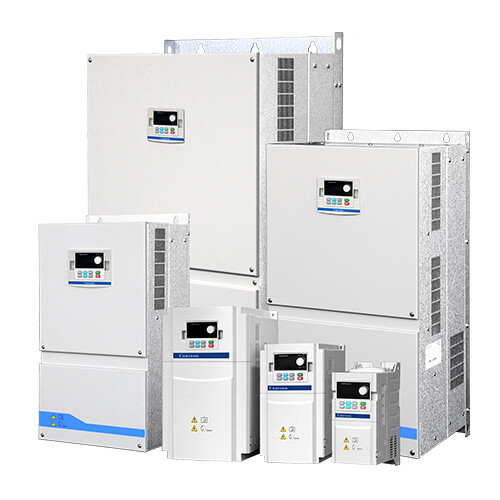
You might ask how a variable frequency drive works in your air compressor. This device controls how fast the electric motor runs. It does this by changing the frequency and voltage of the power. When you use a variable frequency drive, you can make your compressor go faster or slower. This depends on how much air you need. It helps you save energy when you do not need much air.
A variable frequency drive has three main parts. First, the rectifier changes AC power into DC power. Next, the capacitors make the DC power steady. Last, the inverter turns the DC power back into AC power. Now, it can change the frequency. This lets you control the motor speed very well.
A variable frequency drive controls how fast the motor goes.
It changes the frequency of the power sent to the motor.
It also changes the voltage, which helps the motor work better.
Note: Changing both frequency and voltage keeps your compressor working well. This is important for making your compressed air system reliable and saving money.
Integration with Compressor Systems
When you add a variable frequency drive to your compressed air systems, you must think about how it fits with your setup. Some new VFD compressors work alone. This can make it hard to connect them to old master controls. If your system uses both fixed-speed and VFD compressors, you must check if the VFD can slow down enough. If not, both types of compressors might run at the same time. This can waste energy and make your system less efficient.
You want your compressed air system to work well. Always check if your VFD compressor matches your other equipment. If you plan carefully, you can get better control, lower costs, and a more reliable air supply.
Energy Efficiency and Cost Savings
Reducing Power Consumption
When you use a vfd for air compressors, you save a lot of energy. The vfd changes the motor speed to match how much air you need. This stops you from wasting power when you do not need much air. If you slow the motor by 20%, you can save up to half your energy. Many factories see their energy use go down by 20–35% after they start using a vfd air compressor. Some places even save as much as 70%. These savings happen because the vfd makes quick changes, so your system never uses extra energy.
Vfd air compressor systems often save 20–30% energy.
Some companies cut their energy use by 50% or more.
Vfd technology works best where air demand changes a lot.
Lowering Operational Costs
You will save money in more ways than just your energy bill. A vfd for air compressors lets your system start gently, which is called a soft start. This gentle start means the motor does not wear out as fast. Your equipment lasts longer and needs less fixing. You will not have to repair things as often. Many companies save over $17,000 every year by using vfd air compressor systems. Some places cut their energy bills almost in half, so they get their money back quickly. Utility companies might give you rebates, so switching costs less.
Vfd systems lower stress on machines, so you change parts less.
Fewer breakdowns mean you pay less for repairs and work better.
Most companies get their money back in just 2–5 years.
Environmental Impact
Using a vfd helps you use less energy, which is good for the environment. When you use less energy, you make less carbon pollution. Many businesses use vfd technology to follow strict rules and help the planet. Vfd air compressor systems help you meet standards like MEPS and the Ecodesign Directive. By saving energy, you help protect nature and show you care about being green.
Canroon is a company that gives energy-saving vfd solutions. You can trust them to help you save money and help the environment.
Practical Applications and Considerations
Best-Use Scenarios
A vfd can help many industries make air compressors work better. A vsd compressor is best when air demand changes a lot. Factories, workshops, and food plants get big benefits from this. You save the most energy when your system runs at 30% to 70% capacity. This range helps your equipment last longer and saves money.
Here is a table that lists common situations and vfd benefits:
Sometimes, you can save up to 50% on energy. Many places with changing needs use a vsd compressor for better control and lower bills. Canroon has helped many factories switch to vsd technology. These companies now have steady air pressure and pay less for power.
The CAGI Performance Verification Program checks if companies give true data. It uses ISO 1217 and ISO 7183 rules. This helps you trust your vsd compressor and build a better system.
Limitations and System Compatibility
Not all air compressors work well with a vfd. You must check your system before adding vsd technology. Rotary screw compressors work best with a vfd. You can often add a vfd to these machines. Reciprocating compressors need a special vfd size because they start hard. Centrifugal compressors also need careful sizing.
Here is a table to help you pick the right vfd:
You should also think about these things:
The highest pressure you need
Total air flow (CFM)
How often your system runs
Maintenance needs
Safety features
Room to grow later
A vsd compressor pays for itself fast. Many companies get their money back in 18 to 30 months. You spend less on power and repairs. Canroon can help you choose the best vsd air compressor for your needs.
You can use a vfd for air compressors to match speed to air demand. This gives you energy savings, lower costs, and better system performance. Canroon offers expert solutions to help you get these benefits. Before you add a VFD, check your compressor type and system needs. For example, centrifugal compressors may not work well with VFDs. You should also know these facts:
Belt drives are not always more efficient than direct drives.
Direct-drive systems are quieter than old belt drives.
Belt drives still work well for some uses.
Direct-drive systems can adjust speed with a VFD.
Contact Canroon to see how you can improve your air system.
FAQ
What is a VFD and how does it work with air compressors?
A VFD, or Variable Frequency Drive, changes the speed of your compressor’s motor. You get the right amount of air for your needs. This saves energy and reduces wear.
Can you add a VFD to any air compressor?
You can add a VFD to many rotary screw compressors. Some reciprocating and centrifugal compressors need special sizing. Always check your compressor type before adding a VFD.
How much money can you save with a VFD?
You can save 20–35% on energy bills. Some companies save up to 70%. Most users get their investment back in 2–5 years.
Does a VFD help the environment?
You help the planet by using less energy and lowering emissions.
Sign up for updates